Clubroot: swollen roots on cabbage and its relatives
Clubroot is a soil disease of cabbage, broccoli, kale, turnips and their relatives that turns the roots into swollen, knobbly lumps. Plants above ground wilt and stay small because the damaged roots can't take up enough water. Its spores last for many years in the soil, so the aim is to keep it from spreading and to grow around it.
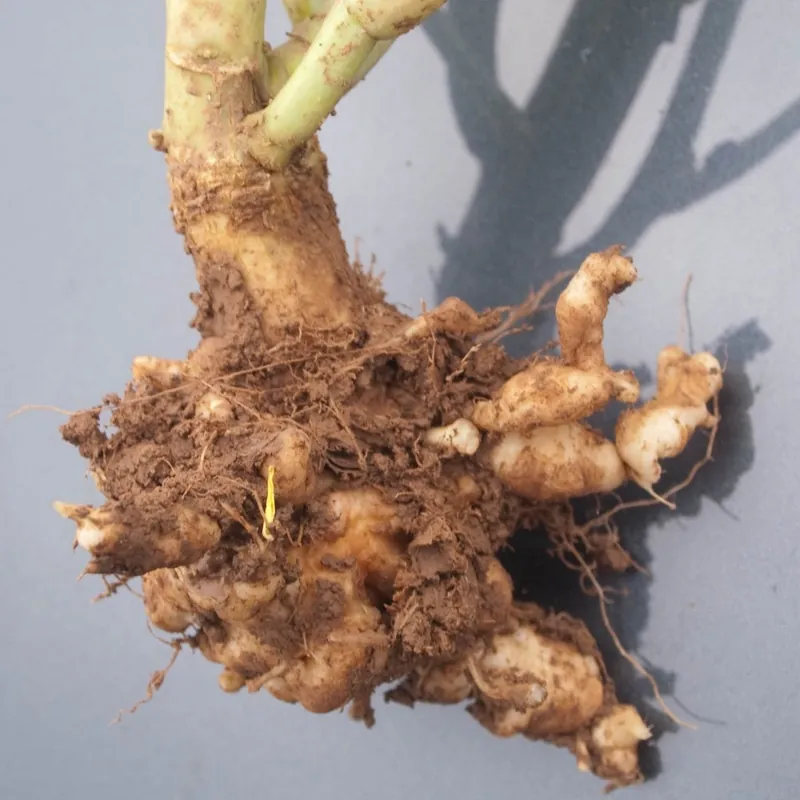
Short answer: Clubroot is a soil-borne disease that makes the roots of brassicas swell into clubs and galls. The first sign is usually plants that wilt on warm days and perk up in the evening, then stay stunted. Pull one up: swollen, distorted roots confirm it. Lift and throw out affected plants with their roots, then lime acid soil and improve drainage.
What it looks like
- Swollen, knobbly or club-shaped roots, with few of the fine feeding roots left
- Plants that wilt on warm, sunny days and recover in the cool of the evening
- Stunted plants that never size up, while neighbors in other beds grow normally
- Yellowing or purplish leaves on plants that otherwise get the same care as healthy ones
- Small heads of cabbage or broccoli and poor yields, with badly hit plants dying
- Trouble that returns in the same bed year after year
Is it clubroot or something else?
| Could also be | How to tell |
|---|---|
| Root-knot nematodes | Nematodes leave small, bead-like knots scattered along the roots and are more common in warm, sandy soil. Clubroot swellings are larger, smoother and often spindle-shaped, and they take over the main root. Digging up the roots is the only reliable way to tell. |
| Fusarium wilt | Fusarium often yellows leaves on one side of the plant first and leaves brown streaks inside the stem. The roots stay normal in shape, with no galls. |
| Underwatering | Thirsty plants wilt too, but they recover fully after a good drink and the roots look normal. Clubroot plants wilt again on the next warm day even when the soil is moist. |
Why it happens
Clubroot is caused by a soil-dwelling organism, Plasmodiophora brassicae, that infects only plants in the cabbage family. It enters through root hairs and makes the root swell. As the swollen roots rot, they release huge numbers of resting spores back into the soil, where they can survive for up to 20 years.
It thrives in moist, warm soil and is worst in acid ground that drains poorly. Most new infections happen from midsummer to late fall. Raising the soil pH above neutral cuts the disease down, though it doesn't get rid of it.
The spores don't travel far on their own. They move in soil on boots, tools and wheelbarrow tires, and in the roots of transplants, including seedlings given by a friend whose garden has it. Mustard-family weeds such as shepherd's purse and wild radish can carry it between crops.
How to fix it
- Lift affected plants with their roots. Dig out the plants rather than pulling them, so the swollen roots come up whole. Put them in the trash, not the compost, since rotting galls release more spores into the soil.
- Lime acid soil and improve drainage. Test the soil pH and, if it is acid, add garden lime to bring it up to slightly alkaline, around pH 7.2, then retest in later years. Raised beds or added organic matter help wet ground drain.
- Raise plants in pots before planting out. Grow brassica seedlings in clean potting mix in pots at least 3½ inches across until they are bigger than you would normally plant. A strong root system copes far better with infected soil.
- Grow resistant varieties in beds that had it. Look for cabbage, Brussels sprouts and other brassicas sold as clubroot resistant. Keep up the liming and drainage, since resistance can be overcome where spore levels are very high.
- Clean boots and tools. Knock soil off tools, boots and wheelbarrows before you leave an infected bed. Work in clean beds first and the infected one last.
Watch out: There's no cure, and spores travel on boots, tools and roots. Never bring in cabbage-family plants or soil from a garden that has clubroot.
How to prevent it
- Buy brassica transplants only from a source you trust, or grow your own from seed in clean potting mix
- Keep soil around neutral or slightly alkaline where you grow brassicas, and test it every few years
- Rotate cabbage-family crops so they don't grow in the same bed year after year
- Pull mustard-family weeds such as shepherd's purse and wild radish
- Clear brassica roots and debris from the bed at the end of the season
Plants it often affects
- Cabbage wilts on sunny afternoons and forms small or no heads
- Brussels sprouts tall plants stay short and sprouts are few and loose
- Turnip galls form on the roots alongside the swollen root you eat
- Radish roots come up misshapen and knobbly
- Arugula a cabbage-family salad crop, stunted and quick to wilt in infected beds
- Wallflower ornamental relative that can carry it and gets the same swollen roots
Questions people ask
Can I eat vegetables from plants with clubroot?
Yes, the disease doesn't make the leaves, heads or roots unsafe to eat. Cut away the swollen parts of turnips and radishes. Yields are usually poor, though, and the roots should go in the trash.
How long does clubroot stay in the soil?
The resting spores can survive in soil for up to 20 years. Liming, good drainage, strong transplants and resistant varieties let you keep growing brassicas there, but the bed should be treated as infected from then on.
Does lime cure clubroot?
No. Raising the pH to slightly alkaline makes it much harder for the spores to infect, so plants suffer less. It works best together with good drainage and resistant varieties, and it won't stop an outbreak where the soil is full of spores.

Not sure it's clubroot?
Take a photo in Liana and the health check names the problem and tells you what to do first. Liana also reminds you to check the soil, so watering mistakes don't start. Get Liana for iPhone.