 Liana
Home / Plant problems
Plant problems, named and fixed
The problems houseplants and garden plants run into most: what each one looks like, how to tell it from the look-alikes, and what to do first.
Find it by what you see
Watering and roots
-
Watering
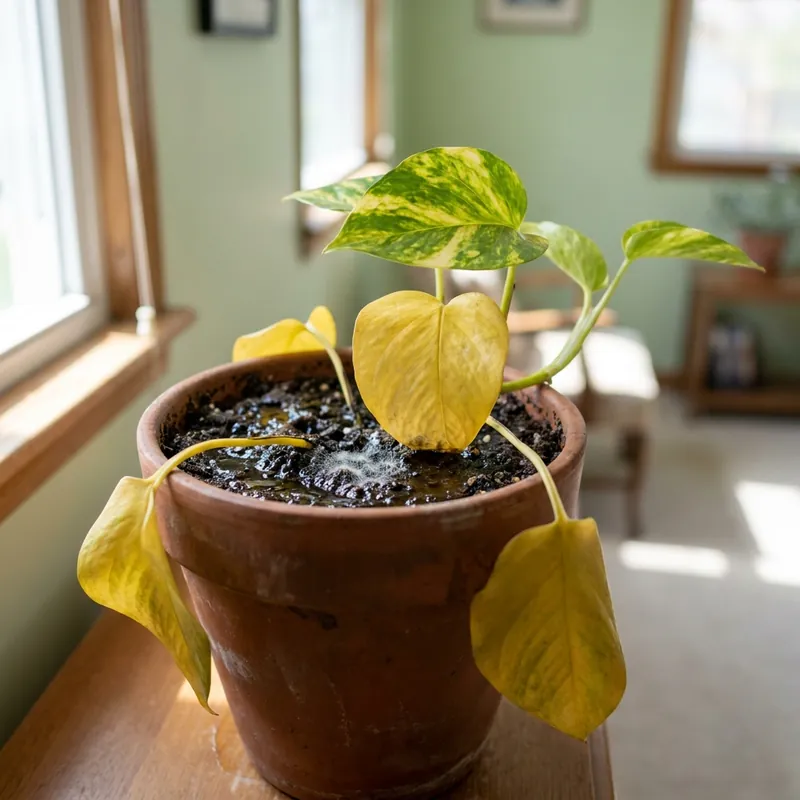
Overwatering
The most common way houseplants die. Roots sitting in wet soil can't take up oxygen, so they drown and rot, and the plant wilts exactly as if it were thirsty.
-
Watering
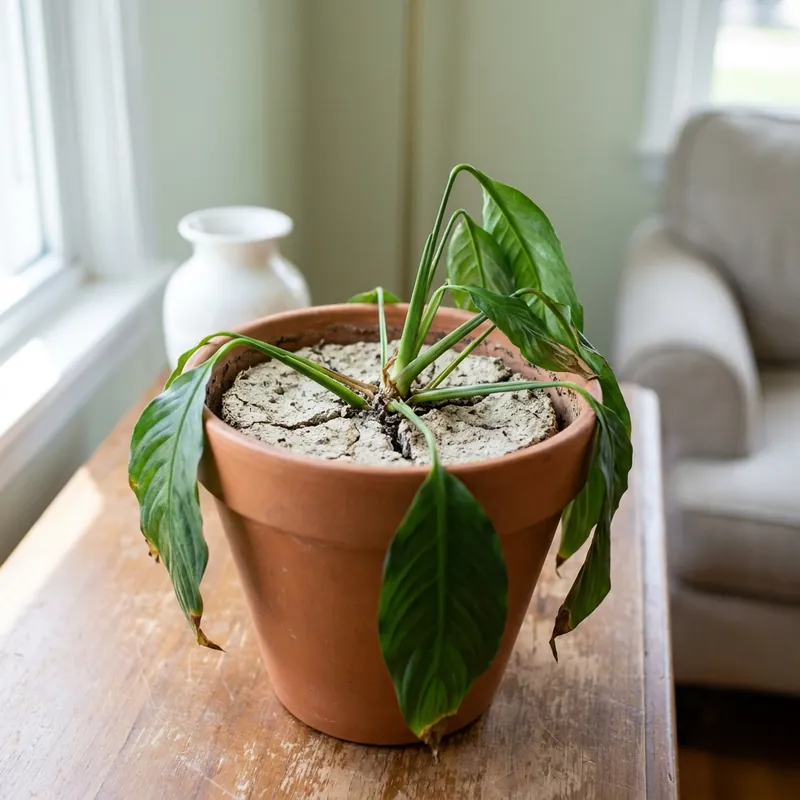
Underwatering
Soil has pulled away from the pot edges and leaves have gone limp or papery. Easier to fix than overwatering, and far less often the real cause.
-
Fungus
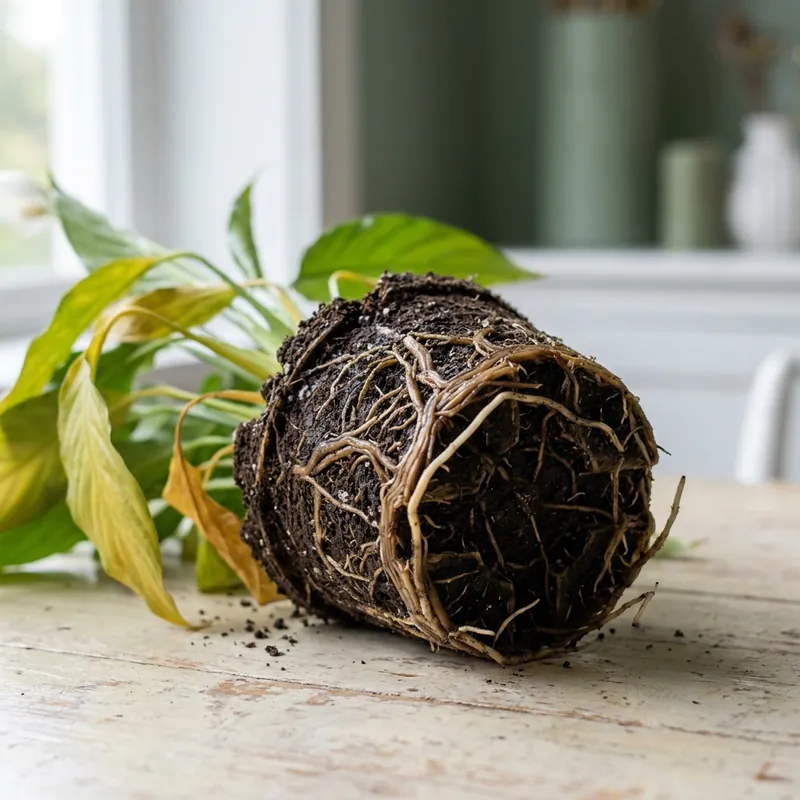
Root rot
Fungal infection that follows prolonged wet soil. Black, soft roots and a sour smell from the pot.
-
Growing conditions
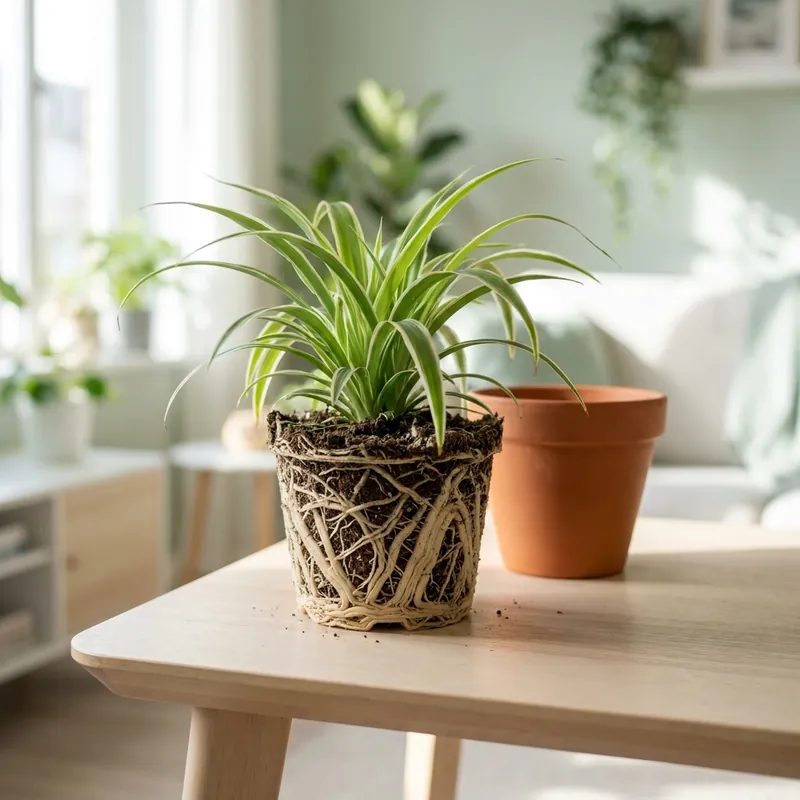
Root bound
Roots circling the pot, growing out of drainage holes, and water running straight through without soaking in.
-
Growing conditions
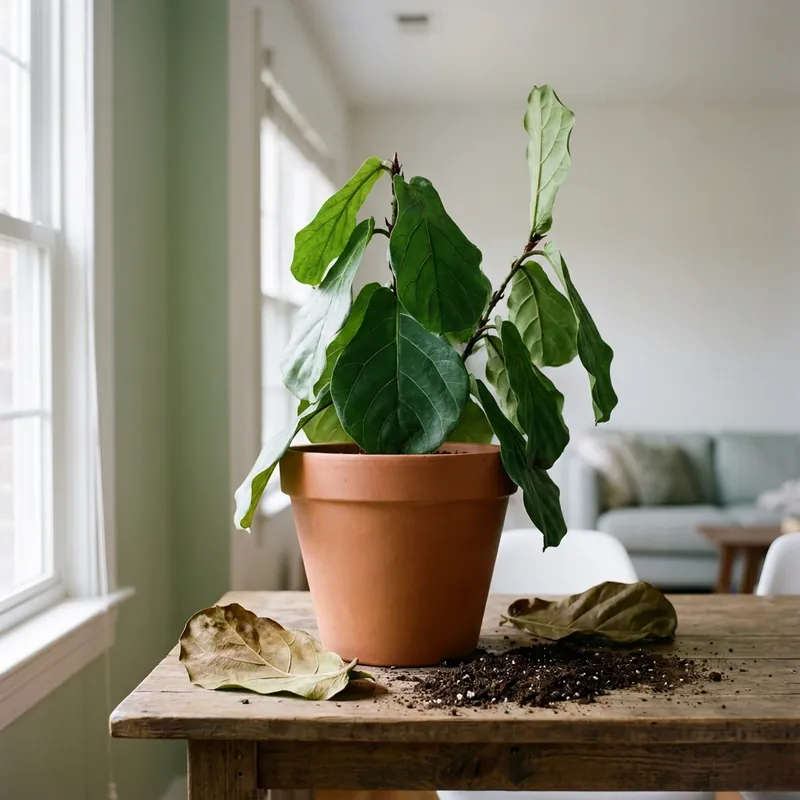
Transplant shock
Wilting and leaf drop in the days after repotting, as disturbed roots struggle to supply the leaves.
-
Fungus
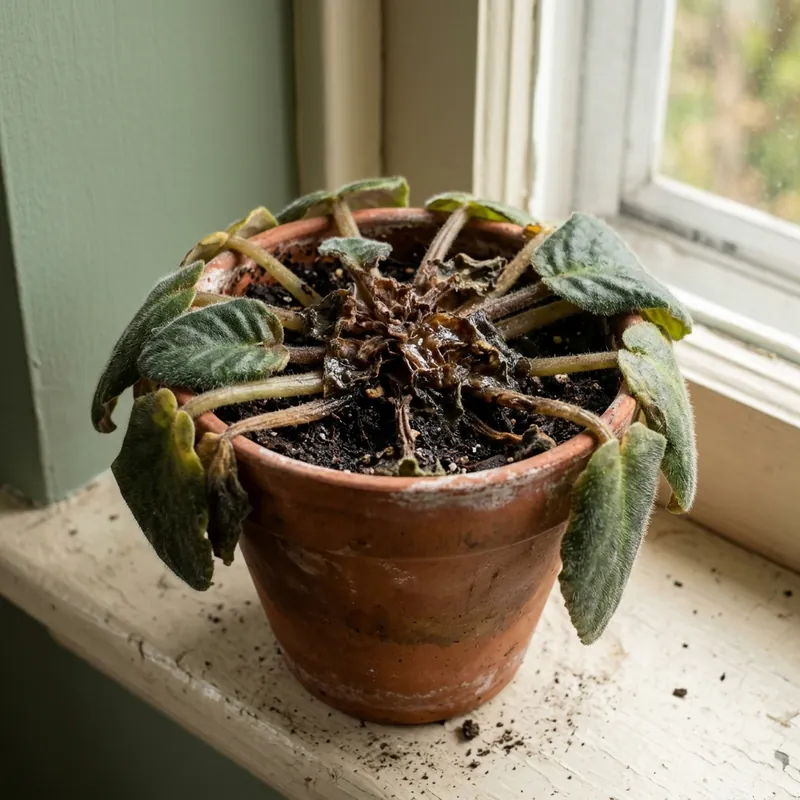
Crown rot
The base of the plant, where stems meet the soil, turns soft, brown and mushy, and the plant wilts or falls over. Common in African violets, succulents and peace lilies.
-
Growing conditions
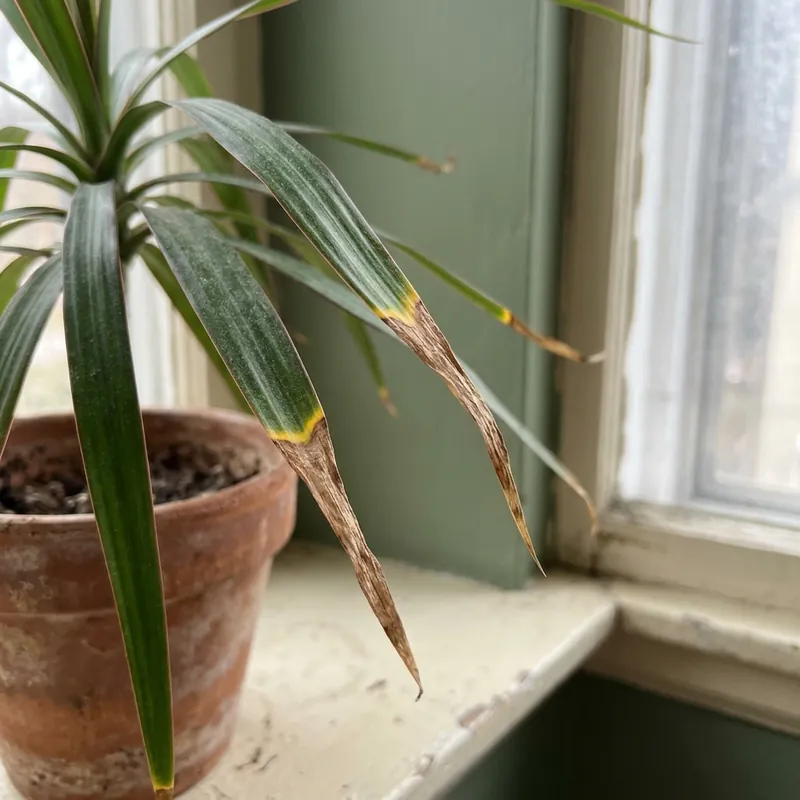
Tap water damage
Brown tips and edges, often with a yellow band, on dracaenas, spider plants, calatheas and prayer plants. They react to fluoride, chlorine and salts in tap water, which build up in the pot.
Pests on houseplants
-
Pest
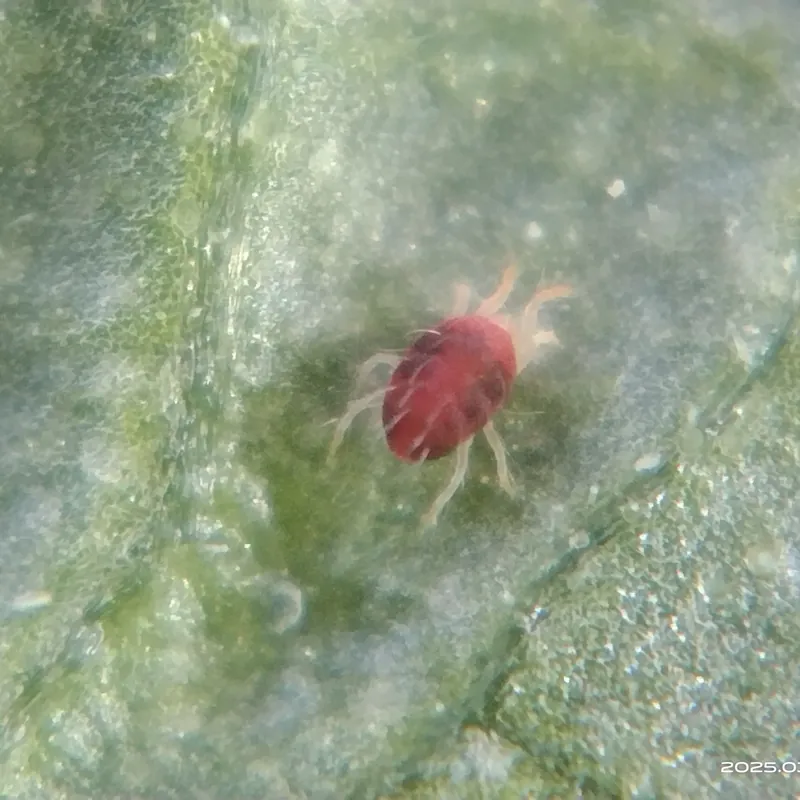
Spider mites
Tiny mites on leaf undersides, leaving fine webbing and a stippled, dusty look. They thrive in dry indoor air.
-
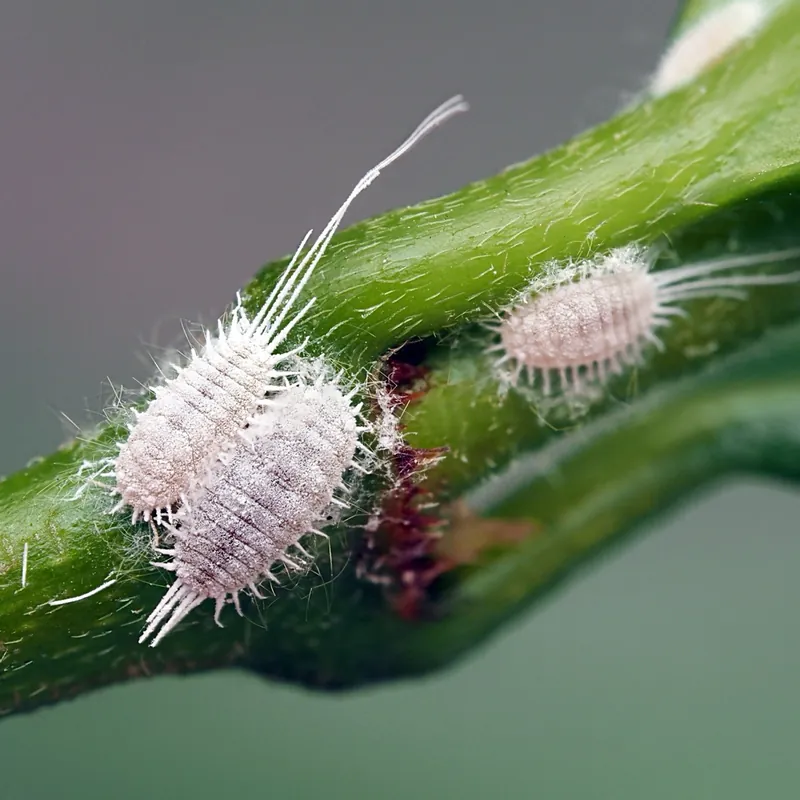
Pest
Mealybugs
White cottony clumps in leaf joints and along stems. They feed on sap and leave a sticky residue.
-
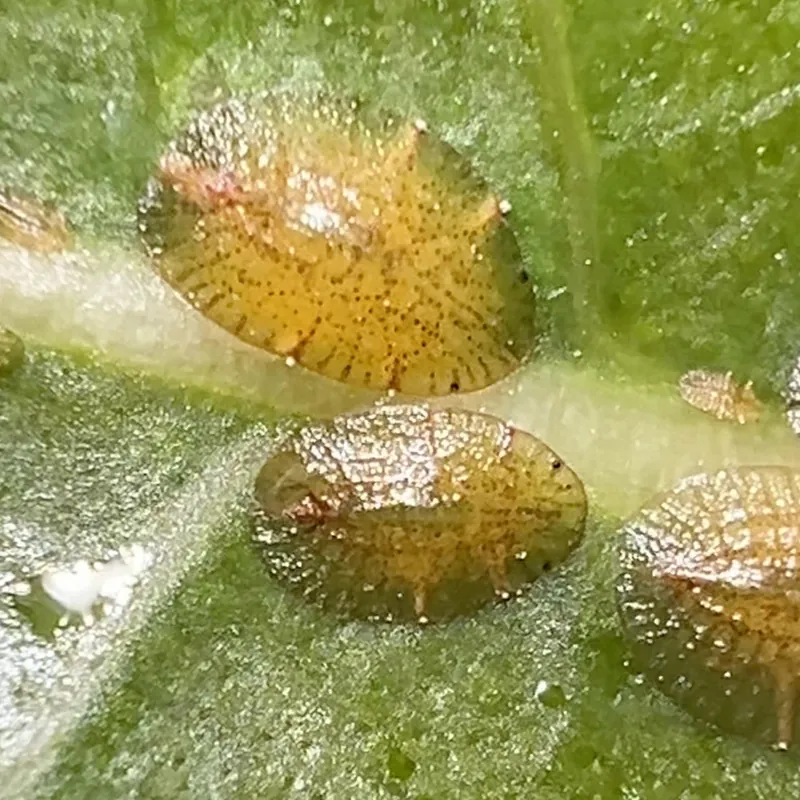
Pest
Scale insects
Small brown bumps along stems and leaf veins that don't brush off. Often mistaken for part of the plant.
-
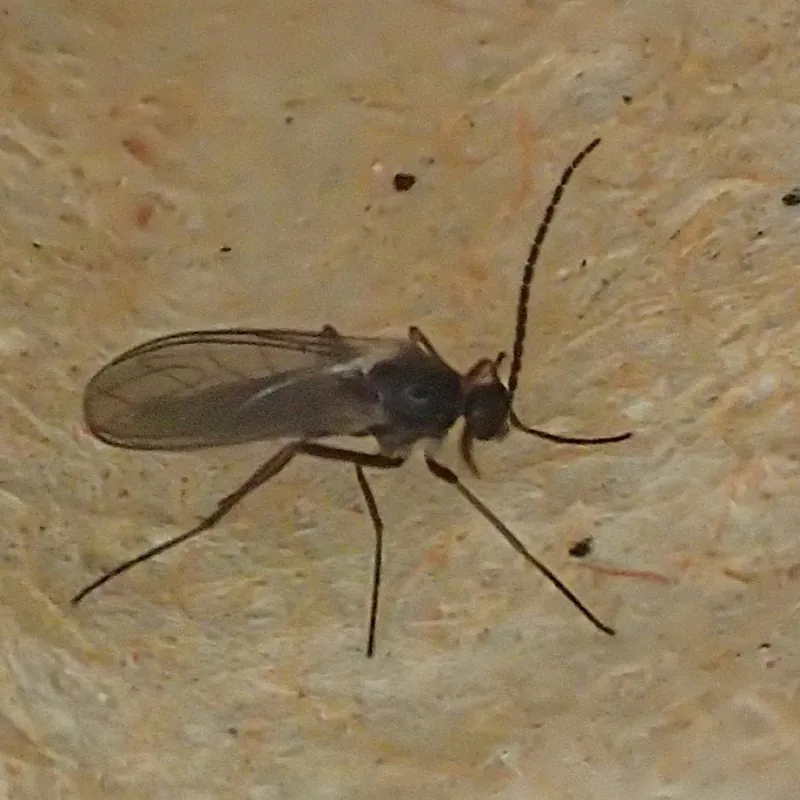
Pest
Fungus gnats
Small black flies around the soil surface. The adults are harmless; the larvae feed on roots and signal soil that stays too wet.
-
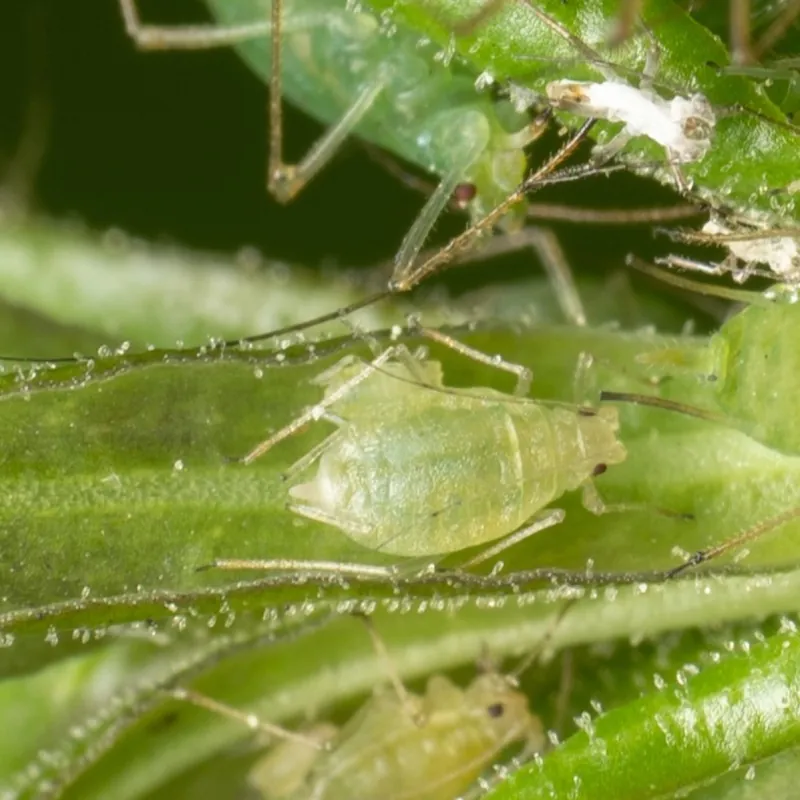
Pest
Aphids
Clusters of small green, black or pink insects on new growth and flower buds, causing curled, distorted leaves.
-
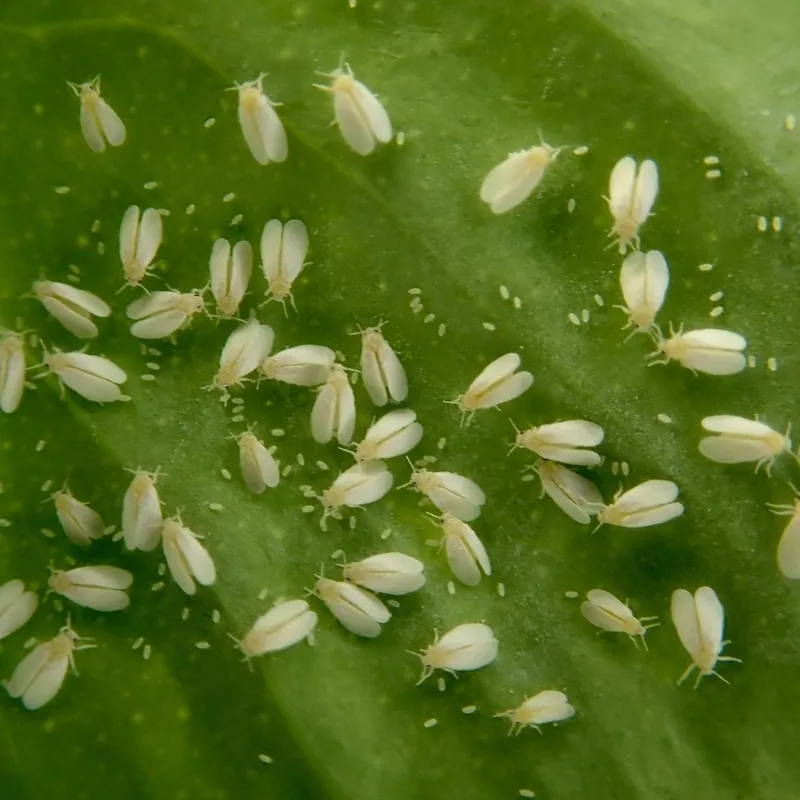
Pest
Whitefly
Tiny white moth-like insects that fly up in a cloud when you brush the plant. They suck sap from leaf undersides and leave sticky honeydew.
-
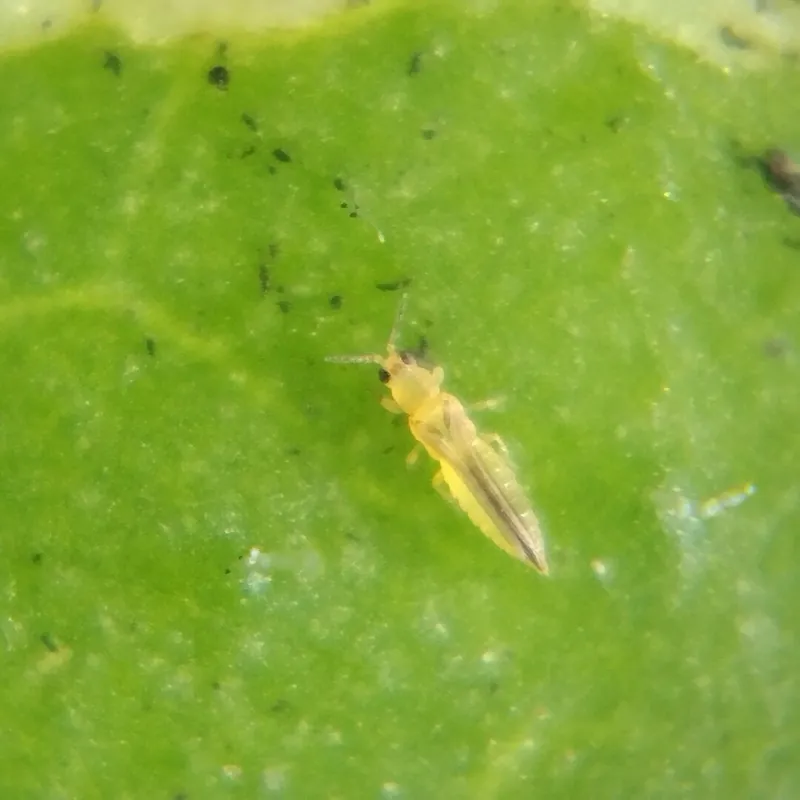
Pest
Thrips
Tiny slender insects that rasp the leaf surface, leaving silvery streaks dotted with black droppings. Flowers can open marked or distorted.
-
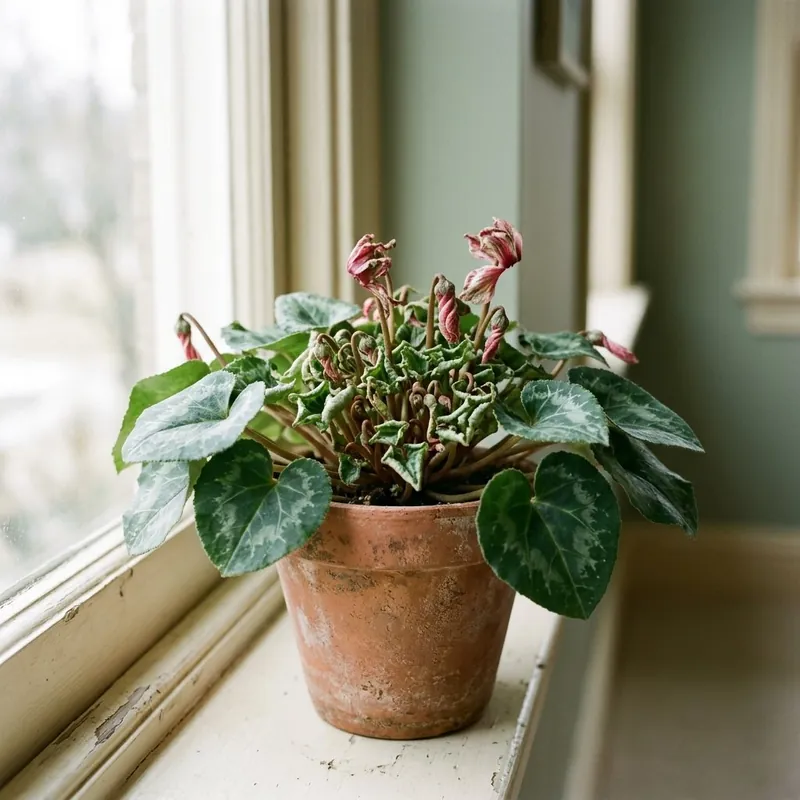
Pest
Cyclamen mites
Mites too small to see feed in buds and new growth, leaving small twisted, brittle leaves and flowers that stay closed or come out streaked.
-
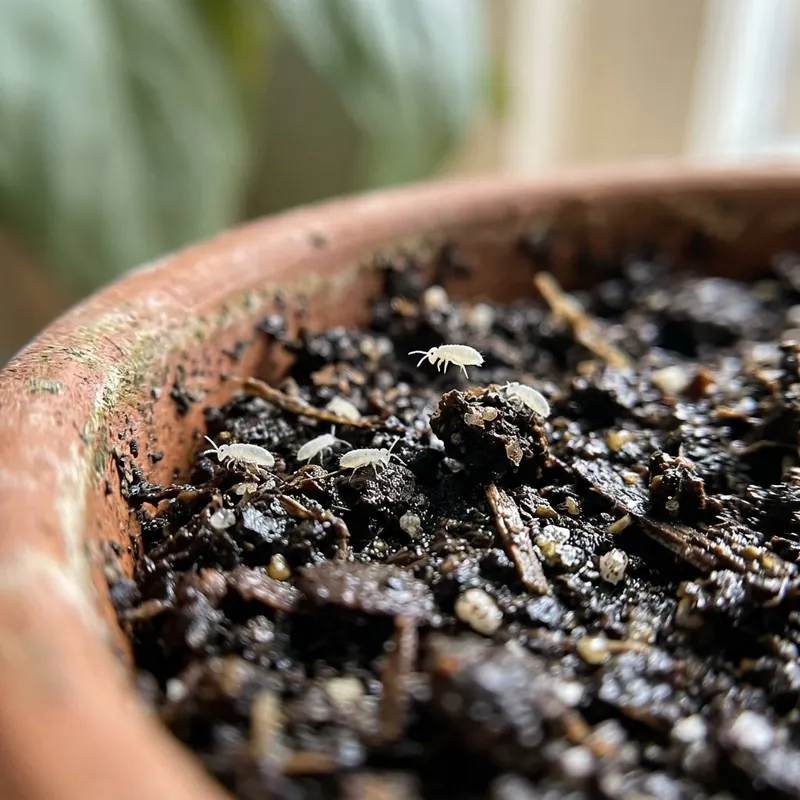
Pest
Springtails
Tiny white or gray insects that jump when you water, seen on the soil surface or in the saucer. They eat mold and decaying matter and rarely harm plants.
-
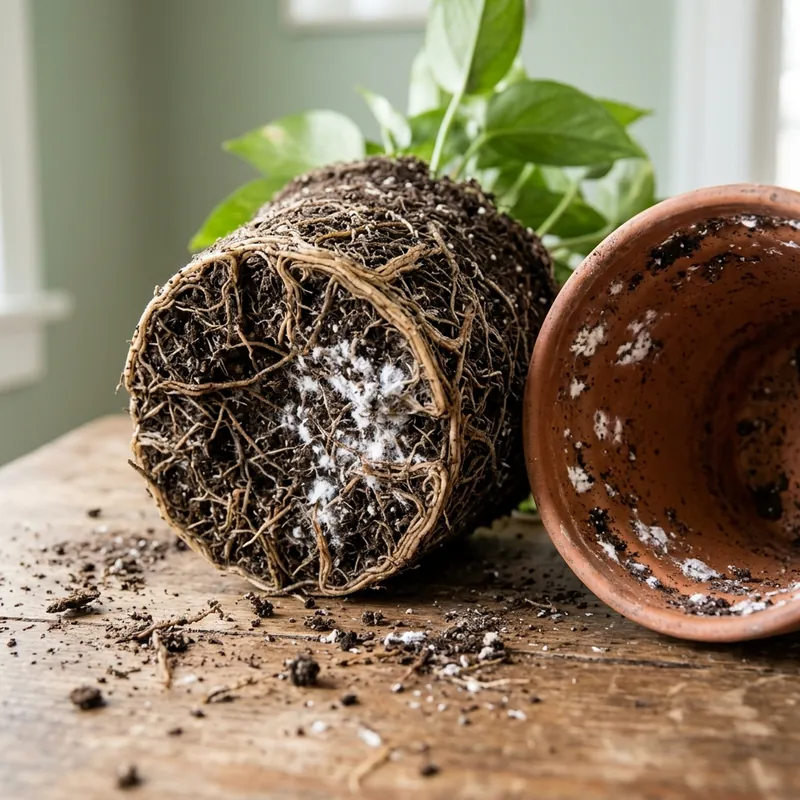
Pest
Root mealybugs
Small white insects that feed on roots, seen as cottony white patches on the root ball and inside the pot rim. Plants slowly stall, yellow and wilt in moist soil.
-
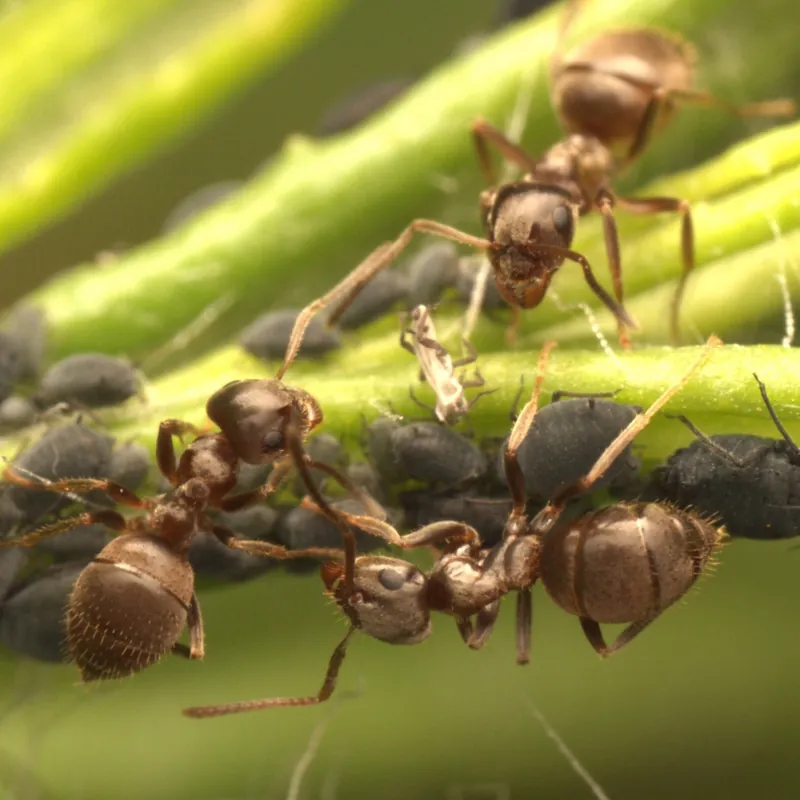
Pest
Ants
Ants rarely harm plants themselves. Ants on stems usually mean aphids, scale or mealybugs, which they guard for honeydew, and in dry pots they may nest among the roots.
Garden pests
-
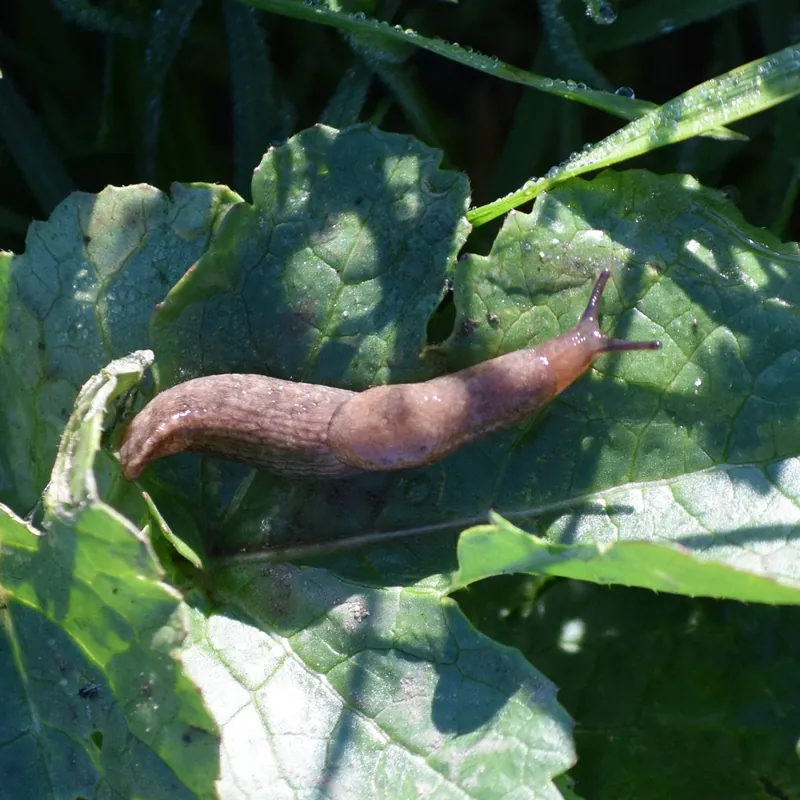
Pest
Slugs and snails
Ragged holes in leaves, seedlings eaten off at soil level and silvery slime trails. They feed at night and after rain, and love strawberries.
-
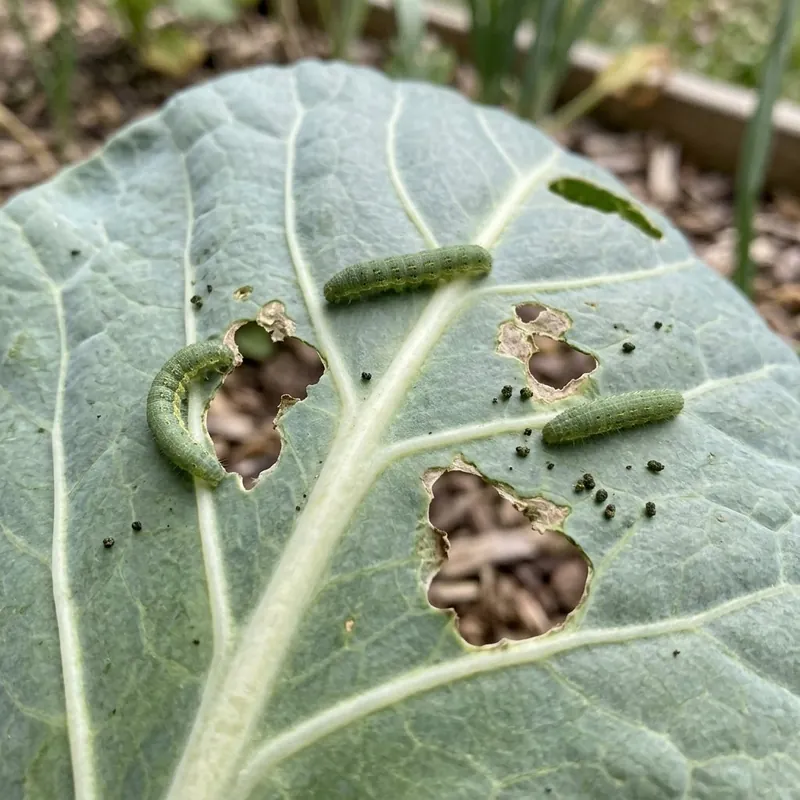
Pest
Caterpillars
Large ragged holes in leaves, often with dark droppings below. Cabbage whites, moths and box tree caterpillars can strip a plant in days.
-
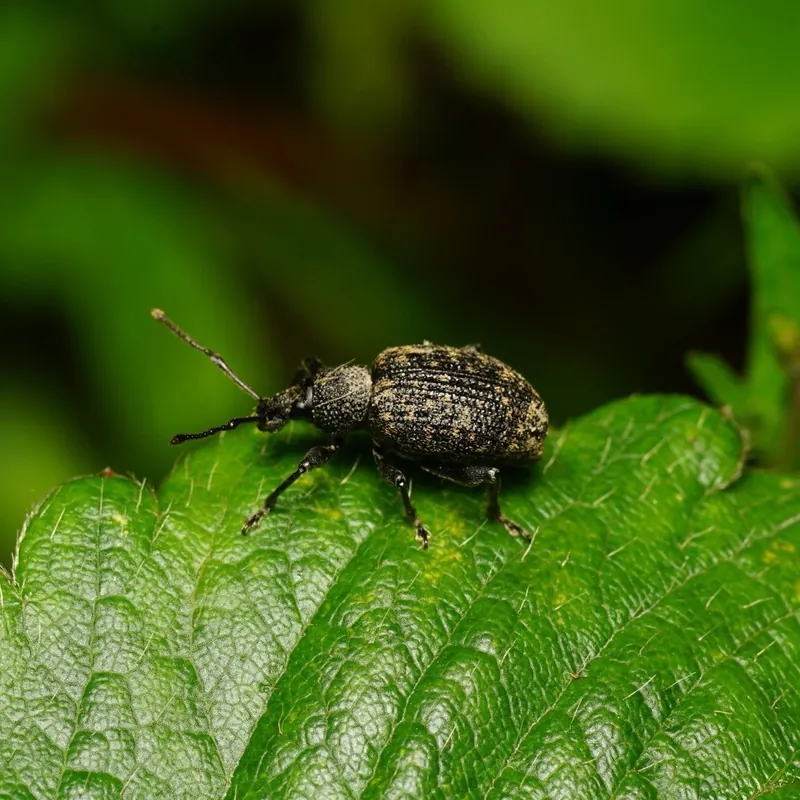
Pest
Black vine weevil
Adults chew notches around leaf edges at night. The worse damage is underground, where cream C-shaped grubs eat the roots until potted plants suddenly collapse.
-
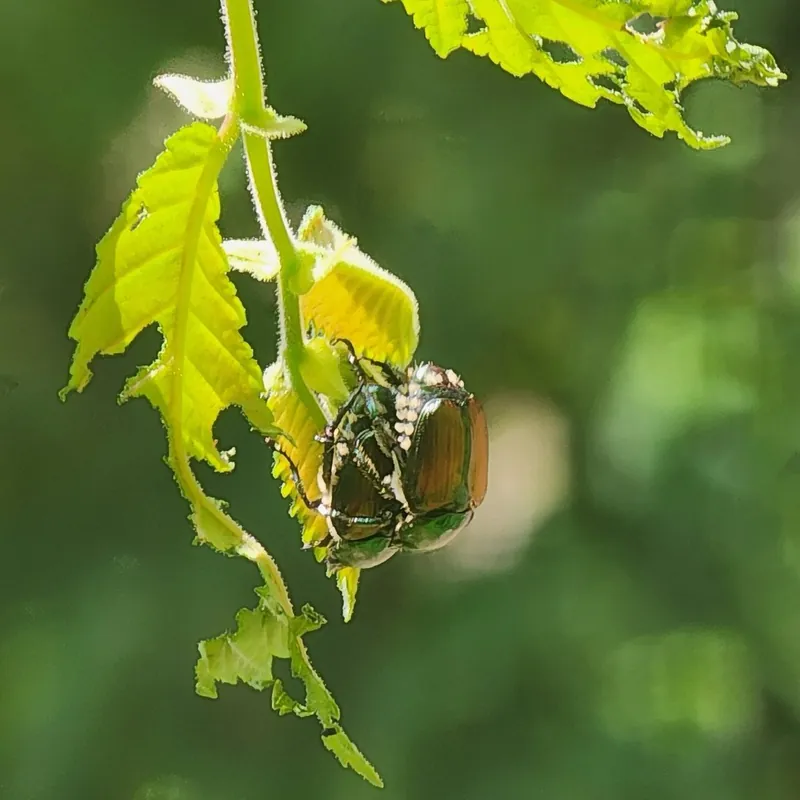
Pest
Japanese beetles
Metallic green and copper beetles that chew leaves down to a lacy skeleton and eat roses and other flowers in early summer.
-
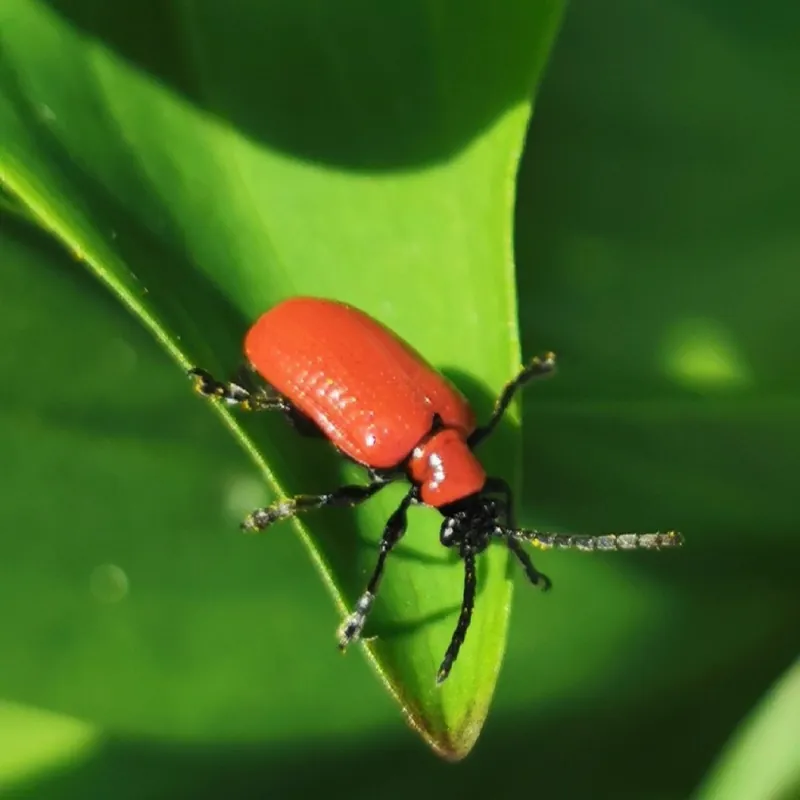
Pest
Red lily leaf beetle
Bright scarlet beetles on lilies and fritillaries, with orange larvae hidden under their own black droppings. Both strip leaves and flowers fast.
-
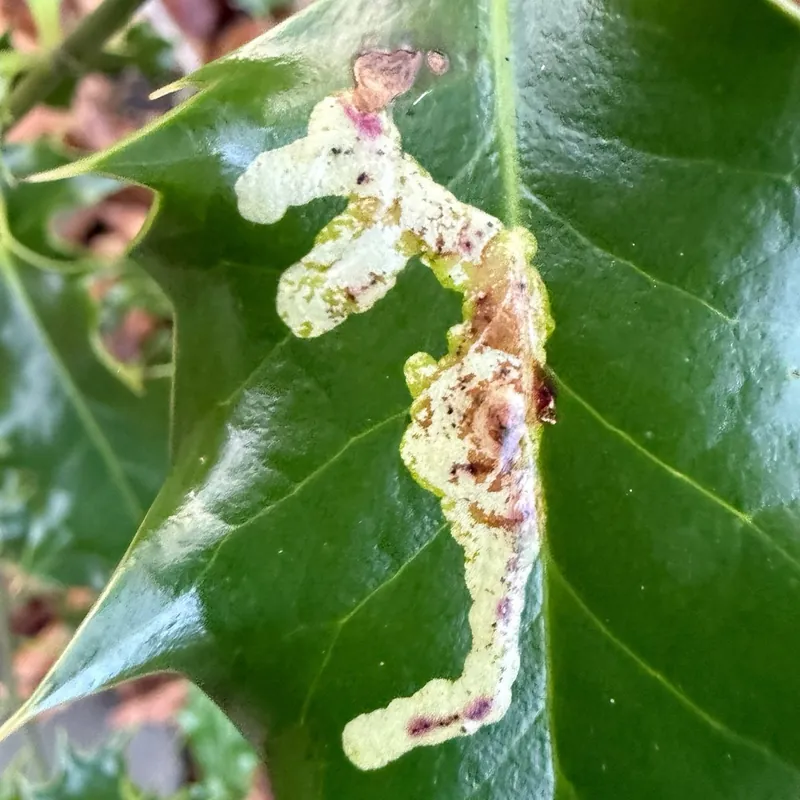
Pest
Leaf miners
Pale winding trails or blotches inside the leaves, made by tiny larvae feeding between the leaf surfaces. Usually only cosmetic on established plants.
-
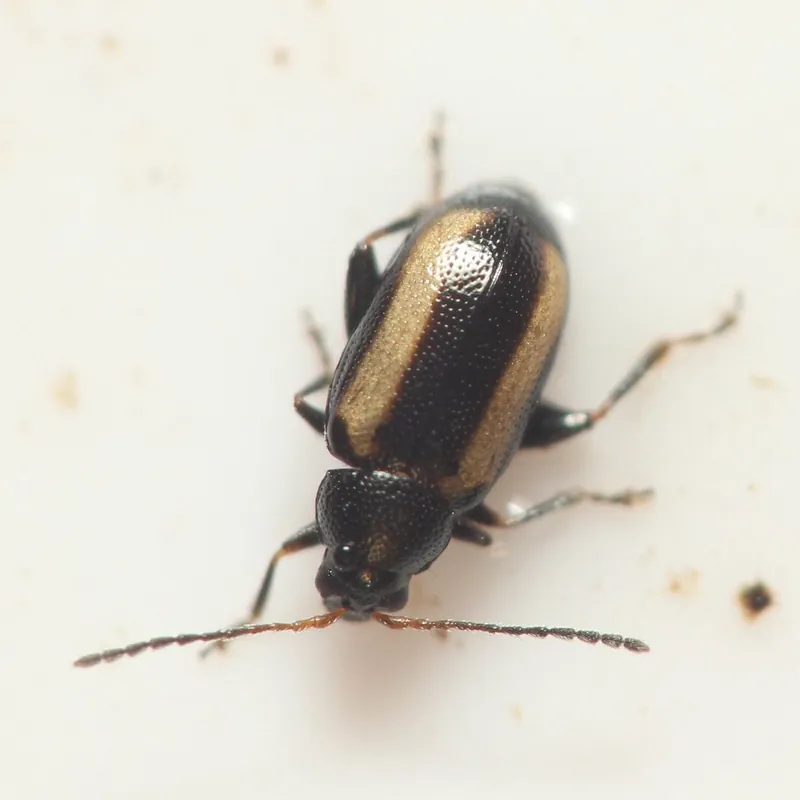
Pest
Flea beetles
Many tiny round holes in the leaves of cabbages, radishes, rocket and other seedlings. The small shiny beetles jump like fleas when disturbed.
-
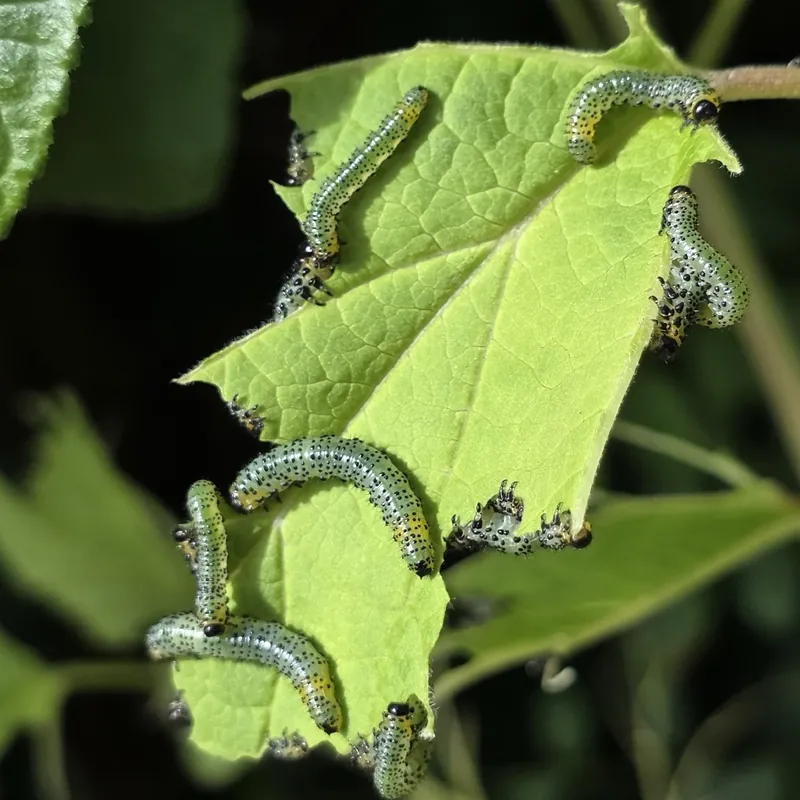
Pest
Sawfly larvae
Caterpillar-like larvae that strip gooseberries, roses and Solomon's seal, often feeding in groups from the center of the bush outward. A plant can be bare in days.
-
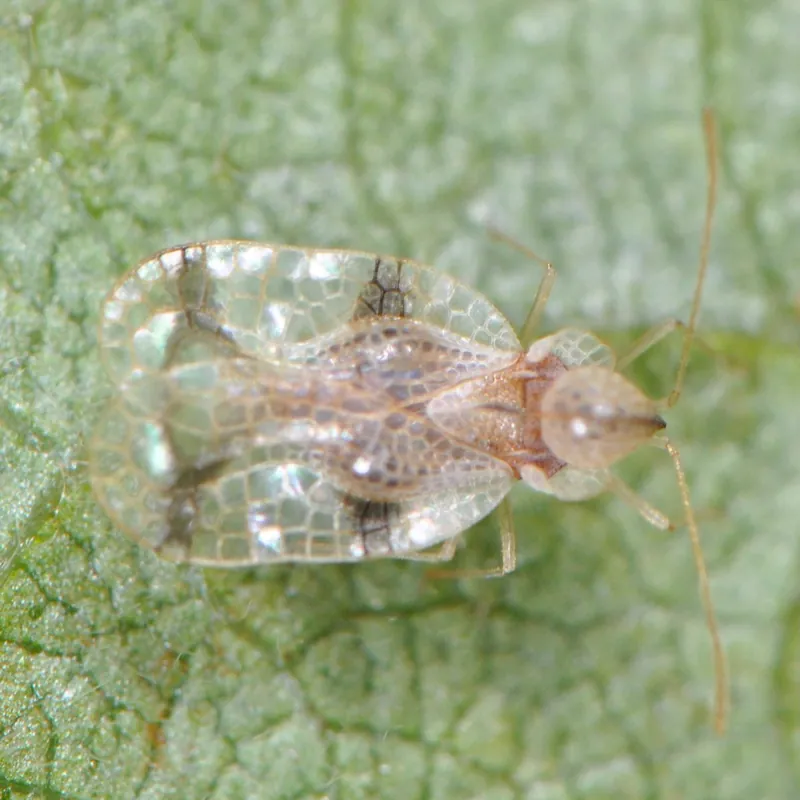
Pest
Lace bugs
Small flat bugs with lacy wings on leaf undersides. Leaves turn mottled pale above, with dark tarry spots of droppings below. Rhododendron and pieris suffer most.
-
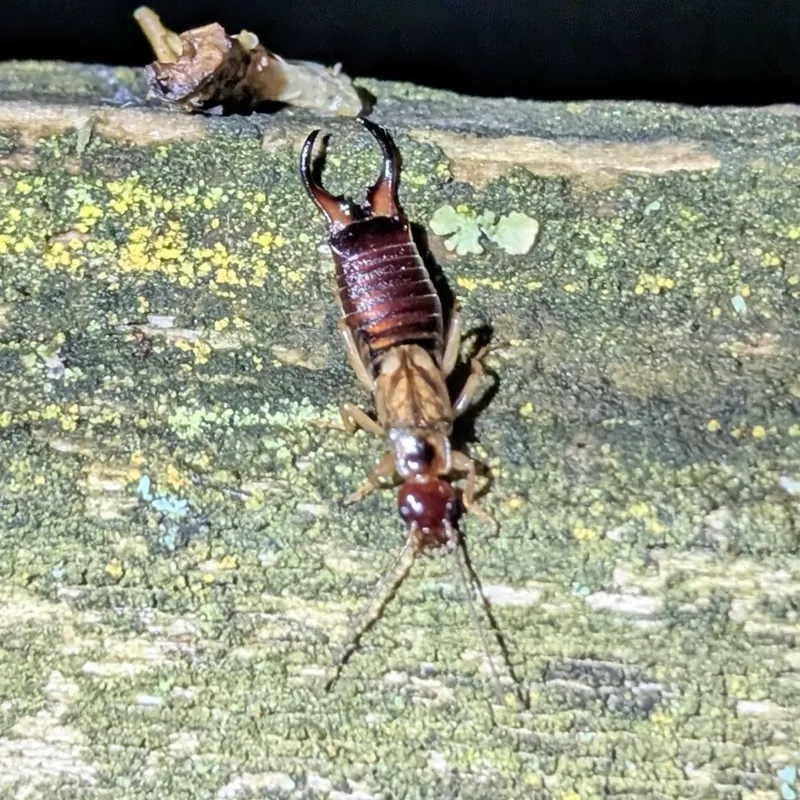
Pest
Earwigs
Ragged holes in petals and young leaves, especially on dahlias, chrysanthemums and clematis. Earwigs feed at night and also eat aphids, so they do some good.
-
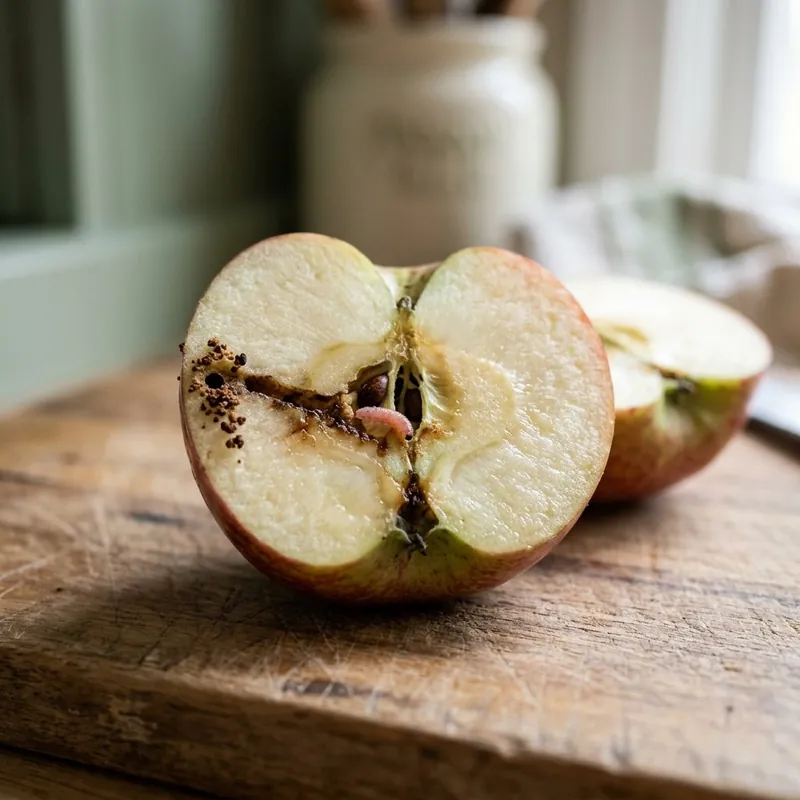
Pest
Codling moth
Apples and pears with a small hole and brown droppings, and a tunnel to the core where a pale pink caterpillar feeds. Infested fruit often drops early.
-
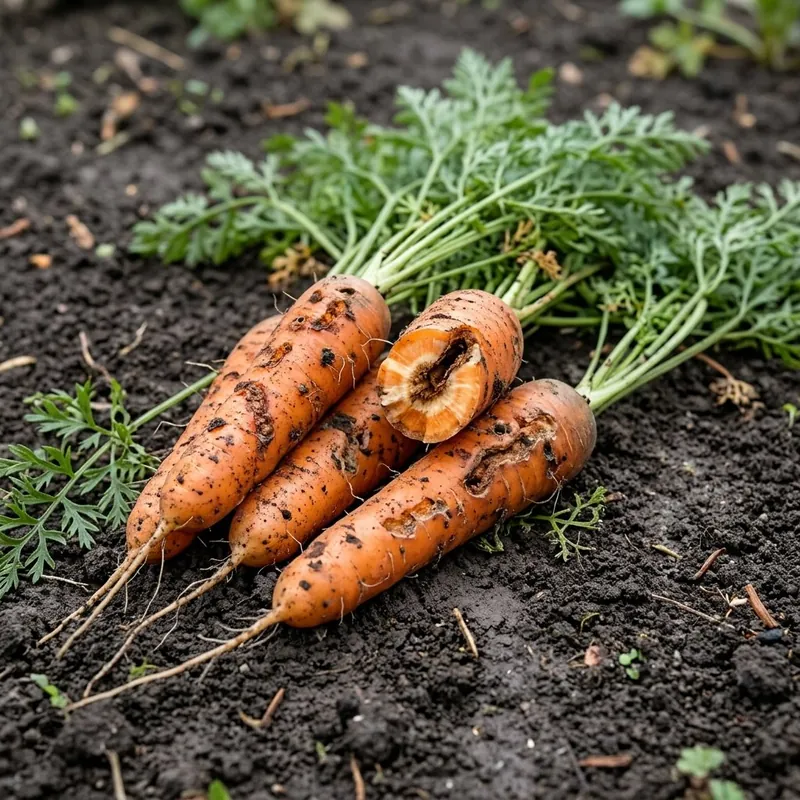
Pest
Carrot rust fly
Rusty brown tunnels through carrot roots, made by small cream maggots. Leaves may turn reddish and plants stay small. Parsnips, parsley and celery are hit too.
-
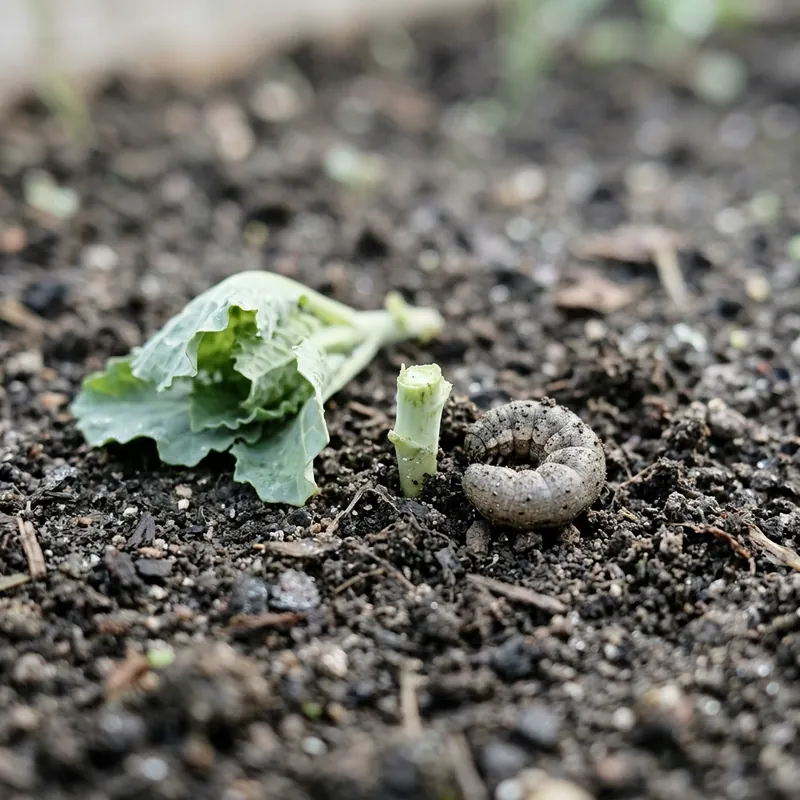
Pest
Cutworms
Fat gray, brown or green caterpillars that live in the soil and come up at night. They cut seedlings and young plants off at soil level and chew holes in roots and tubers.
-
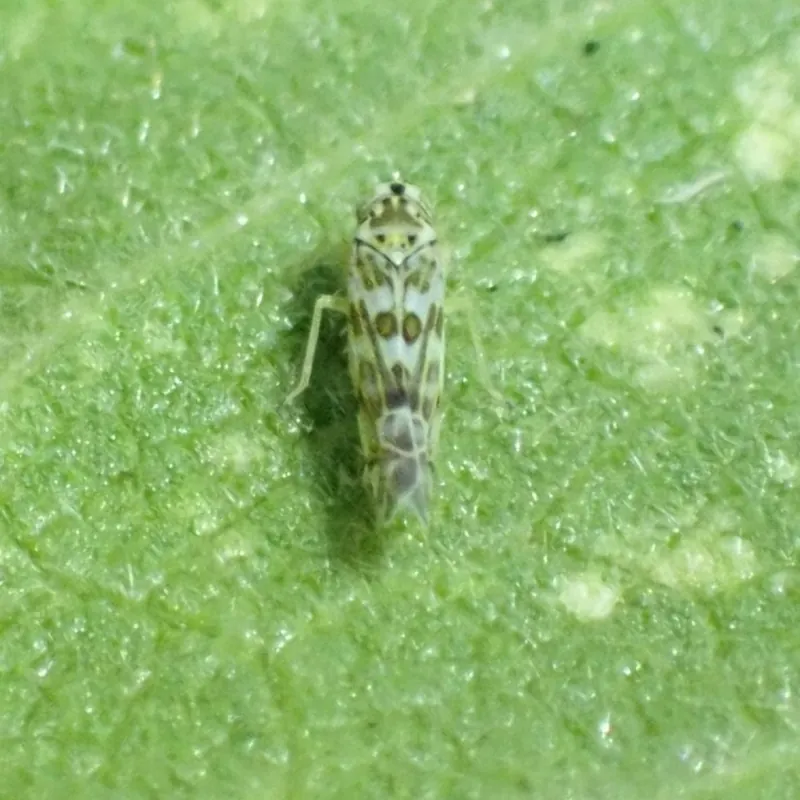
Pest
Leafhoppers
Small pale insects on leaf undersides that hop away when disturbed. Feeding causes fine pale mottling on the leaves of roses, sage, mint and potatoes, and white cast skins collect underneath.
-
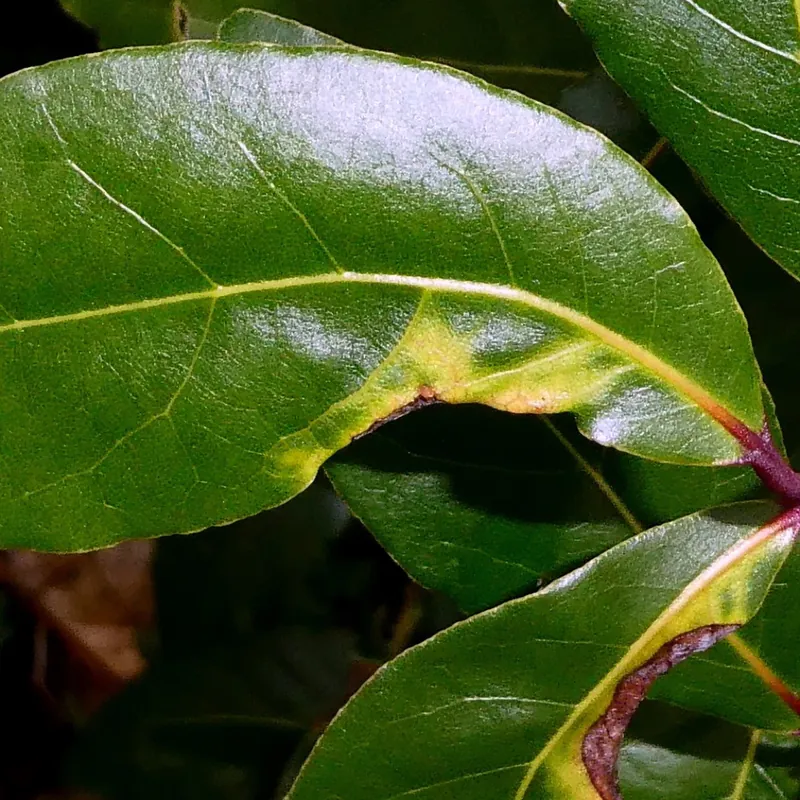
Pest
Psyllids
Small sap-sucking insects, also called suckers or jumping plant lice. Bay sucker curls and thickens bay leaf edges, box sucker cups box shoot tips, and the young leave white waxy threads and honeydew.
-
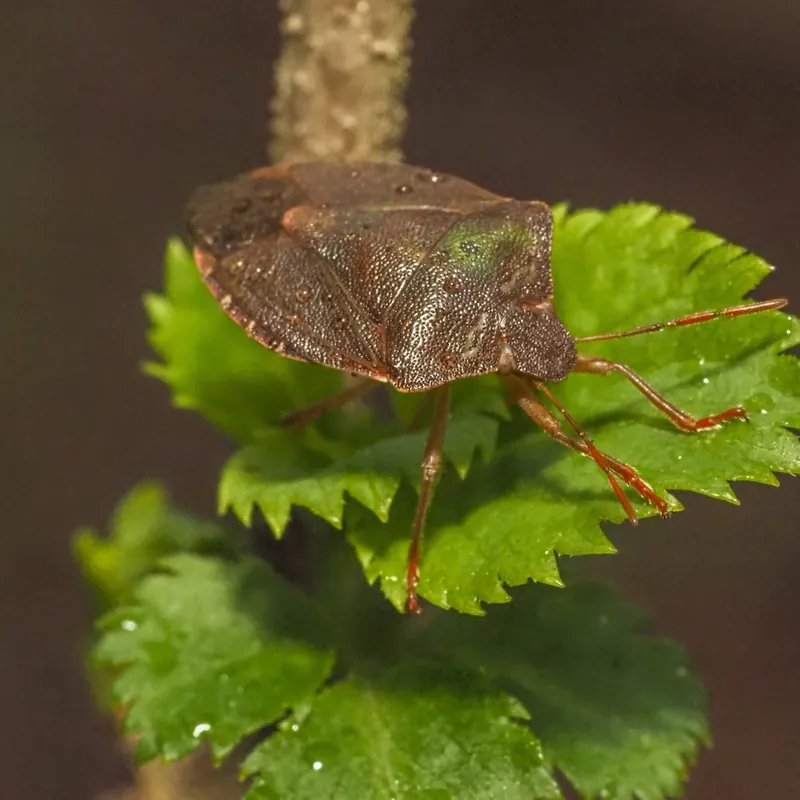
Pest
Stink bugs and shield bugs
Flat shield-shaped bugs, green or brown, that pierce fruit, pods and seeds. Tomatoes, beans and apples get pale cloudy spots or dimples, and the bugs smell when handled. Damage is usually minor.
-
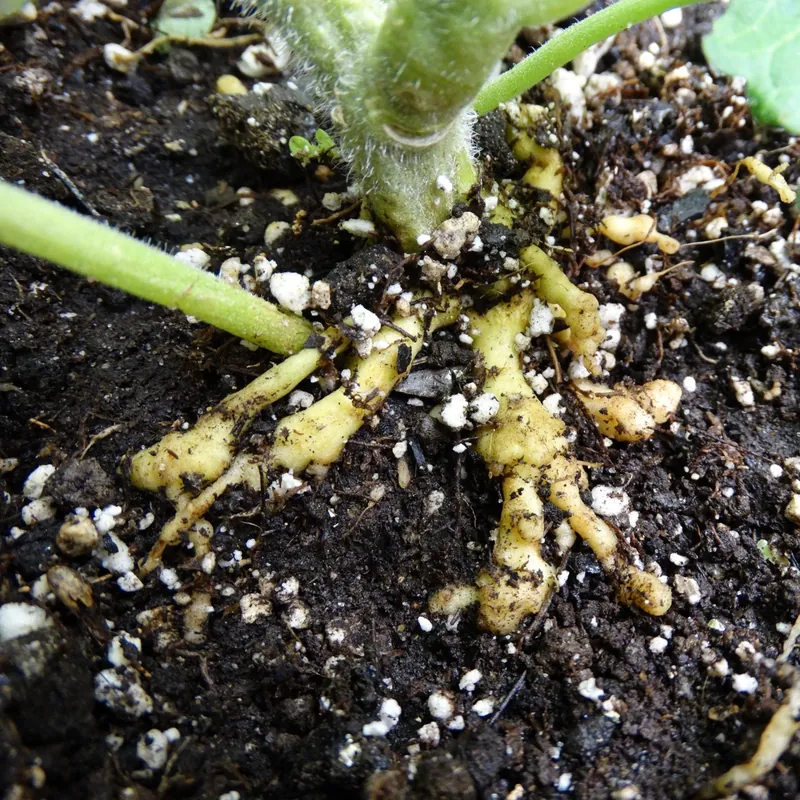
Pest
Root-knot nematodes
Tiny soil worms that make roots swell into bead-like lumps. Plants stay small, turn yellow and wilt on warm days. Tomatoes, cucumbers, carrots and many houseplants are hit.
-
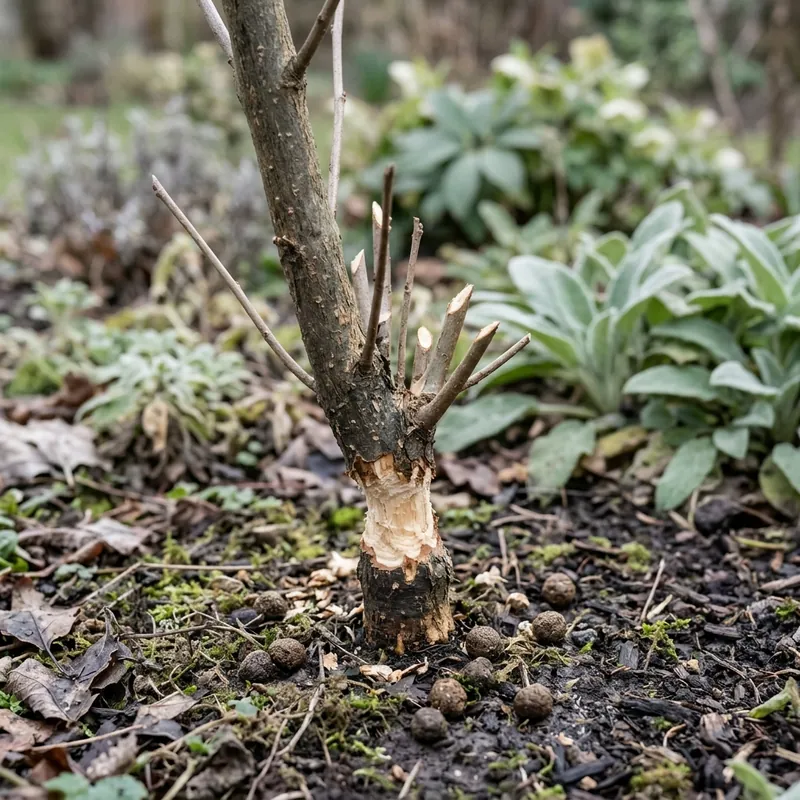
Pest
Animal damage
Shoots bitten off, bark stripped, bulbs dug up or fruit pecked. Deer, rabbits, squirrels, mice and birds all feed in gardens, and each leaves its own signs.
Vegetable garden pests
-
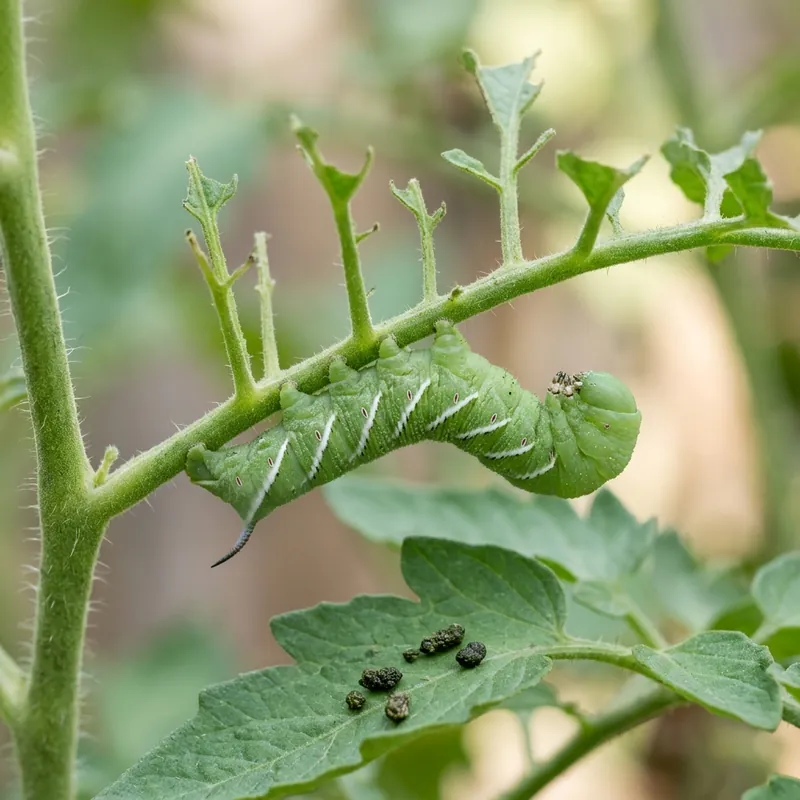
Pest
Tomato hornworm
Big green caterpillars with pale stripes and a horn at the tail, on tomatoes, peppers, aubergines and potatoes in North America. They strip leaves and gouge fruit fast, leaving large dark droppings below.
-
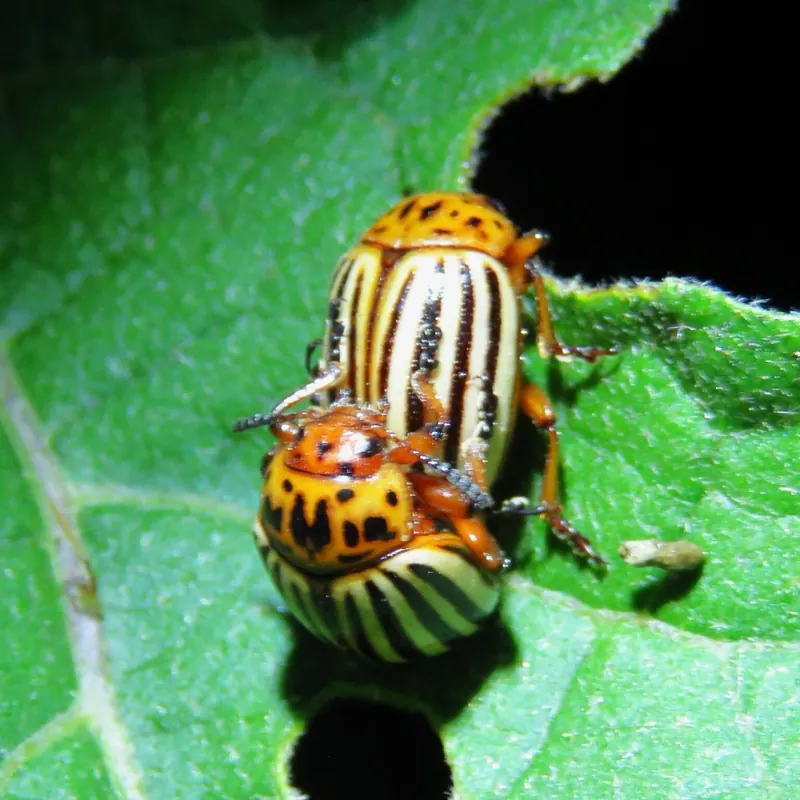
Pest
Colorado potato beetle
Yellow and black striped beetles and plump red larvae that strip potato, aubergine and tomato leaves. Orange egg clusters sit under the leaves. Common in North America and Europe, rare in the UK.
-
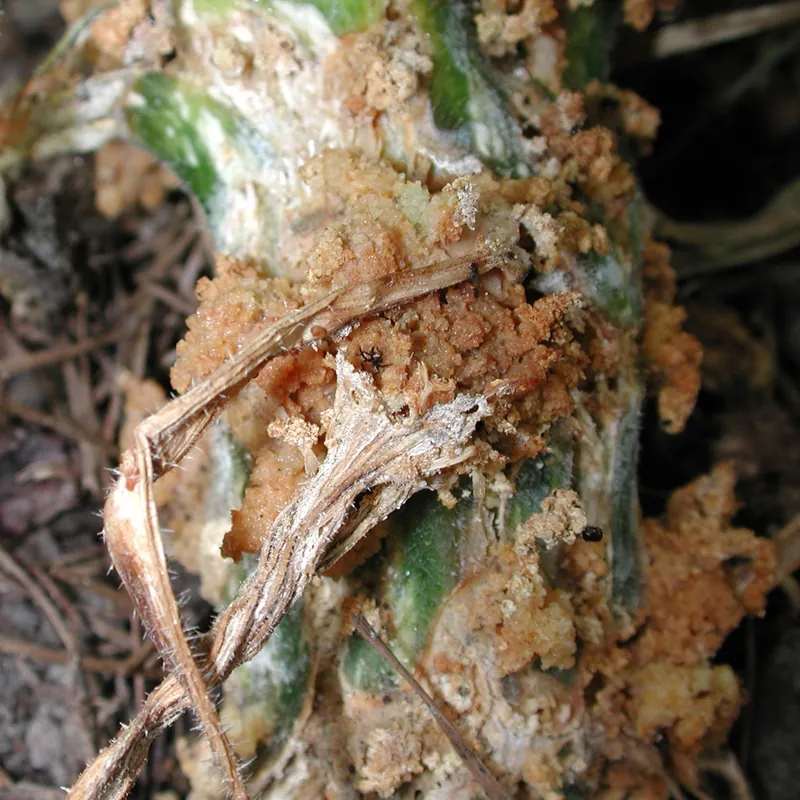
Pest
Squash vine borer
A white grub tunnels inside squash, pumpkin and courgette stems. The plant suddenly wilts on a sunny day, and a hole at the base leaks sawdust-like droppings. Found in North America.
-
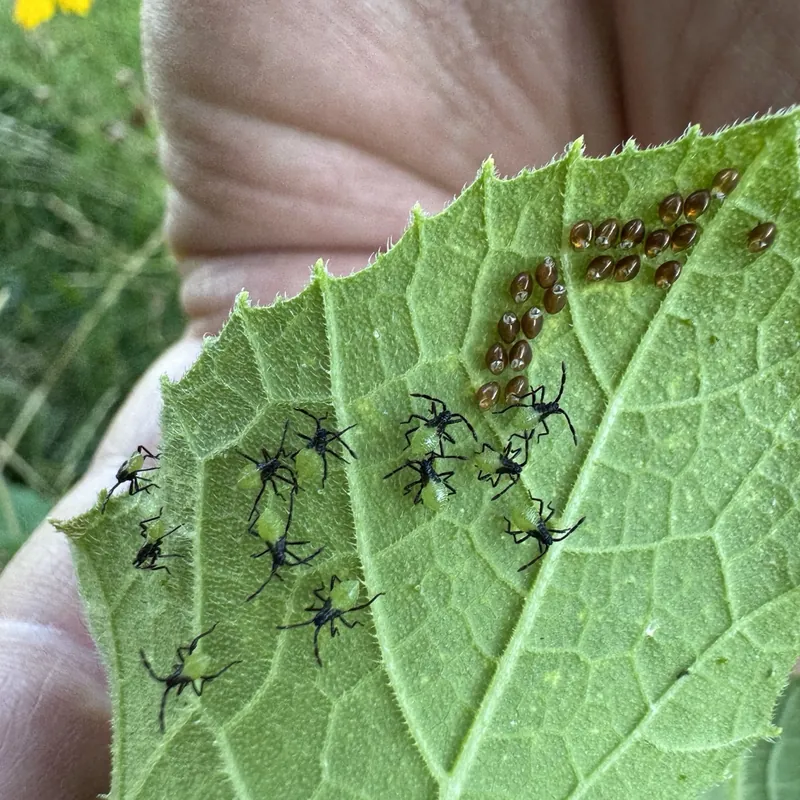
Pest
Squash bugs
Flat gray-brown bugs that suck sap from squash and pumpkins in North America. Leaves get yellow speckles, then wilt and turn brown and crisp. Bronze egg clusters sit under the leaves.
-
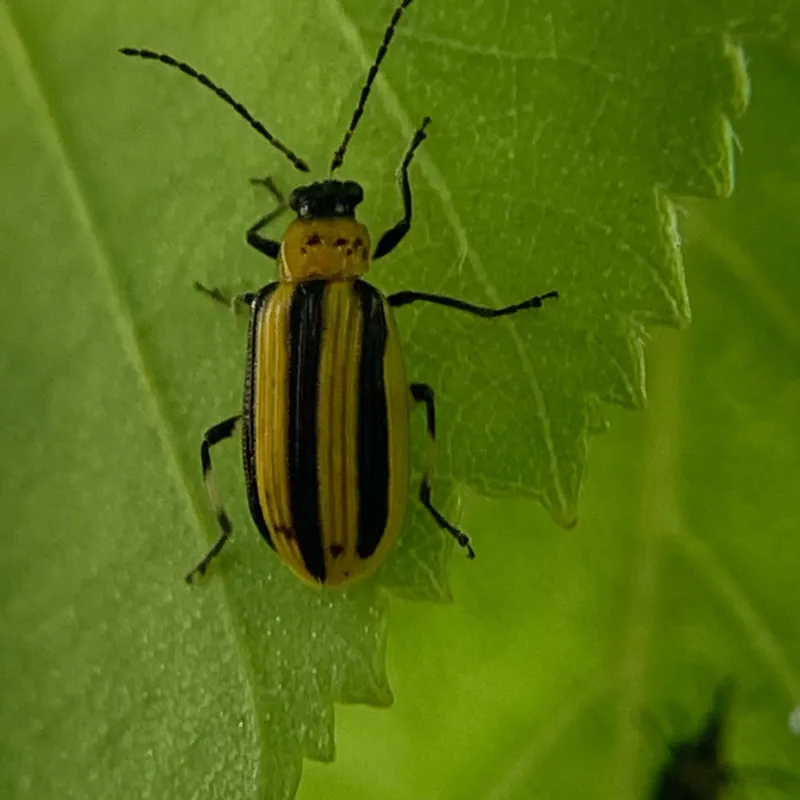
Pest
Cucumber beetles
Small yellow beetles with black stripes or spots that chew holes in cucumber, melon and squash leaves and scar the fruit. They also spread bacterial wilt, which has no cure.
Leaf and flower diseases
-
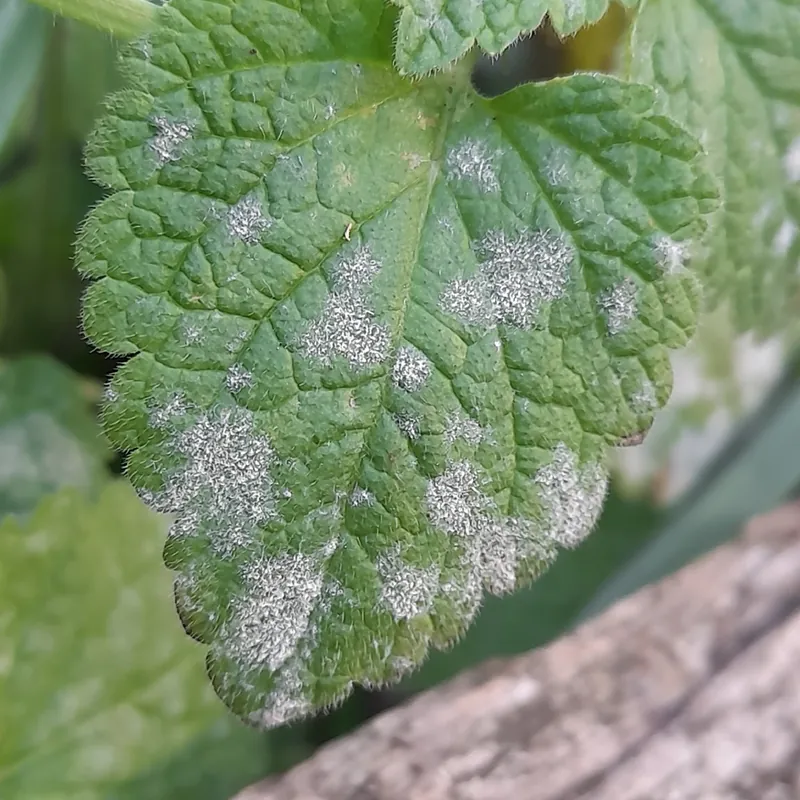
Fungus
Powdery mildew
White dusty coating on leaf surfaces. Thrives in stagnant, humid air. Unlike most fungi, it doesn't need wet leaves.
-
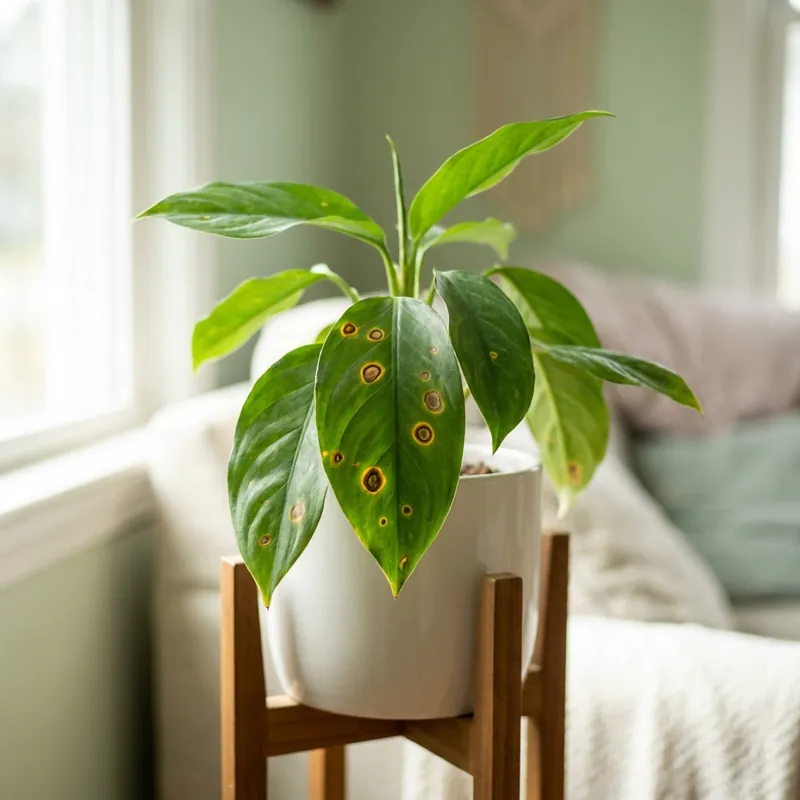
Fungus
Leaf spot
Brown or black spots, often with a yellow halo, spreading outward. Usually fungal, following water sitting on leaves.
-
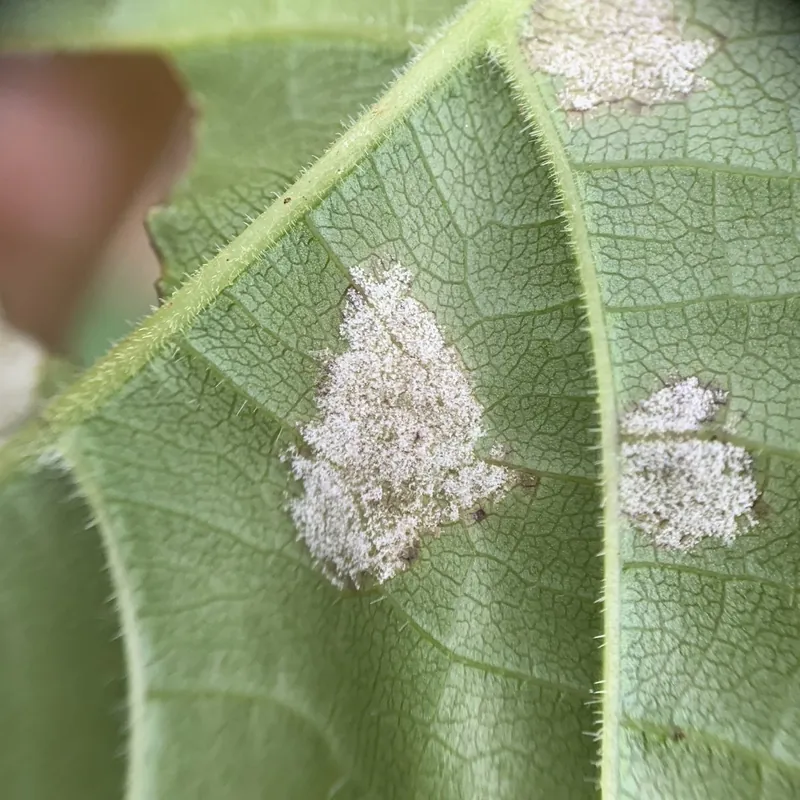
Fungus
Downy mildew
Yellow or pale patches on the upper side of leaves, with gray or purple fuzz underneath. It spreads in cool, damp weather and can strip lettuce, basil, grapes and impatiens.
-
Fungus
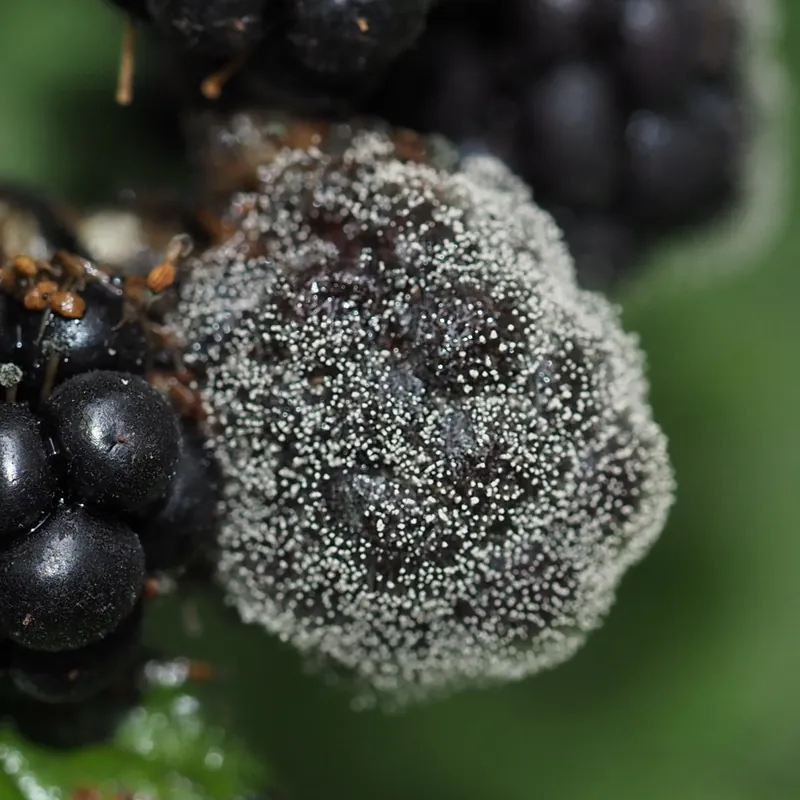
Gray mold
Fluffy gray mold on soft, rotting flowers, fruit, leaves or stems. It spreads in cool, damp, still air and gets in through dead or damaged tissue.
-
Fungus
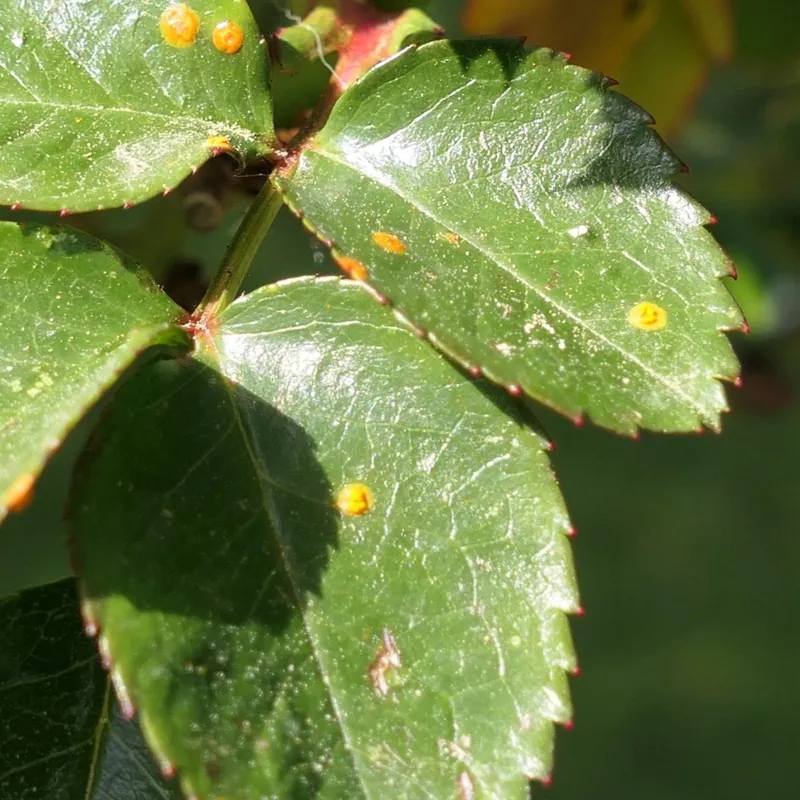
Rust
Orange, rusty brown or yellow powdery pustules, mostly on leaf undersides, with pale spots on top. Common on roses, leeks, mint, hollyhocks and pelargoniums, and worst in damp weather.
-
Fungus
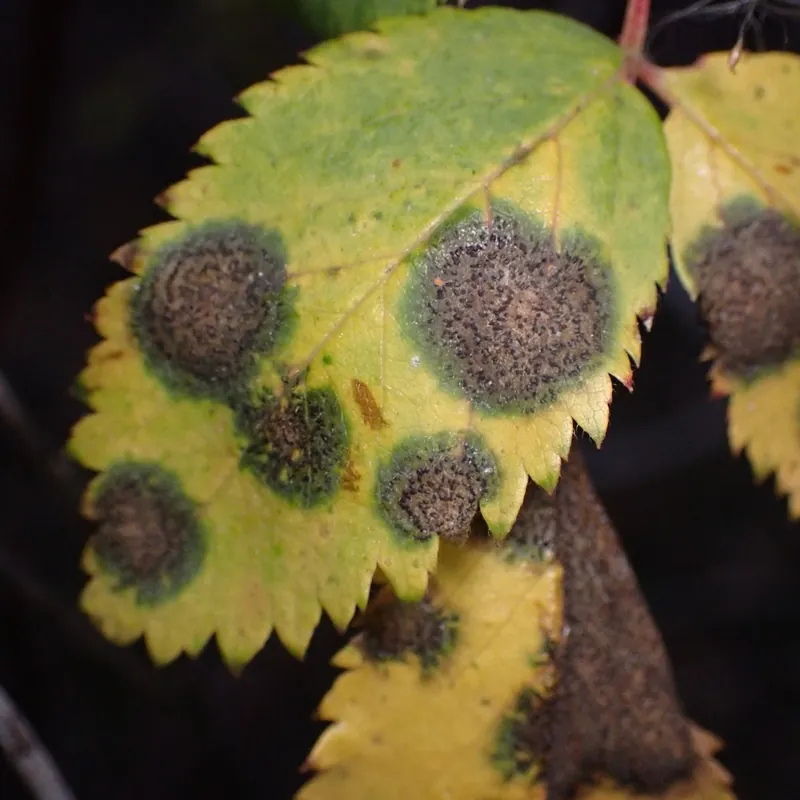
Black spot on roses
Black or purple spots with feathery edges on rose leaves, which then turn yellow and fall early. A badly hit rose can lose most of its leaves by late summer.
-
Fungus
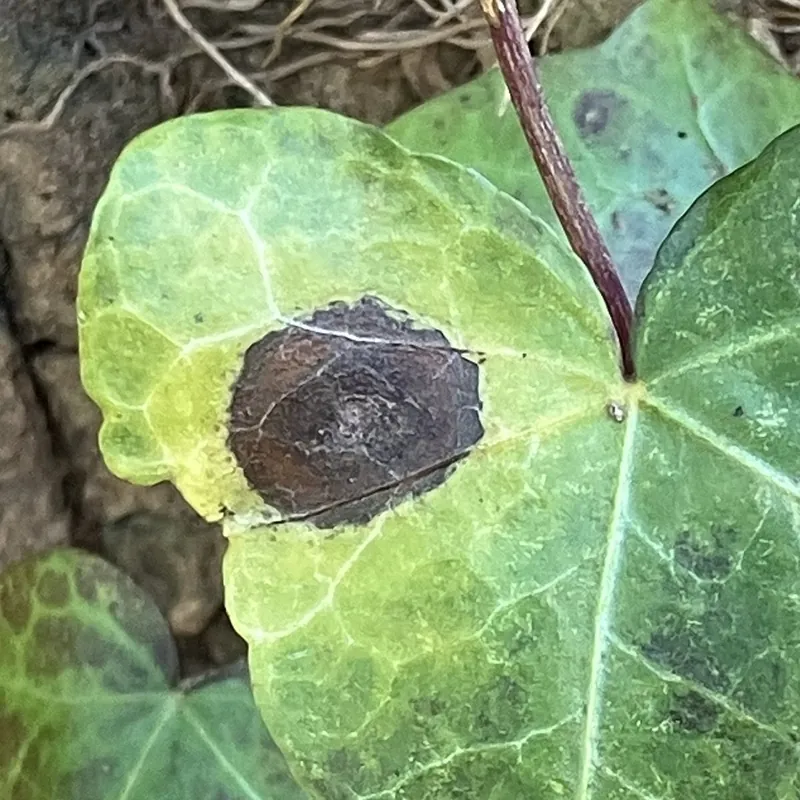
Anthracnose
Sunken dark patches on leaves, stems or fruit, often with pink or orange spore masses in wet weather. It spreads by rain splash and lives on in plant debris.
-
Fungus
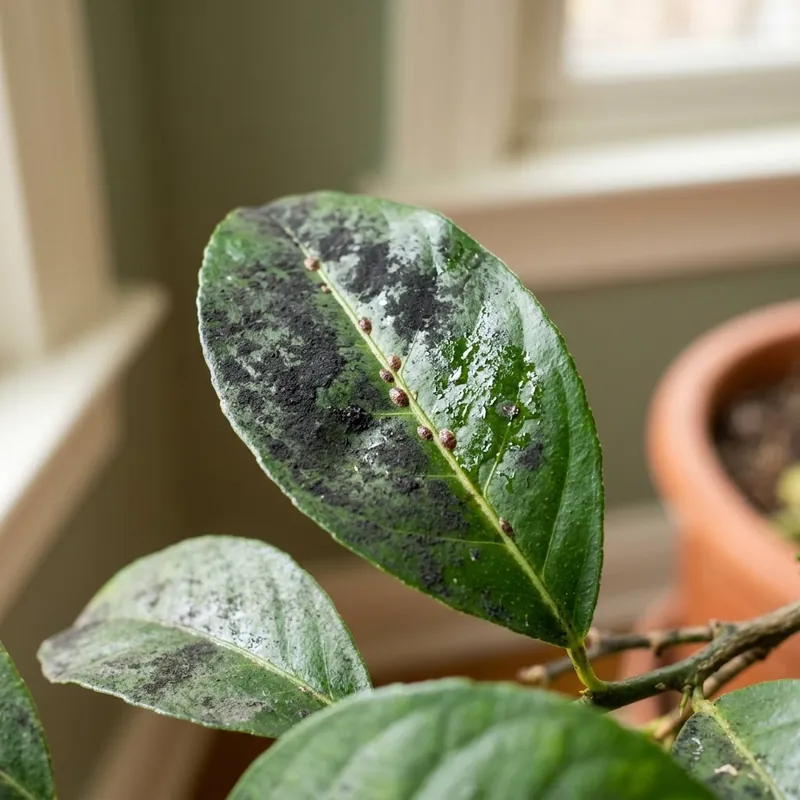
Sooty mold
A black, sooty coating on leaves that wipes off. It grows on the sticky honeydew left by aphids, scale, whitefly or mealybugs, and blocks light.
-
Fungus
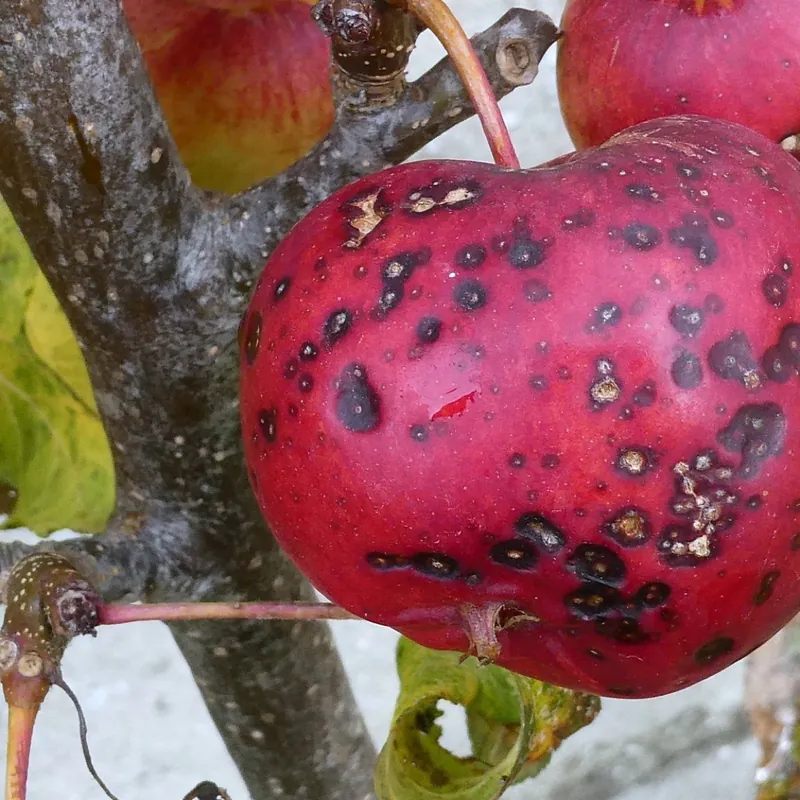
Apple and pear scab
Olive green to black blotches on apple or pear leaves, and dark corky scabs on the fruit, which may crack. Worst after wet springs; the fruit is still safe to eat.
-
Fungus
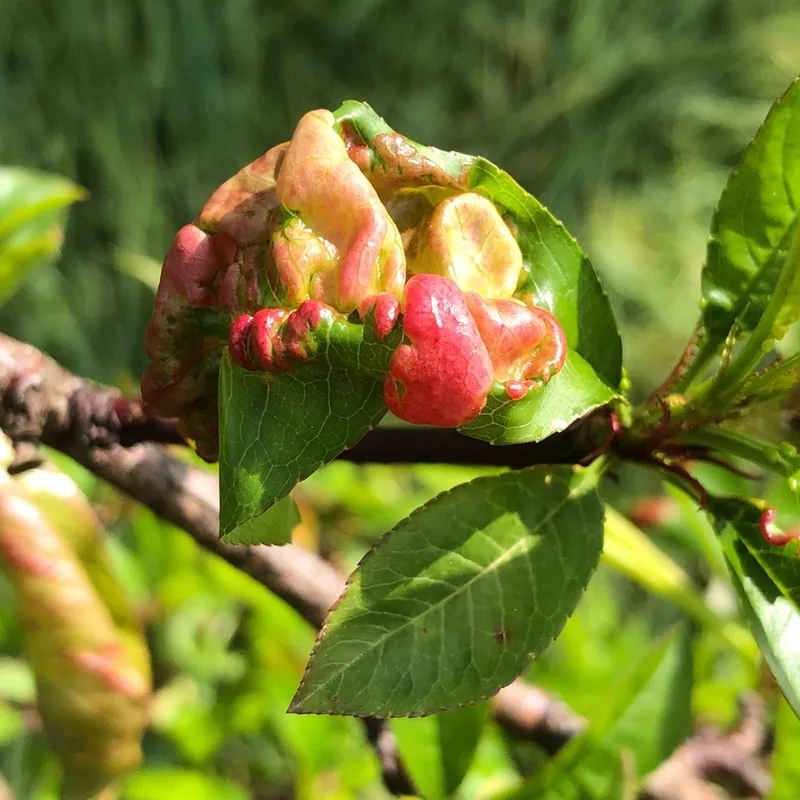
Peach leaf curl
New leaves on peaches, nectarines and almonds pucker into red or pink blisters, turn powdery white, then fall. The tree regrows leaves, but repeated attacks weaken it.
-
Fungus
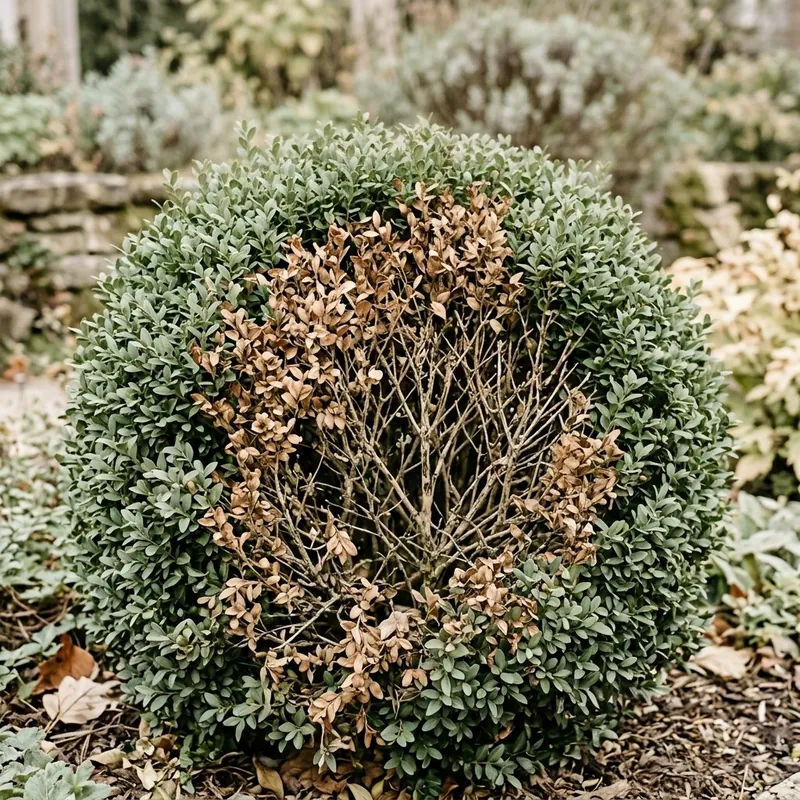
Boxwood blight
Brown leaf spots and bare patches on box hedges, black streaks on the stems and white fuzz under the leaves in damp weather. Leaves drop quickly.
-
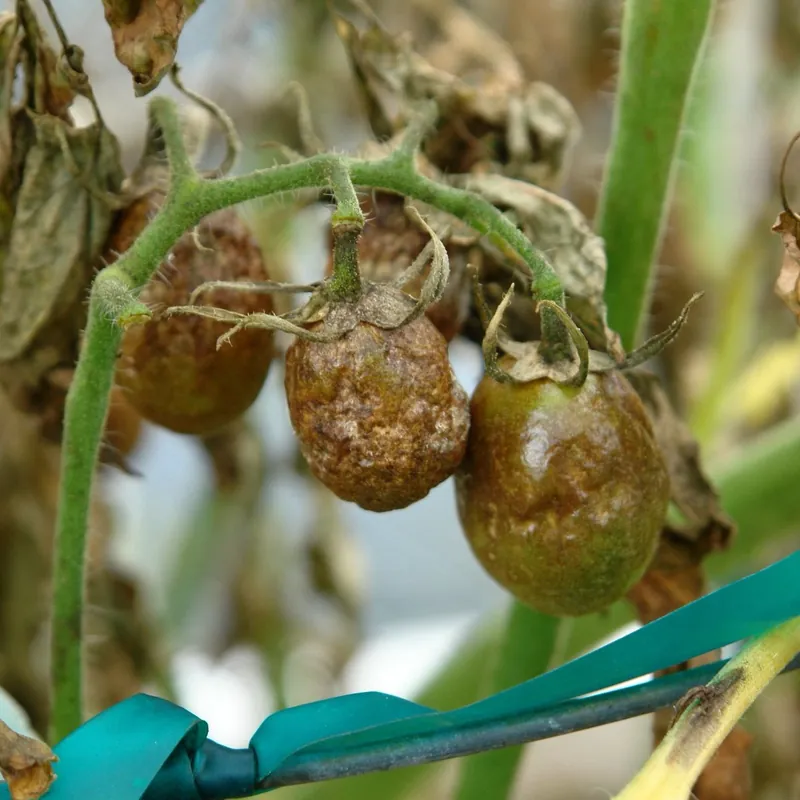
Fungus
Late blight
Brown patches spread fast across leaves and stems, with white fuzz underneath in damp weather, then fruit turns brown and rots. It strikes tomatoes and potatoes in warm, wet summers.
-
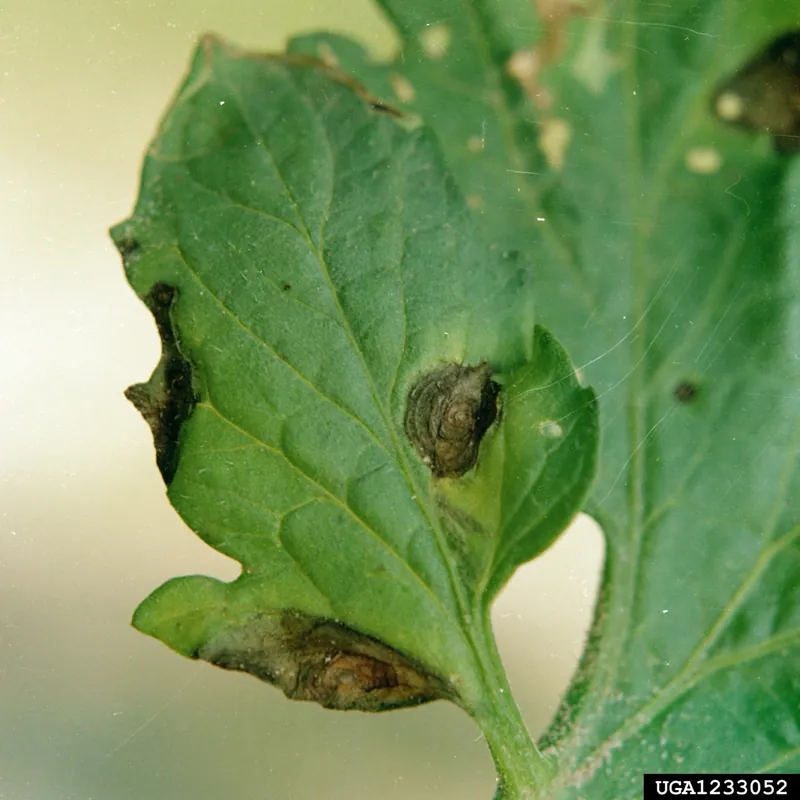
Fungus
Early blight
Dark brown spots with rings like a target appear on the oldest, lowest leaves of tomatoes and potatoes first, then climb the plant. Seedlings can get dark, sunken rings at the stem base.
-
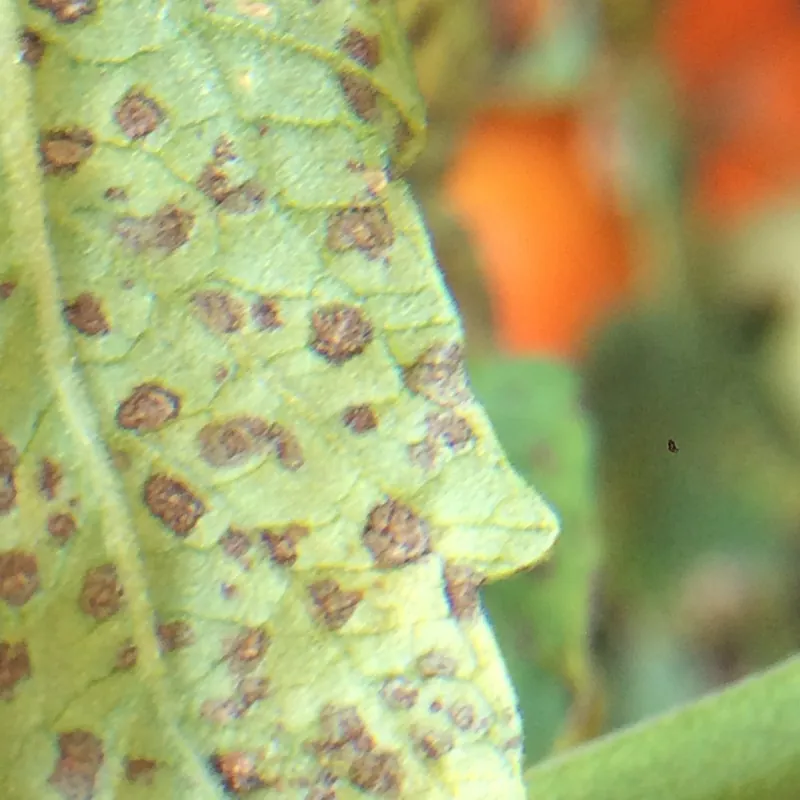
Fungus
Septoria leaf spot
Lots of small round spots with pale gray centers and dark edges, starting on the lowest tomato leaves. Spotted leaves turn yellow and fall, but the fruit is rarely touched.
-
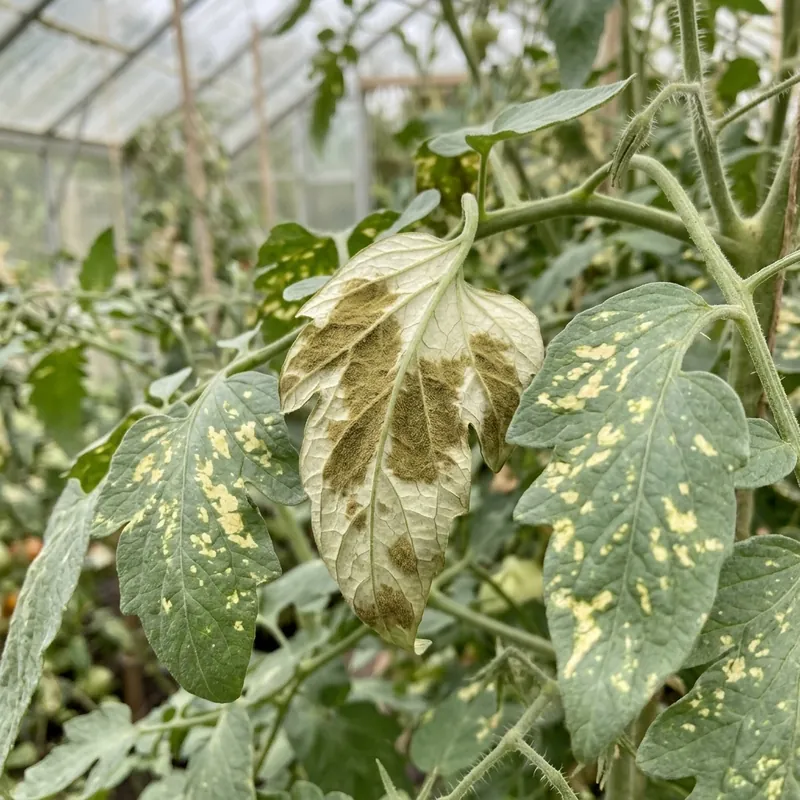
Fungus
Tomato leaf mold
Pale yellow patches on the upper side of greenhouse tomato leaves, with olive brown velvet underneath. Lower leaves go first and wither in warm, humid, still air.
-
Fungus
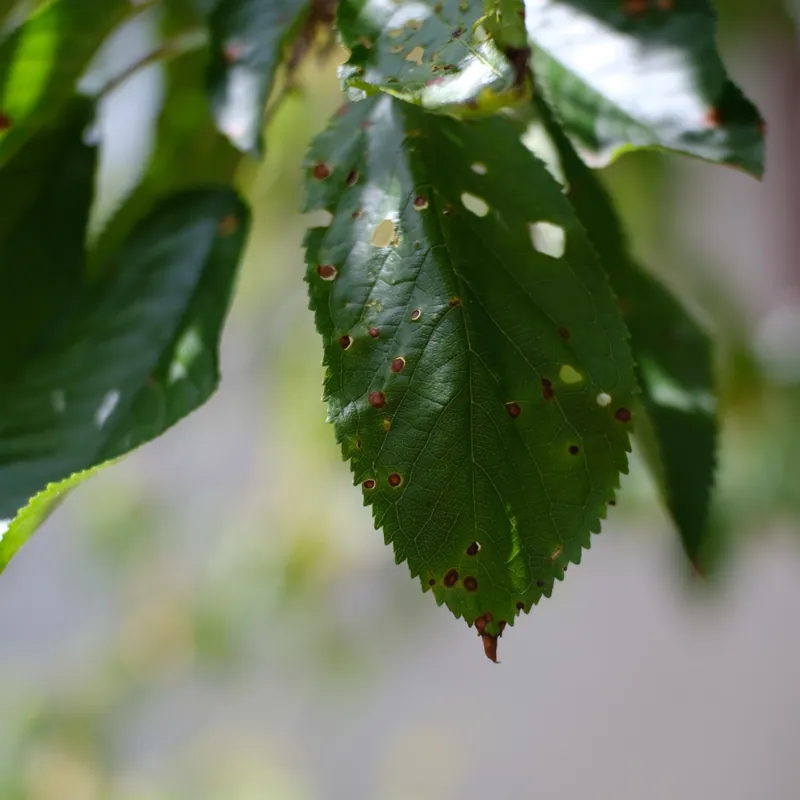
Shot hole
Small brown spots fall out of the leaves, leaving neat round holes as if hit by shot. It is common on cherry laurel, cherries and plums, and often a sign of a stressed plant.
-
Fungus
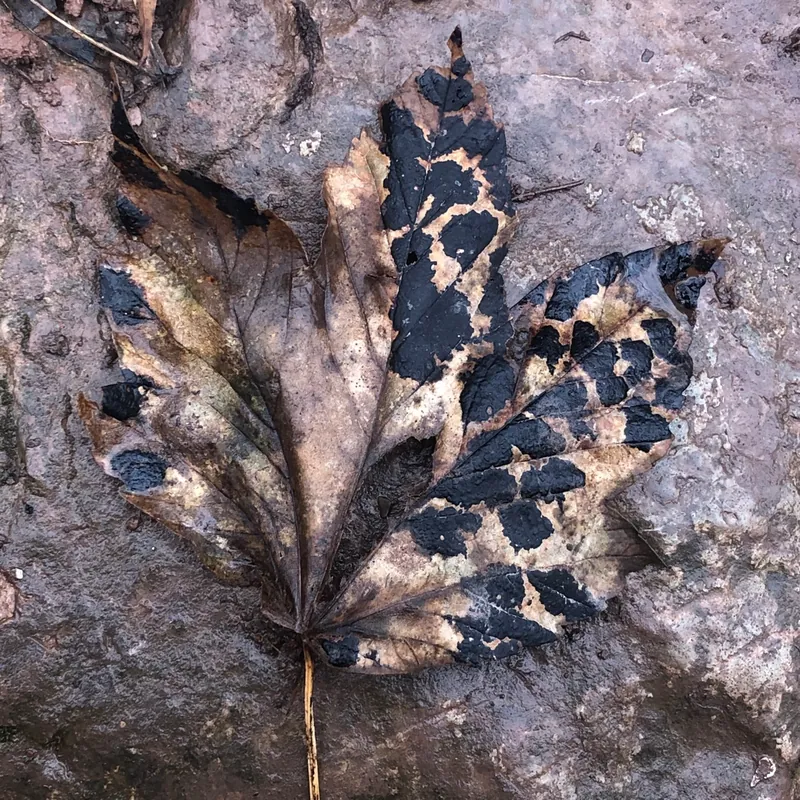
Tar spot
Black, shiny spots like drops of tar on sycamore and maple leaves, usually ringed with yellow, by late summer. It looks alarming but does the tree no lasting harm.
-
Fungus
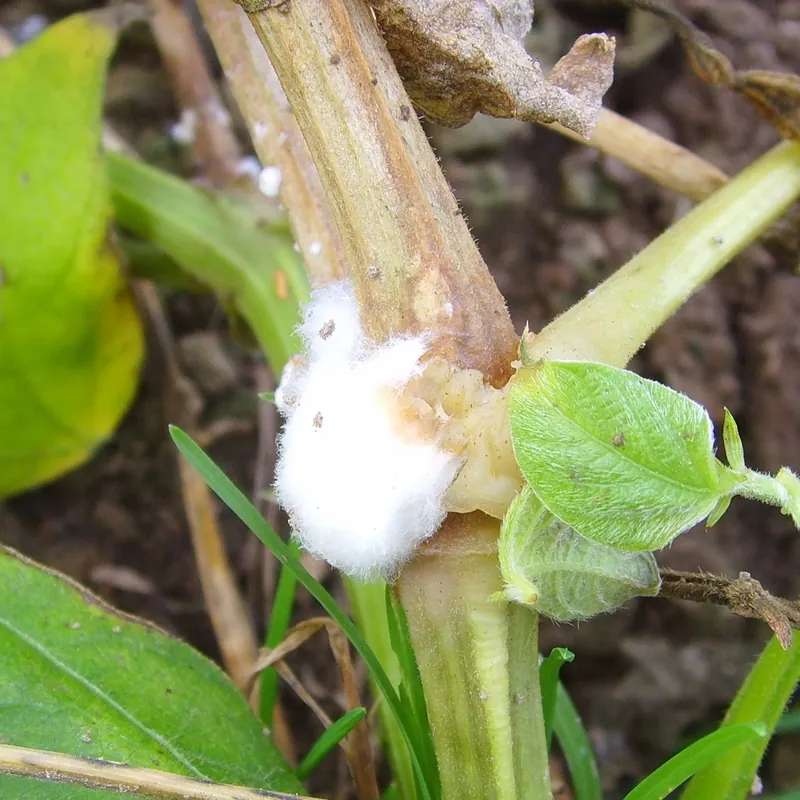
White mold
White fluffy mold on stems, often near the base, with hard black lumps like seeds inside or on them. Beans, lettuce, sunflowers and dahlias wilt and collapse.
-
Fungus
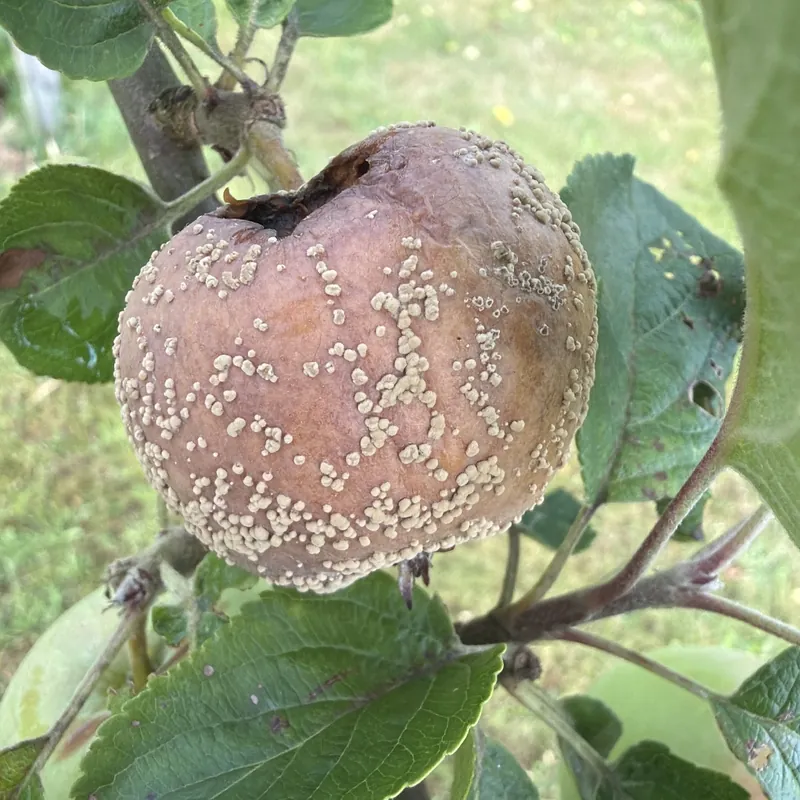
Brown rot
Fruit turns soft and brown, grows rings of buff, cushion-like spores, then shrivels into a mummy that hangs on the tree. Apples, pears, plums and cherries are all hit.
-
Fungus
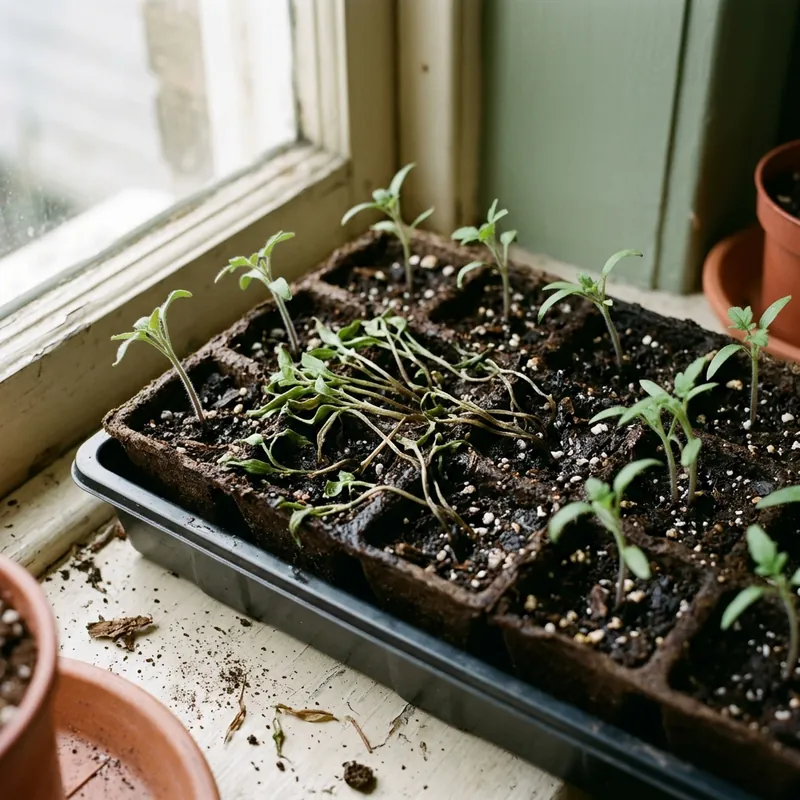
Damping off
Seedlings suddenly flop over, their stems thin and dark at soil level, often in patches that spread across a tray. Soil fungi cause it in cold, wet, crowded conditions.
Wilts, rots, cankers and viruses
-
Bacteria
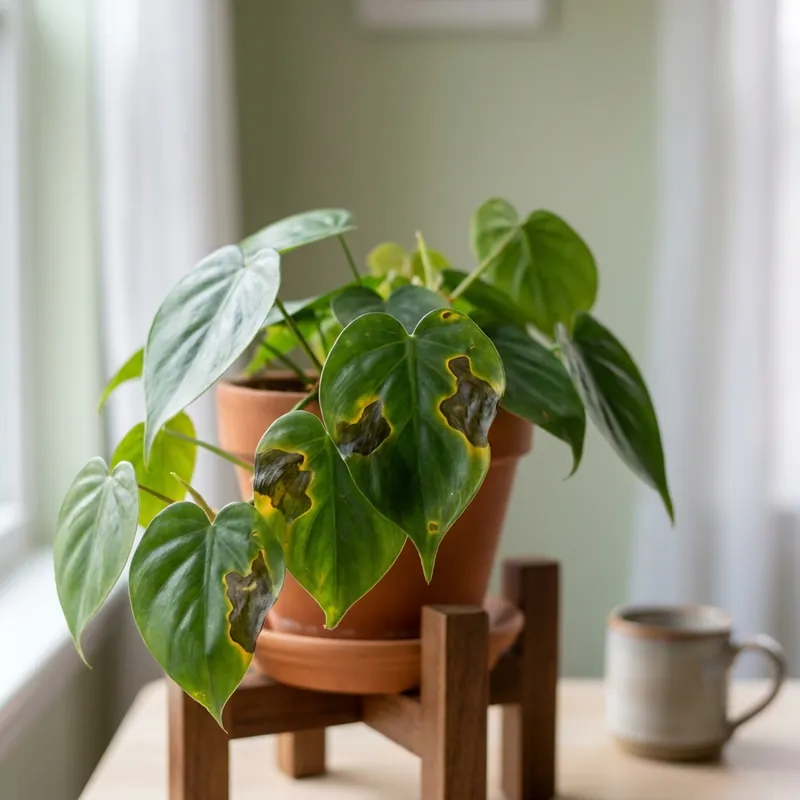
Bacterial blight
Water-soaked dark patches that spread fast and may smell unpleasant. Harder to stop than fungal spotting.
-
Bacteria
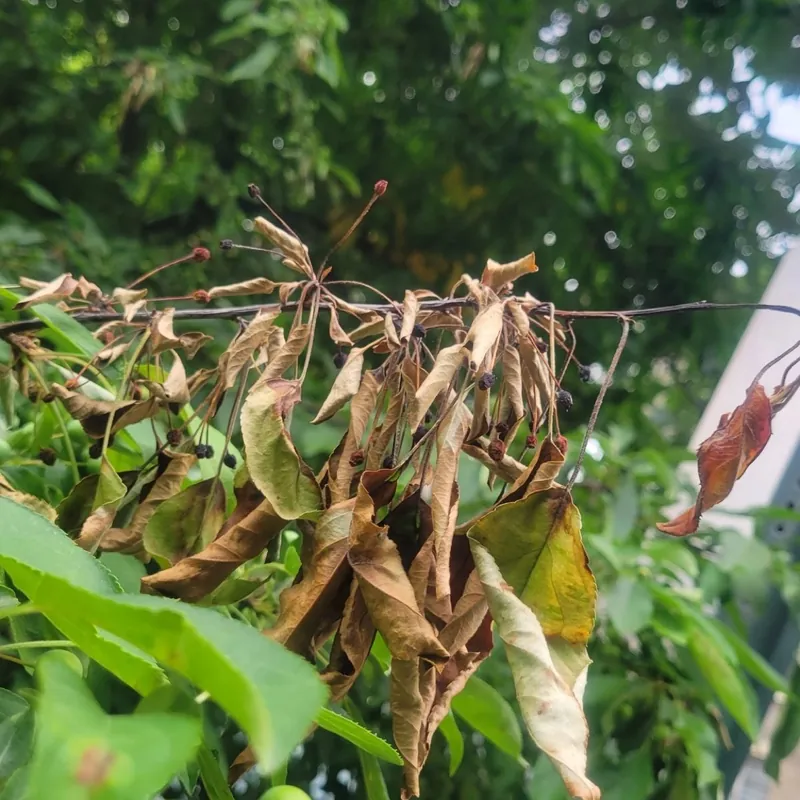
Fire blight
Flowers and young shoots wilt and turn black or brown as if scorched, with tips bent into a hook. It attacks apples, pears, quince, hawthorn, cotoneaster and pyracantha.
-
Bacteria
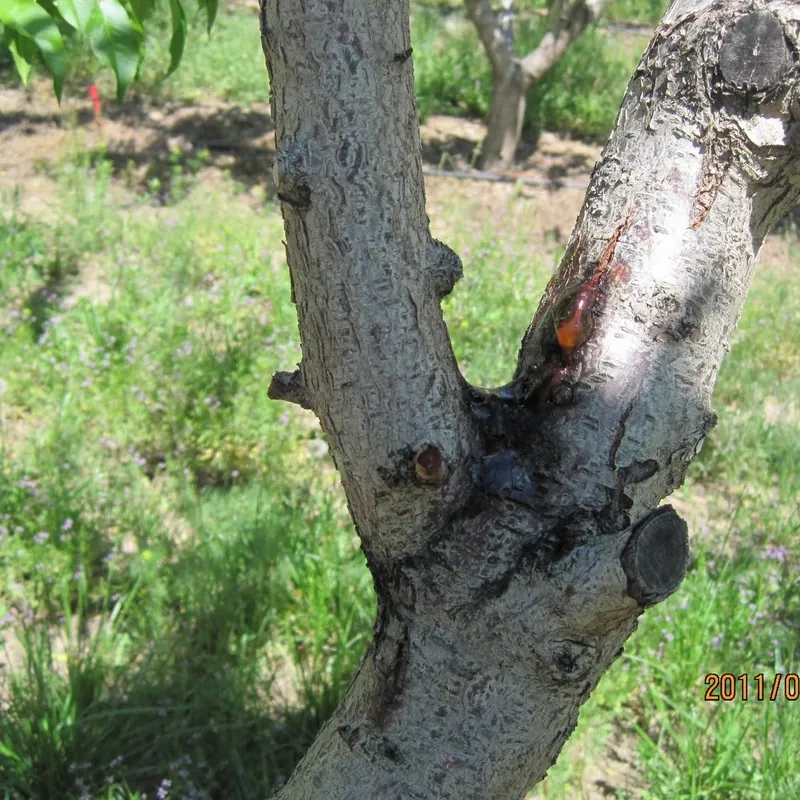
Bacterial canker
Small brown spots that drop out, leaving holes in cherry and plum leaves, and sunken bark patches oozing amber gum. Branches above a canker wilt and die back.
-
Bacteria
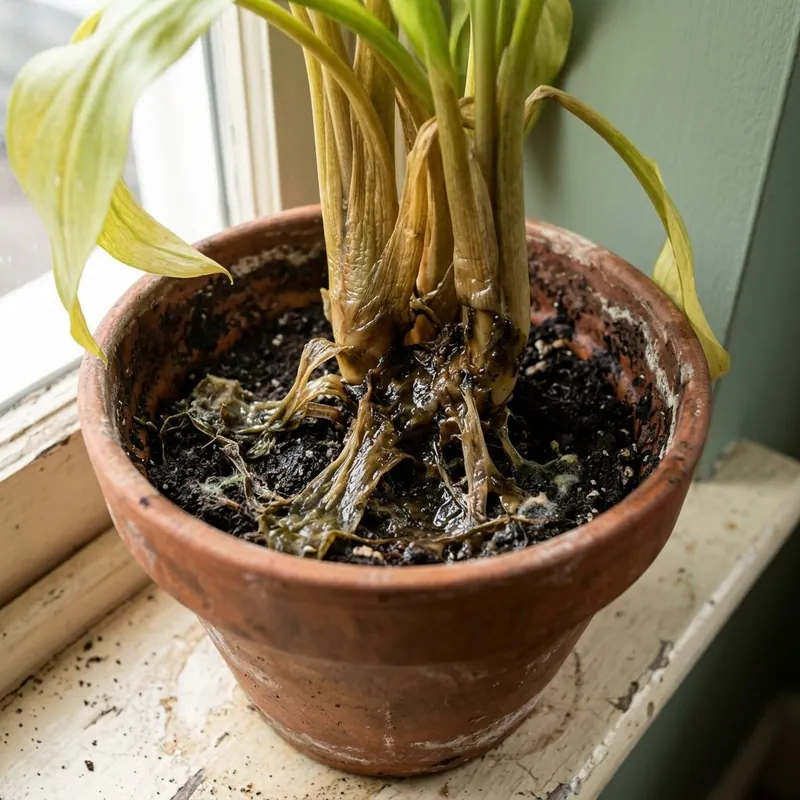
Bacterial soft rot
Stems, leaves, bulbs or tubers turn soft, slimy and wet, often with a foul smell, and collapse within days. It gets in through wounds in warm, wet conditions.
-
Fungus
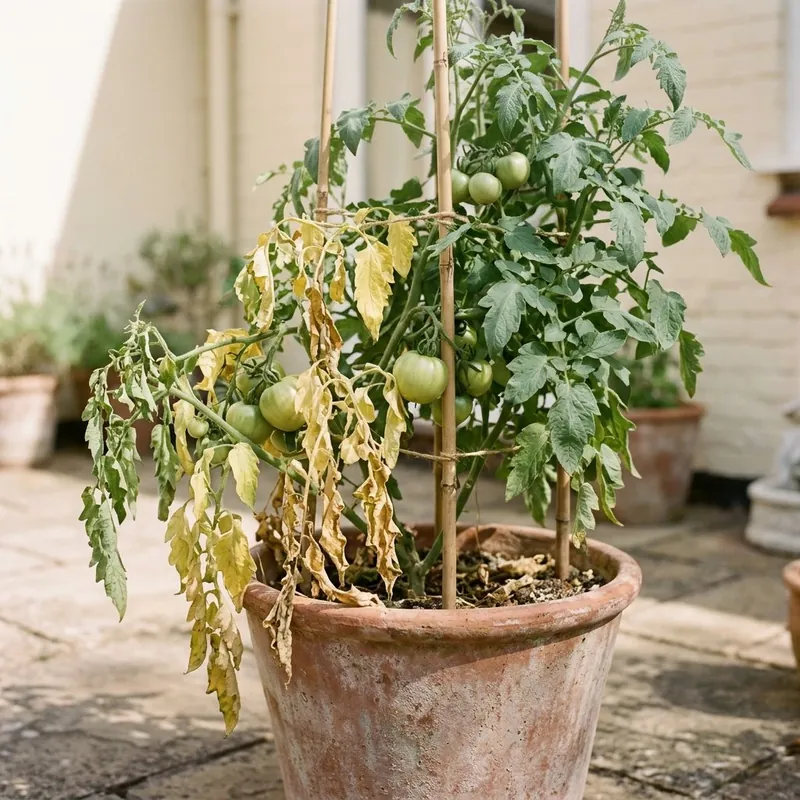
Fusarium wilt
Lower leaves yellow, often on one side first, and the plant wilts even in moist soil. Cut stems show brown streaks inside. The fungus lives in soil for years.
-
Fungus
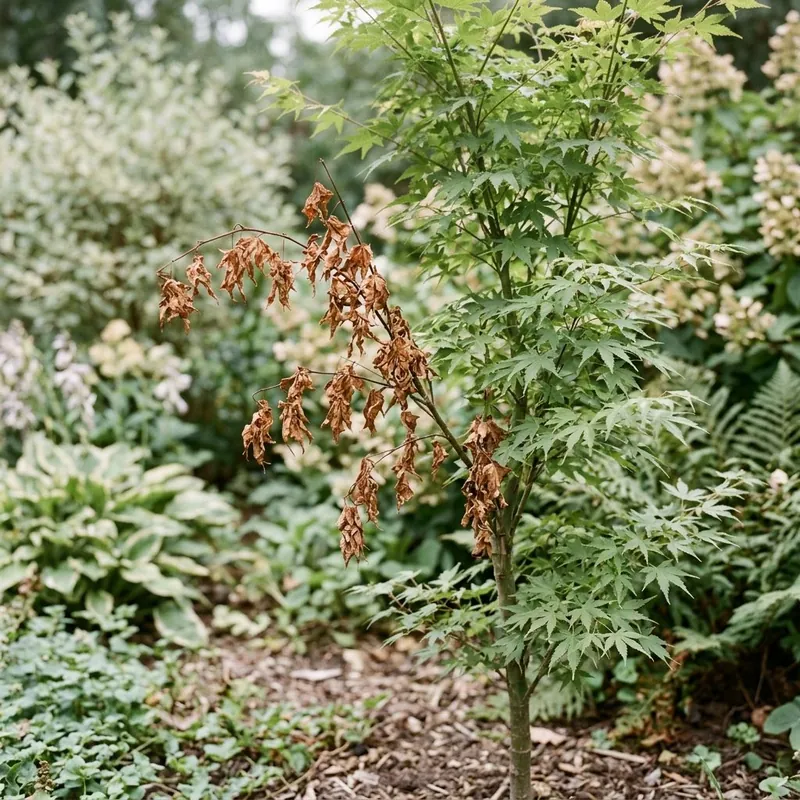
Verticillium wilt
Leaves yellow, wilt and die, often branch by branch. Cut stems show brown or dark streaks inside. Maples, smoke bush, potatoes and tomatoes are common hosts.
-
Bacteria
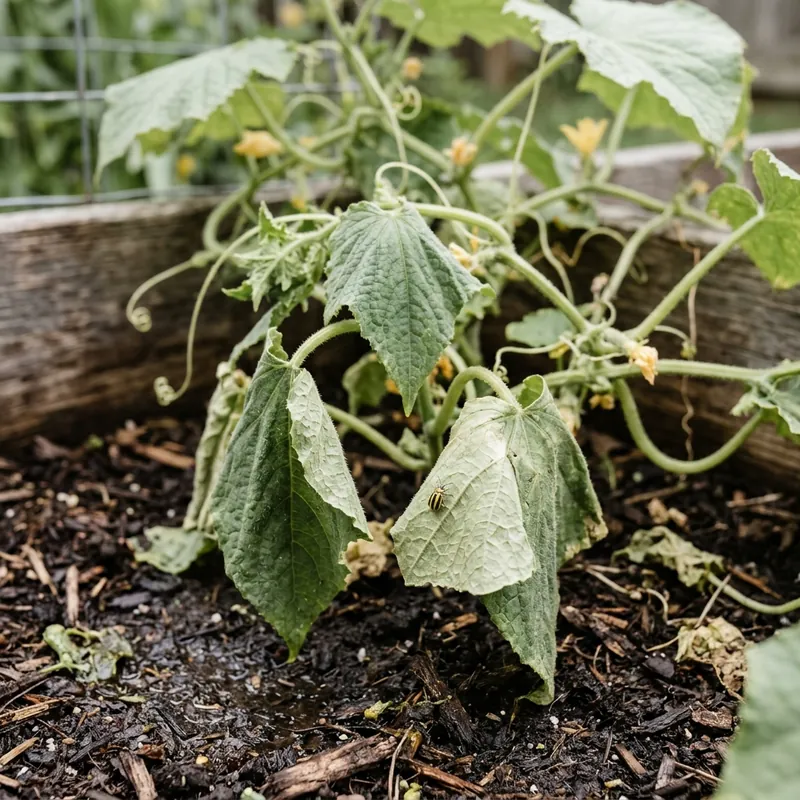
Bacterial wilt
Cucumber, melon and squash leaves wilt on warm days and stop recovering at night, until the whole vine collapses. Cucumber beetles spread the bacteria, mostly in North America. There is no cure.
-
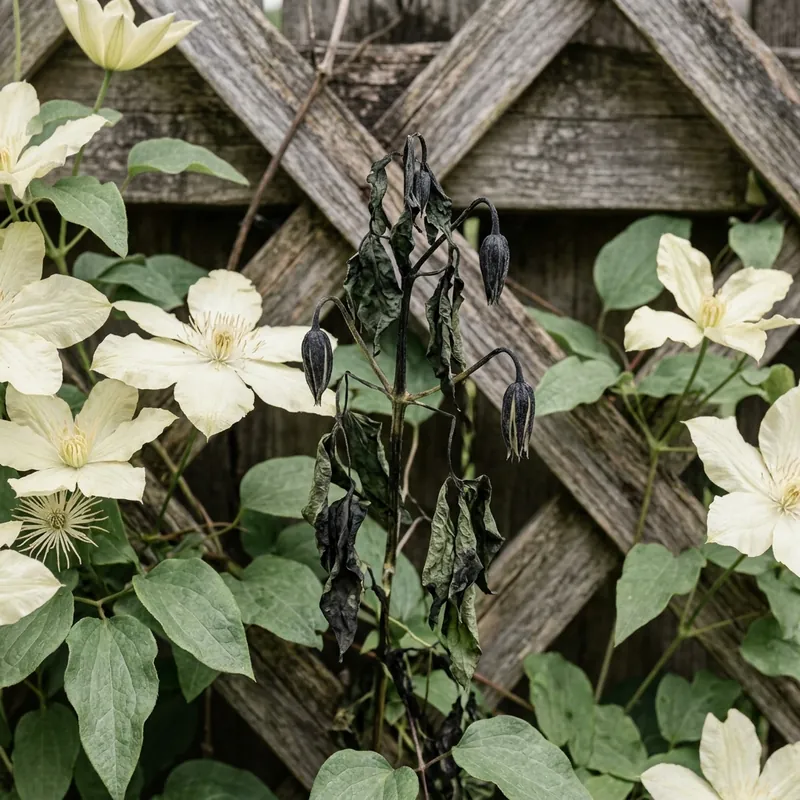
Fungus
Clematis wilt
A stem, or the whole clematis, suddenly wilts and its leaves turn black within days, often just before flowering. Large-flowered hybrids are hit most, and most plants regrow from below ground.
-
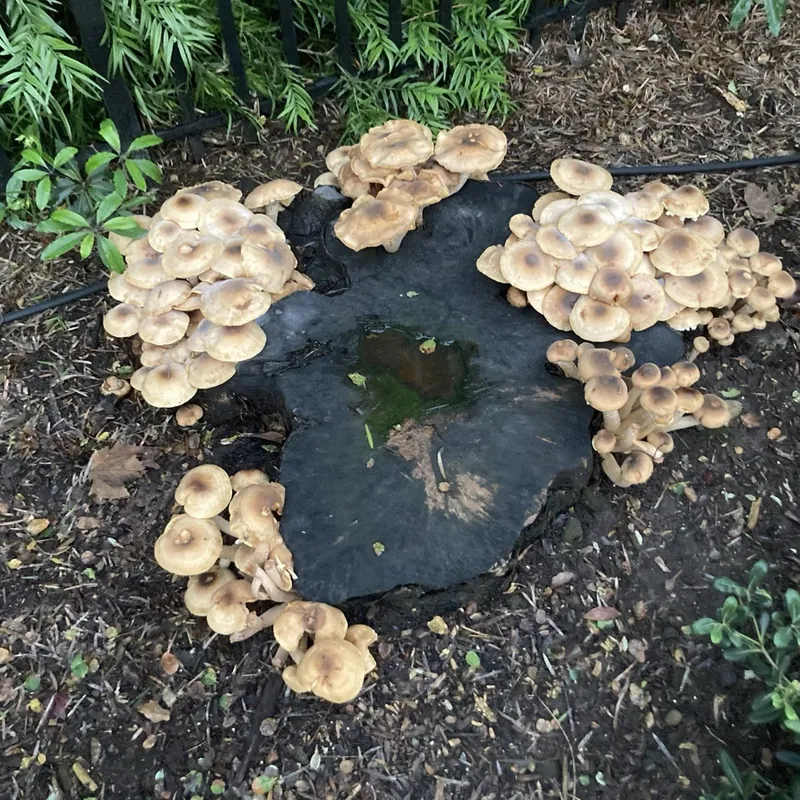
Fungus
Armillaria root rot
Trees and shrubs die back or fail to leaf in spring. Peel the bark at the base: a white sheet of fungus smelling of mushrooms confirms it.
-
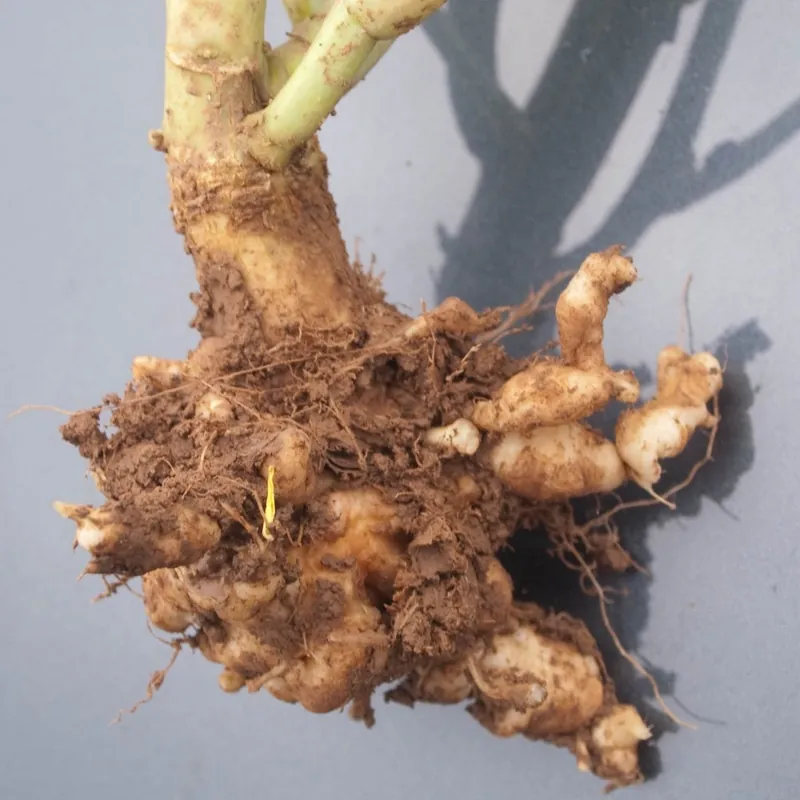
Fungus
Clubroot
Cabbages, sprouts and other brassicas wilt on warm days and stay small. Pulled up, their roots are swollen and knobbly. The spores survive in soil for up to 20 years.
-
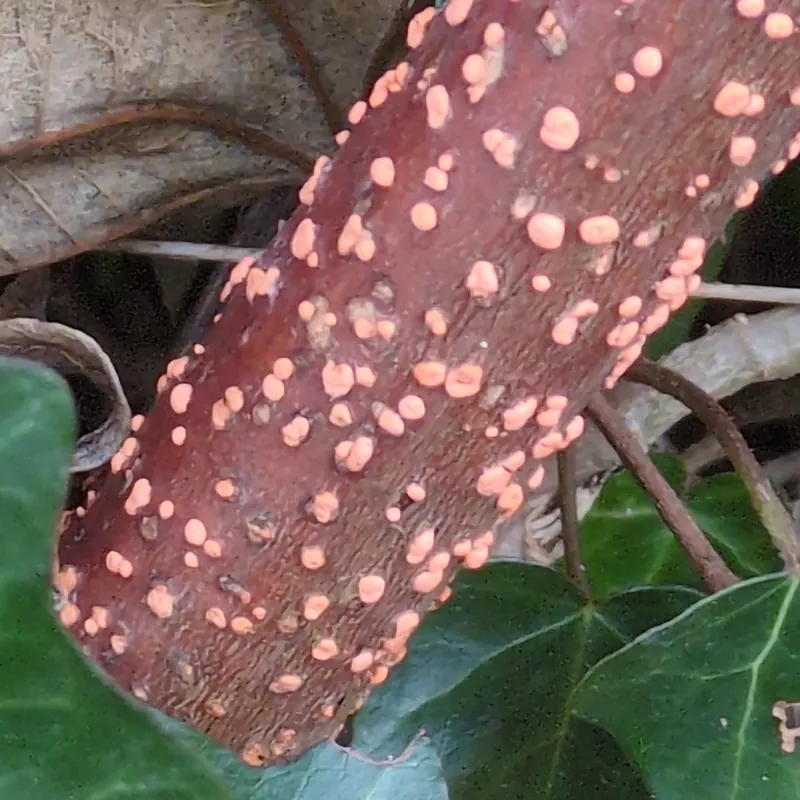
Fungus
Coral spot
Tiny pink or coral orange cushions on dead twigs and branches. It mostly lives on dead wood, but can spread into the live wood of stressed trees and shrubs, causing dieback.
-
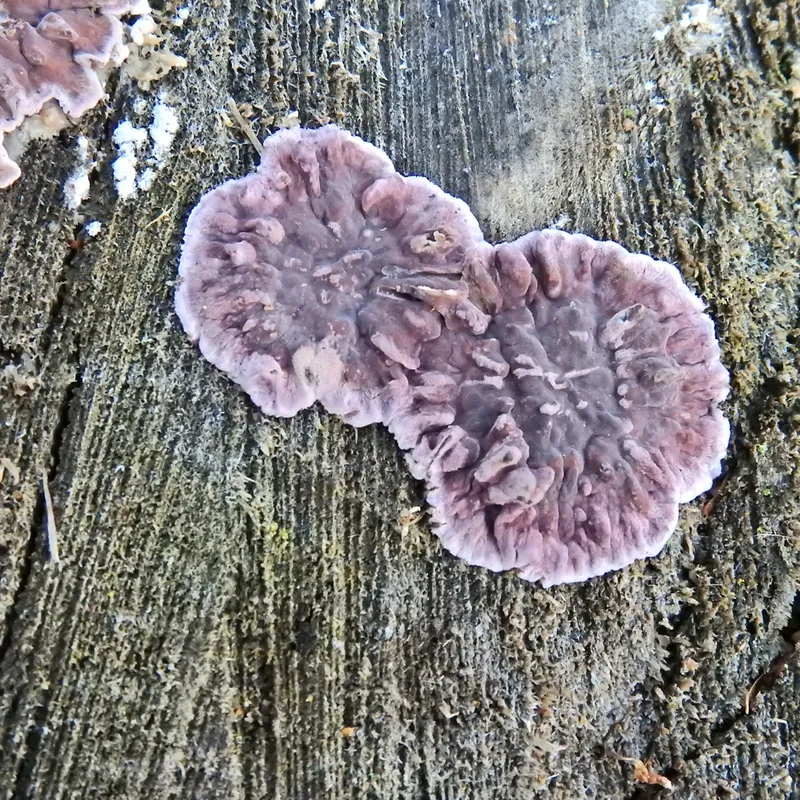
Fungus
Silver leaf
Leaves on plums and cherries take on a silvery, metallic sheen, branch by branch, and those branches slowly die. Cut wood shows a dark brown stain inside.
-
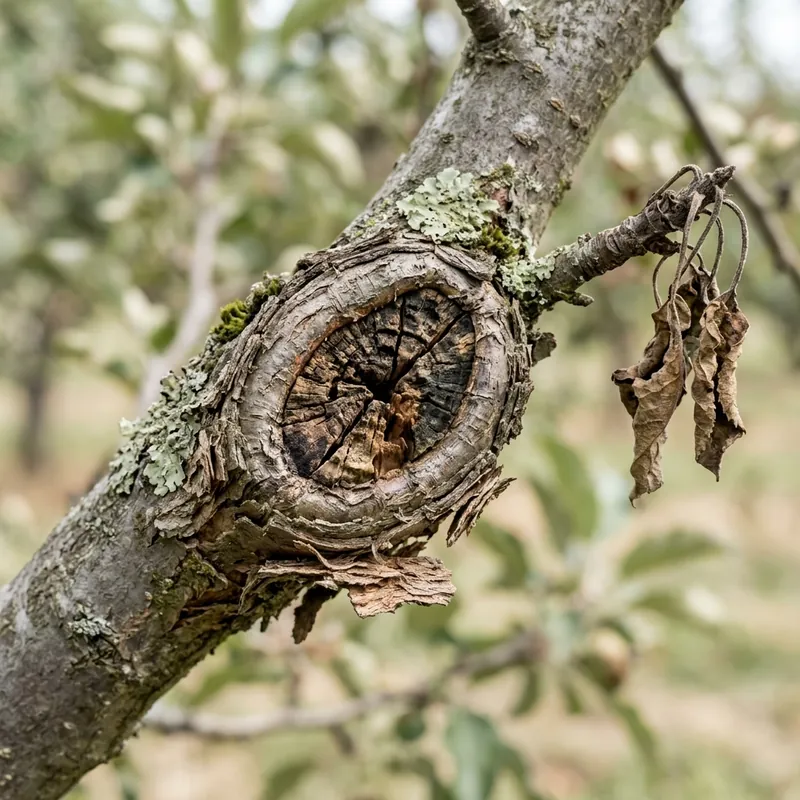
Fungus
Apple and pear canker
Sunken, cracked patches of bark on apple and pear branches, often ringed like a target around a bud. Branches above a canker die back once it circles them.
-
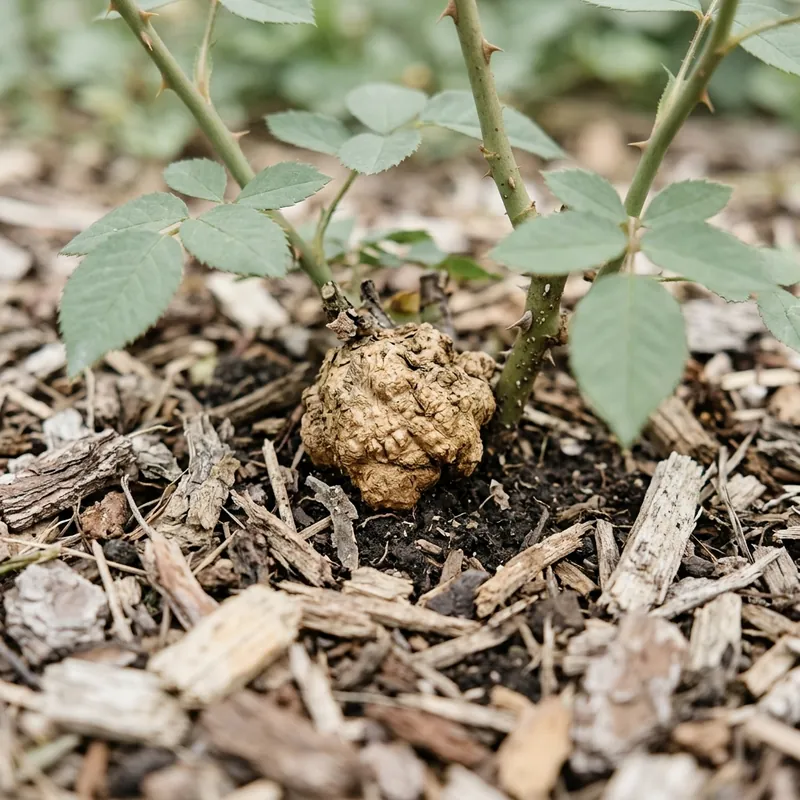
Bacteria
Crown gall
Rough, rounded lumps at the stem base or on the roots of roses, fruit trees and euonymus, caused by a soil bacterium that gets in through wounds. There is no cure.
-
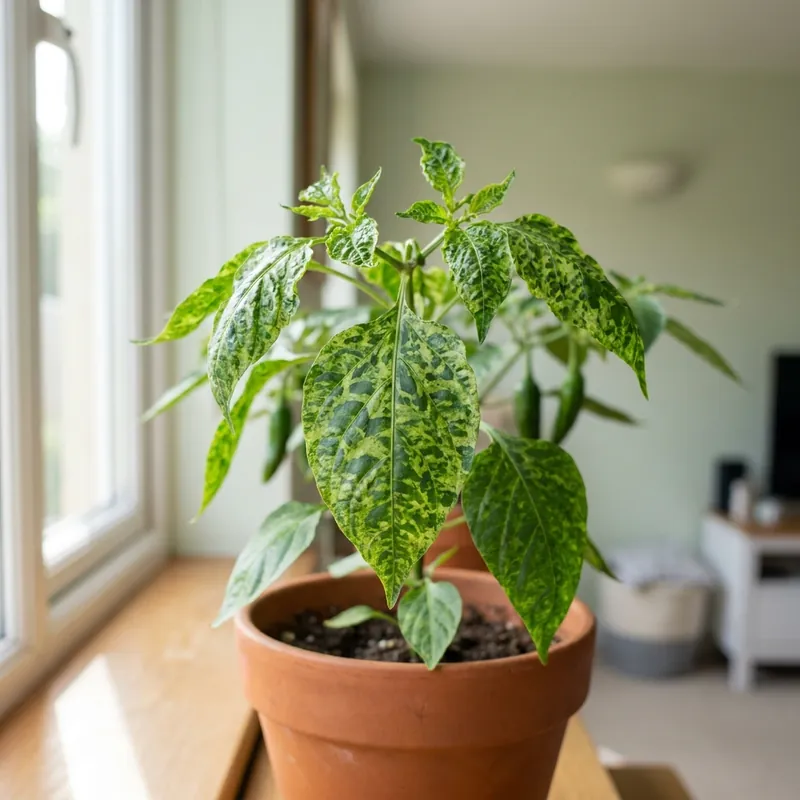
Virus
Mosaic virus
Mottled light and dark patches in a mosaic pattern, with distorted new growth. Spread by sap-sucking insects and dirty tools.
-
Virus
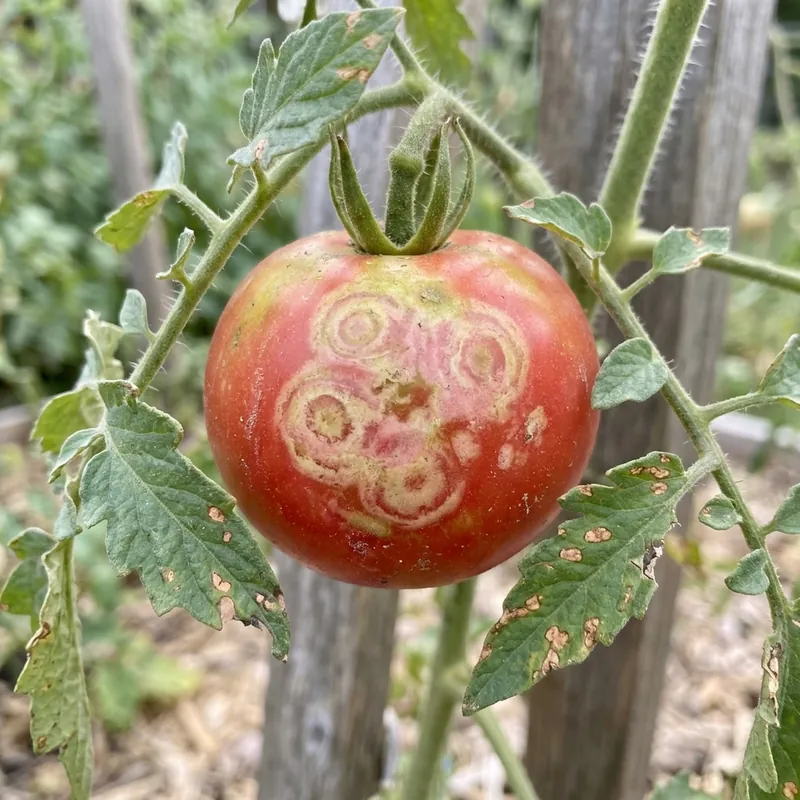
Tomato spotted wilt
Bronze, brown or yellow rings and spots on leaves, and pale rings or blotches on fruit, on tomatoes, peppers, dahlias and impatiens. Thrips carry the virus from plant to plant.
-
Virus
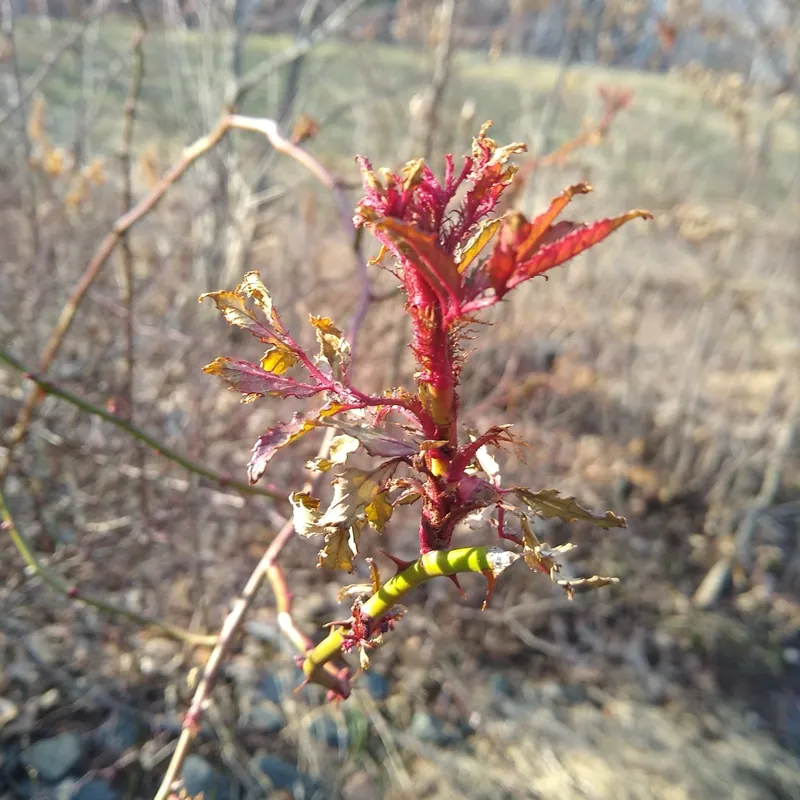
Rose rosette
New shoots grow thick, red and crowded with soft thorns, bunching into witches' brooms, and flowers come out deformed. Tiny mites spread the virus, mainly in North America; there is no cure.
-
Bacteria
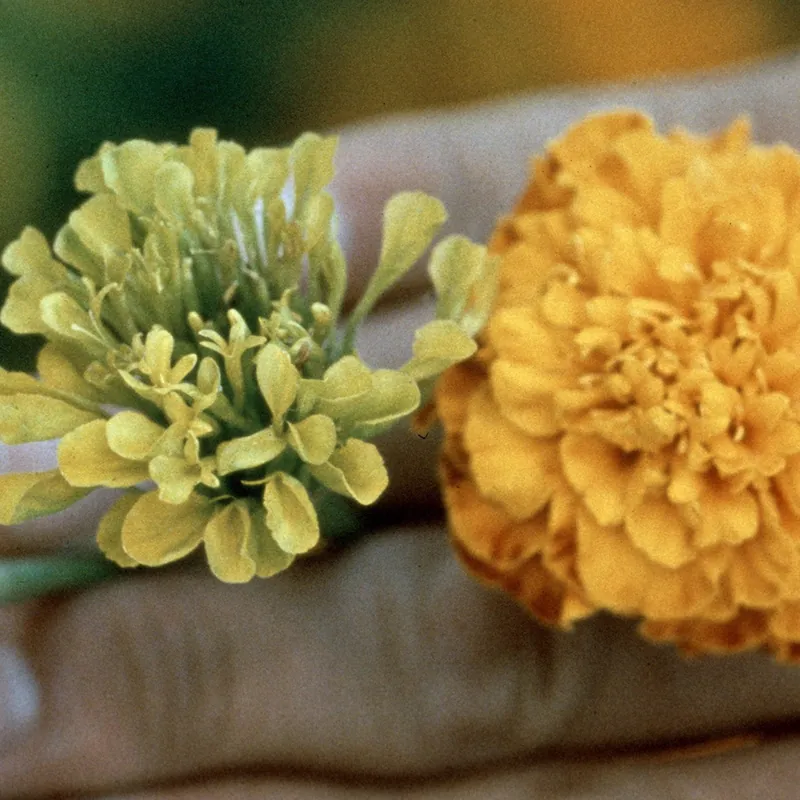
Aster yellows
Leaves yellow, shoots bunch up and flowers stay green and misshapen, often with tufts sprouting from coneflower heads. Carrots turn bitter and hairy. Leafhoppers spread it; there is no cure.
Usually harmless
-
Fungus
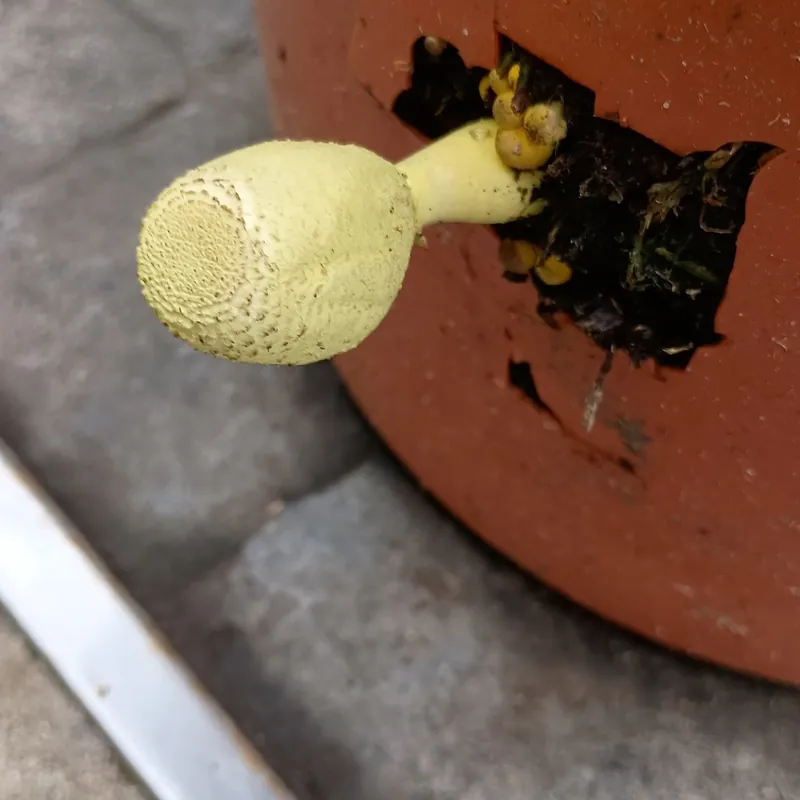
Mushrooms in houseplant pots
Small yellow or pale mushrooms in a pot feed on dead matter in the compost and do the plant no harm. They show the soil is warm and damp.
-
Fungus
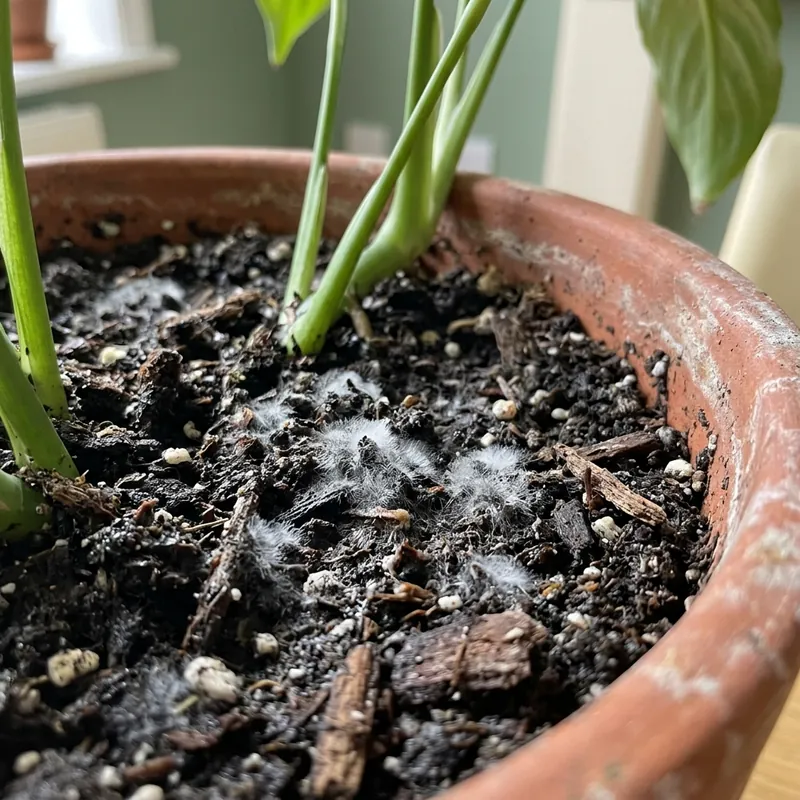
Mold on houseplant soil
A white, fluffy or cobweb-like mold on the compost surface. It feeds on dead matter and doesn't harm the plant, but shows the soil stays damp and the air still.
-
Fungus
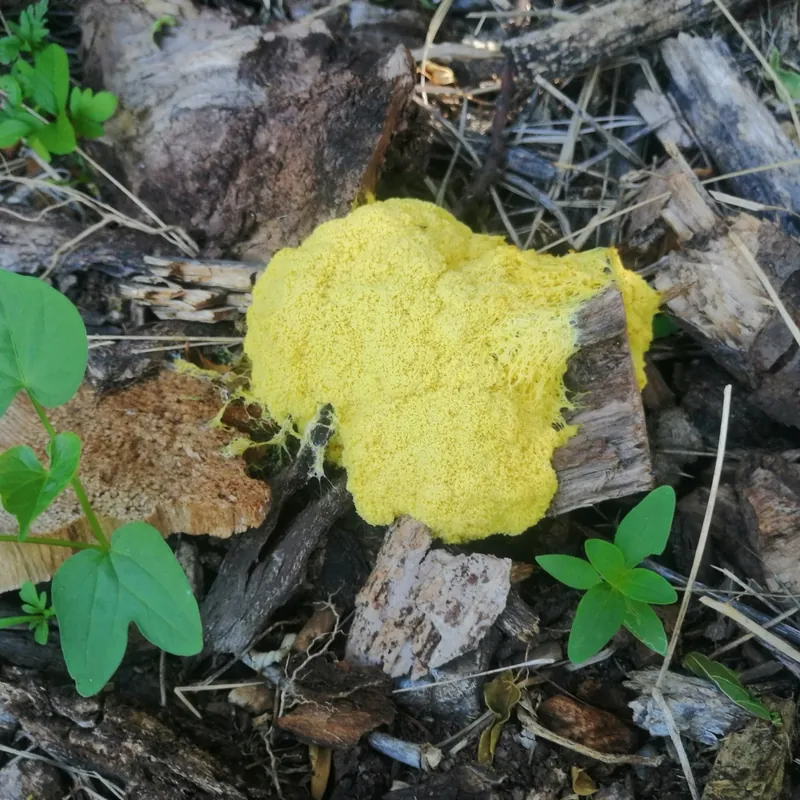
Slime mold
Bright yellow foam on bark mulch, or gray crusty patches over grass blades and stems, appearing after warm rain. Slime molds feed on bacteria and decay, and are harmless.
-
Growing conditions
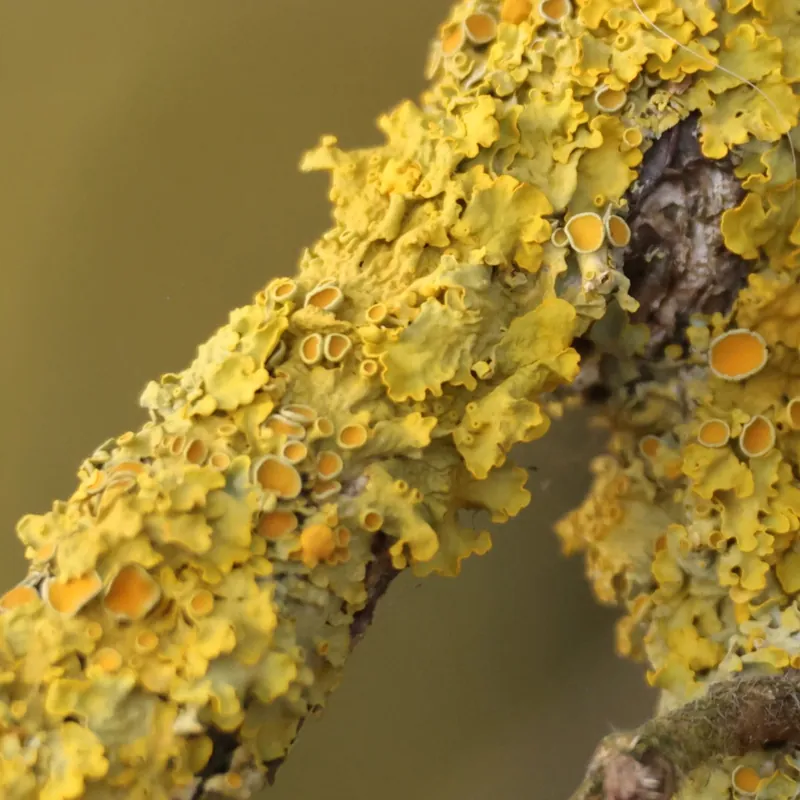
Lichen and moss
Gray or yellow lichen crusts and tufts, and soft green moss, on bark, branches and pots. Both only sit on the surface and do no harm; lichen often shows clean air.
-
Pest
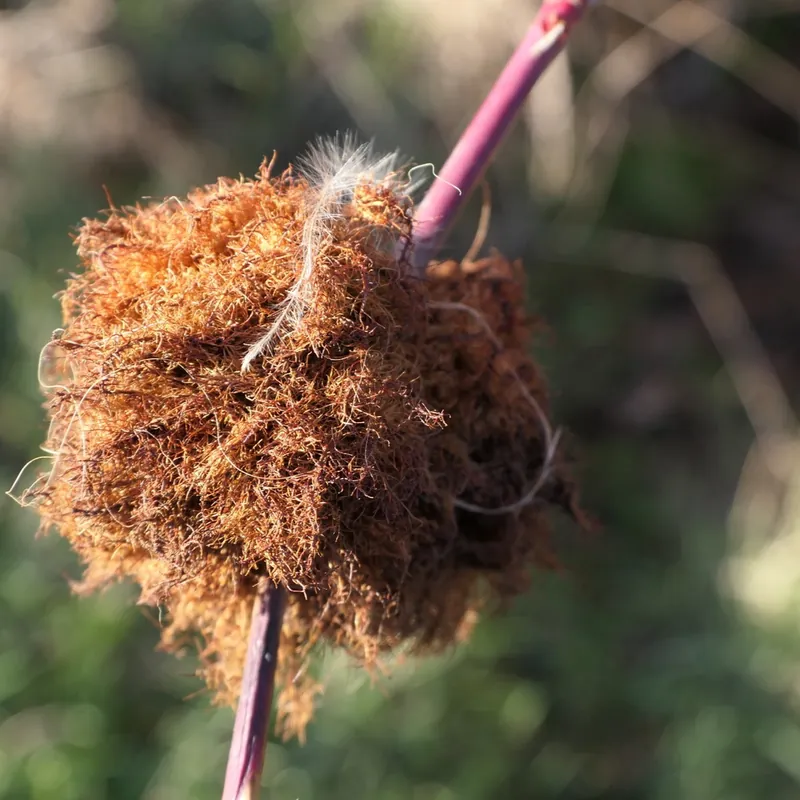
Plant galls
Lumps, balls or pimples on leaves, buds and stems, made by tiny wasps, midges and other insects. Oak apples and the mossy rose bedeguar are common. Nearly all are harmless.
-
Pest
Gall mites
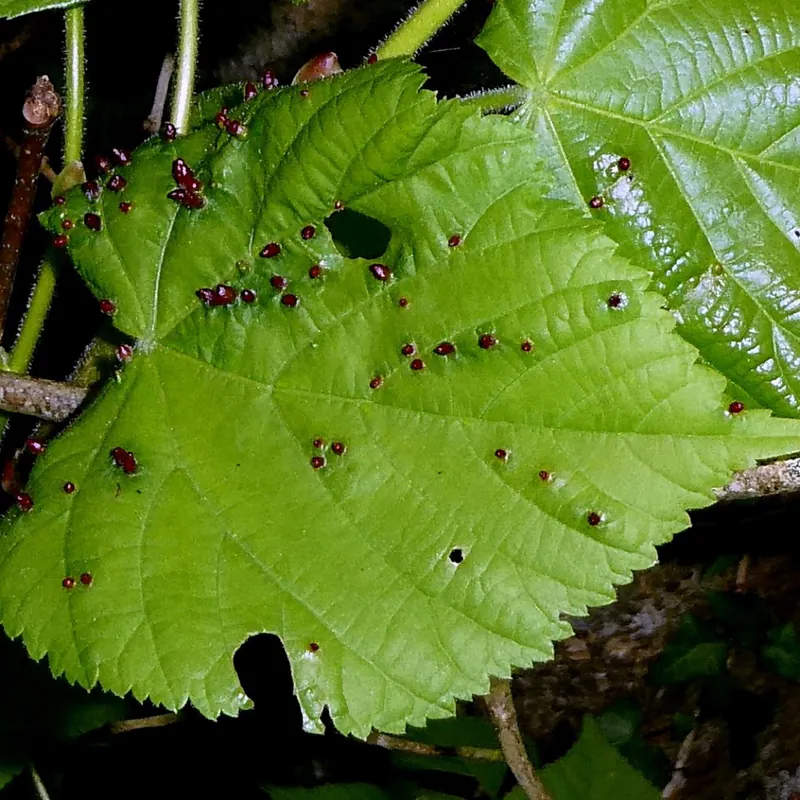
Mites too small to see make felty patches, pimples or nail-shaped galls on the leaves of lime, maple, walnut and others. These are harmless; fuchsia gall mite and blackcurrant big bud mite do real damage.
-
Pest
Leafcutter bees
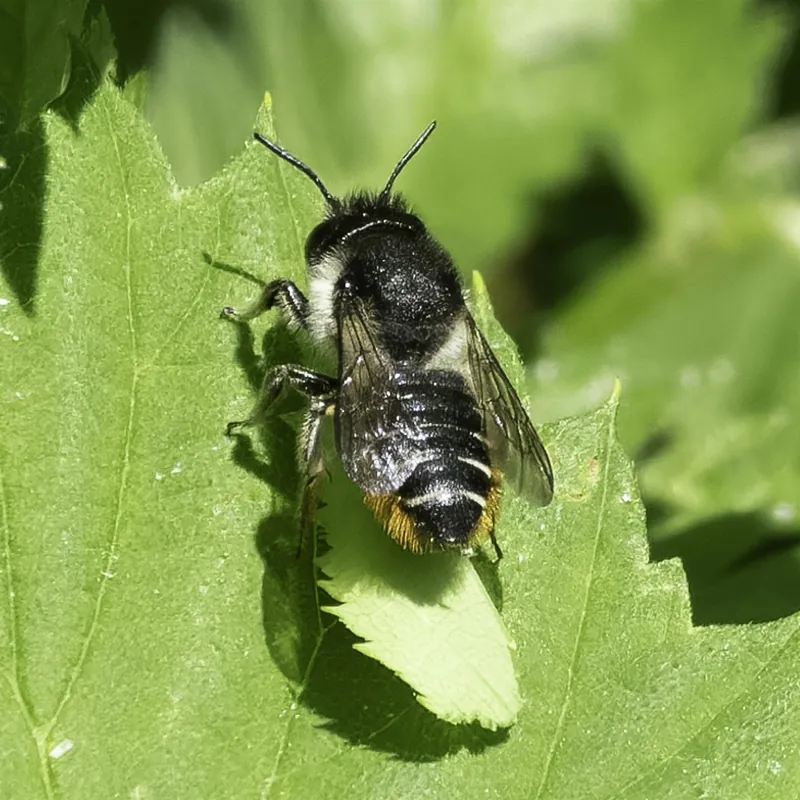
Neat semicircles cut from the edges of rose, wisteria, lilac and other leaves. Solitary bees carry the pieces off to line their nests. They are harmless, and they pollinate your flowers.
-
Natural aging
Cactus corking
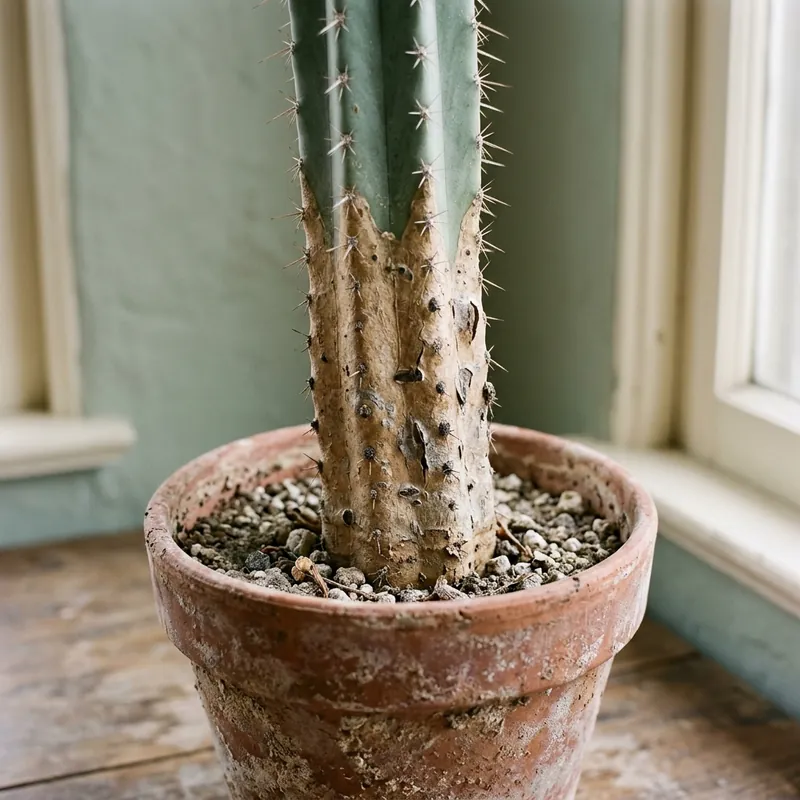
Hard, dry, tan or brown skin spreads up from the base of older cacti, like bark. It is natural ageing and harmless; corking feels firm, while rot is soft.
-
Natural aging
Reverted variegation
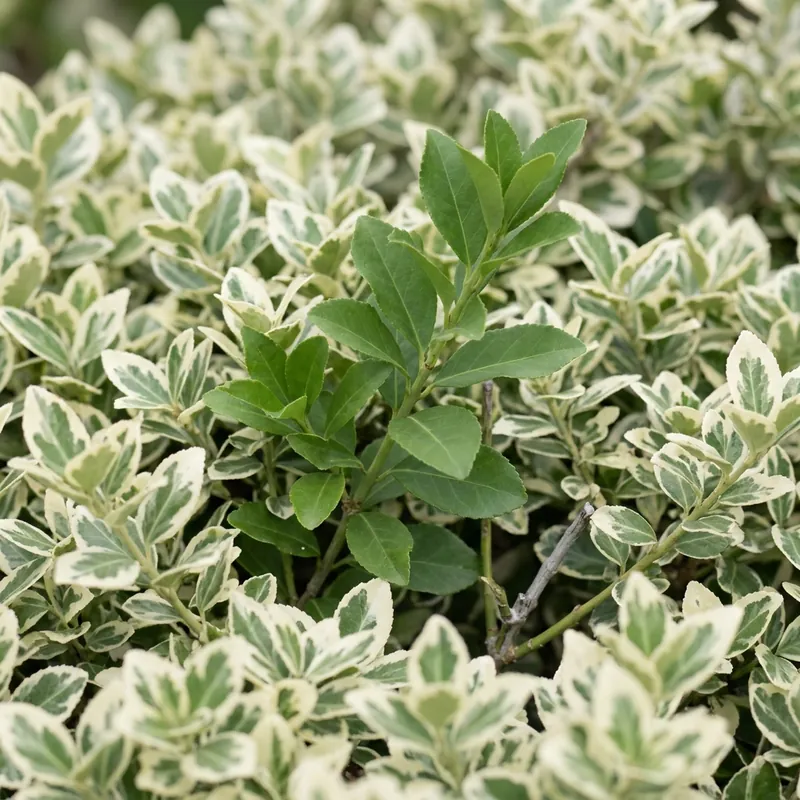
Shoots with plain green leaves appear on variegated plants such as euonymus, ficus, maples and pothos. Green leaves grow faster, so left alone they take over the plant.
-
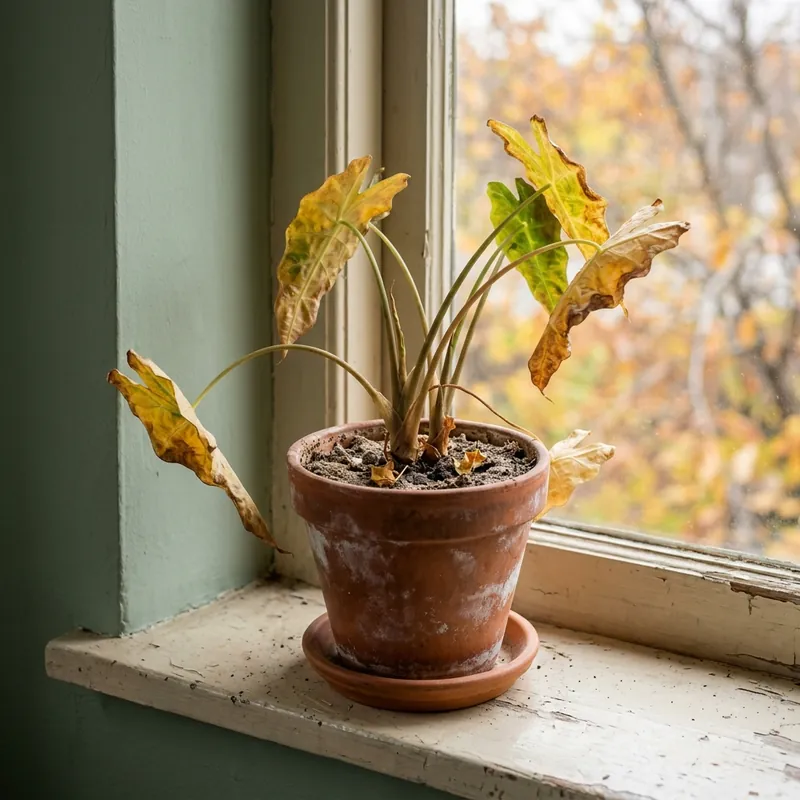
Natural aging
Plant dormancy
Alocasia, caladium, cyclamen, tulips and many perennials let all their leaves yellow and die back to rest for a season. This is natural and harmless; the bulb or roots stay alive.
-
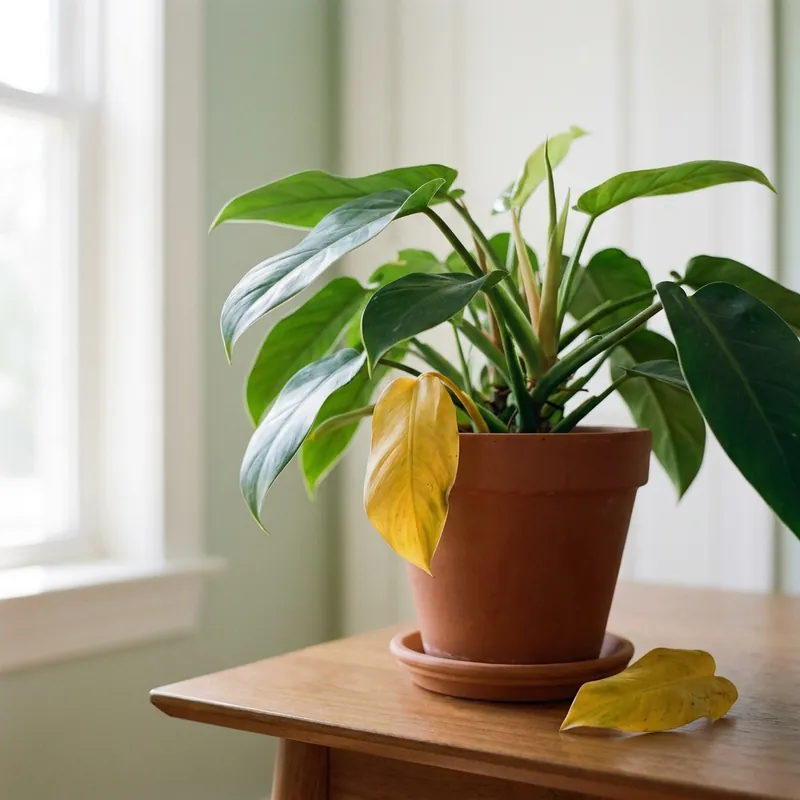
Natural aging
Natural leaf drop
The oldest, lowest leaves yellow and fall while new growth looks healthy. This is the plant reallocating resources, not a problem.
Fruit and flower troubles
-
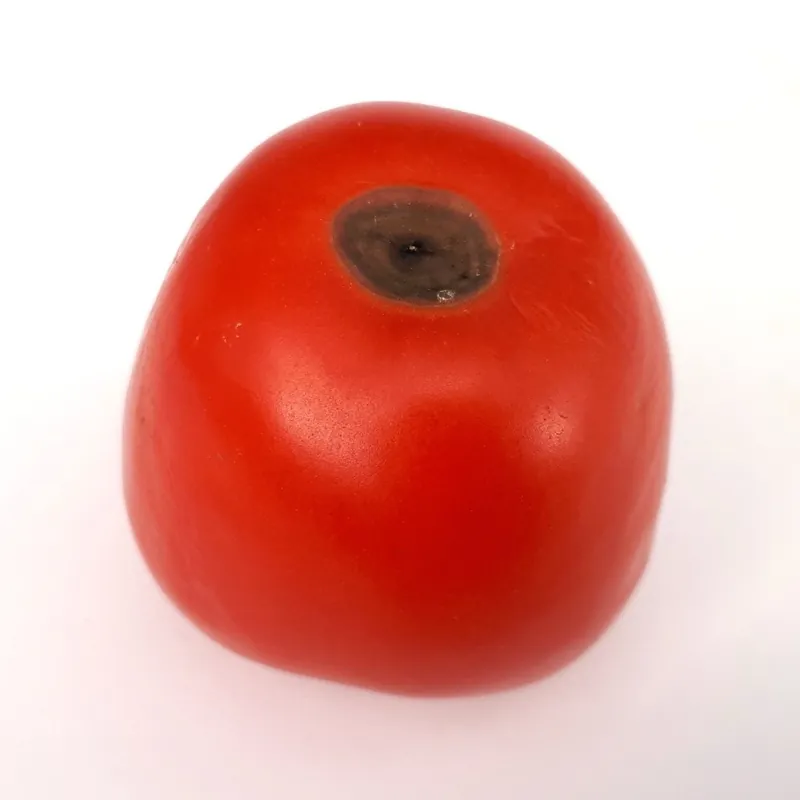
Watering
Blossom end rot
A sunken, leathery brown or black patch on the bottom of tomatoes, peppers or courgettes. Uneven watering stops calcium reaching the fruit; the soil usually has plenty.
-
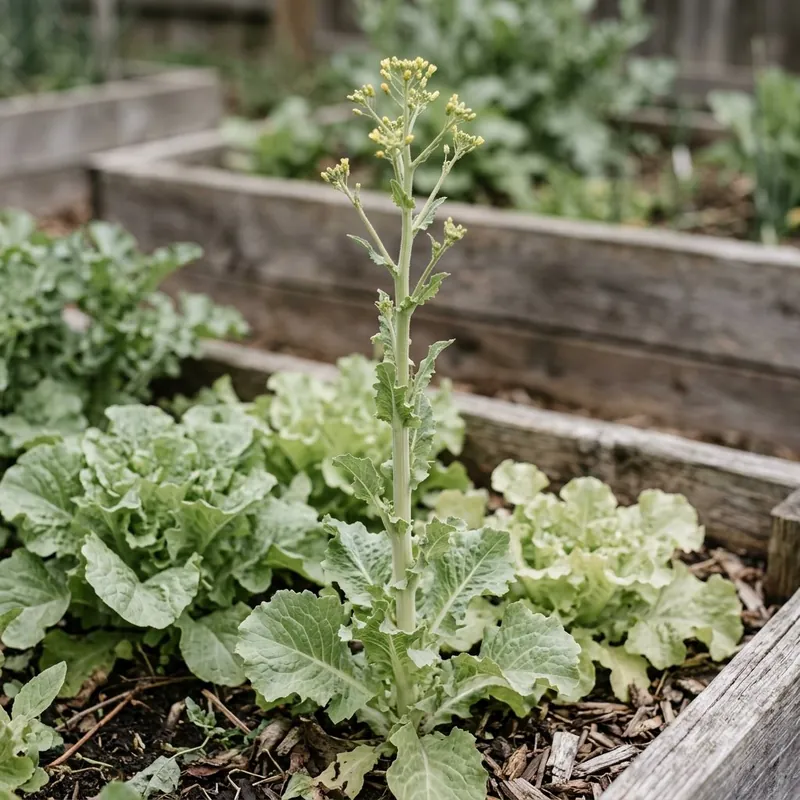
Natural aging
Bolting
Lettuce, spinach, coriander, onions or beetroot suddenly send up a tall flower stem, and the leaves turn bitter and tough. Heat, dry soil, long days or a cold snap trigger it.
-
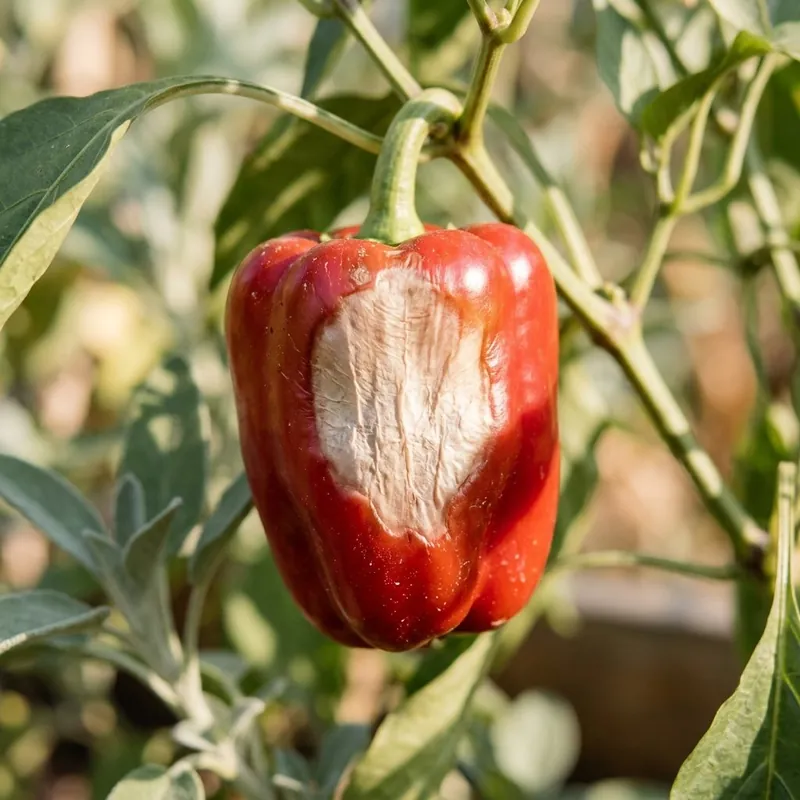
Light
Sunscald on fruit and bark
Pale, papery patches on the sunny side of tomatoes, peppers or apples, or cracked dead bark on young trees. It follows sudden exposure, like heavy pruning or leaf loss.
-
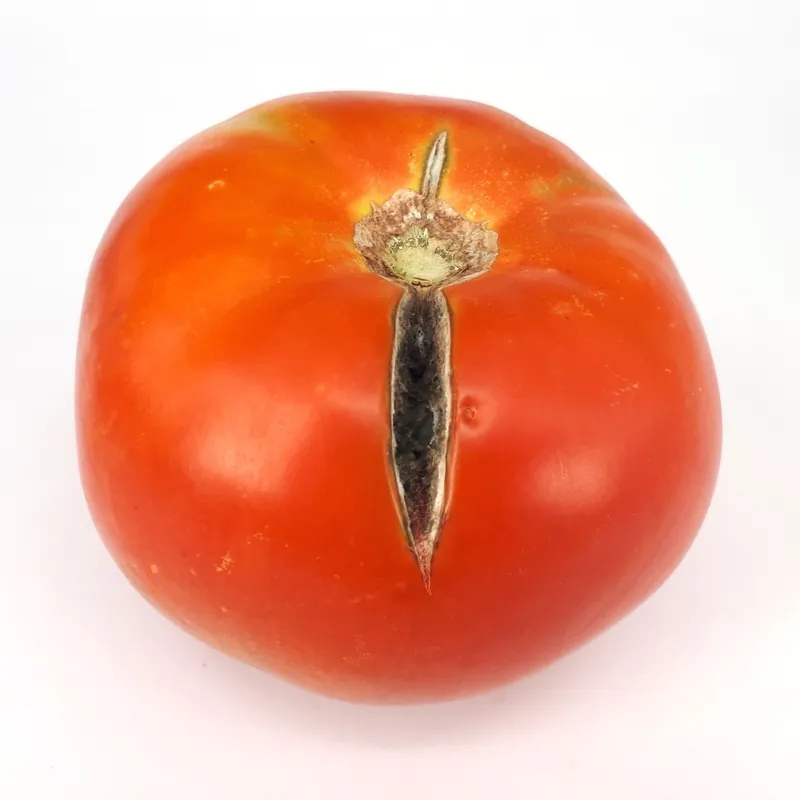
Watering
Fruit cracking
Tomatoes, cherries and plums split when heavy rain or a big watering follows a dry spell, and the fruit swells faster than its skin can stretch. Split fruit soon rots or draws wasps.
-
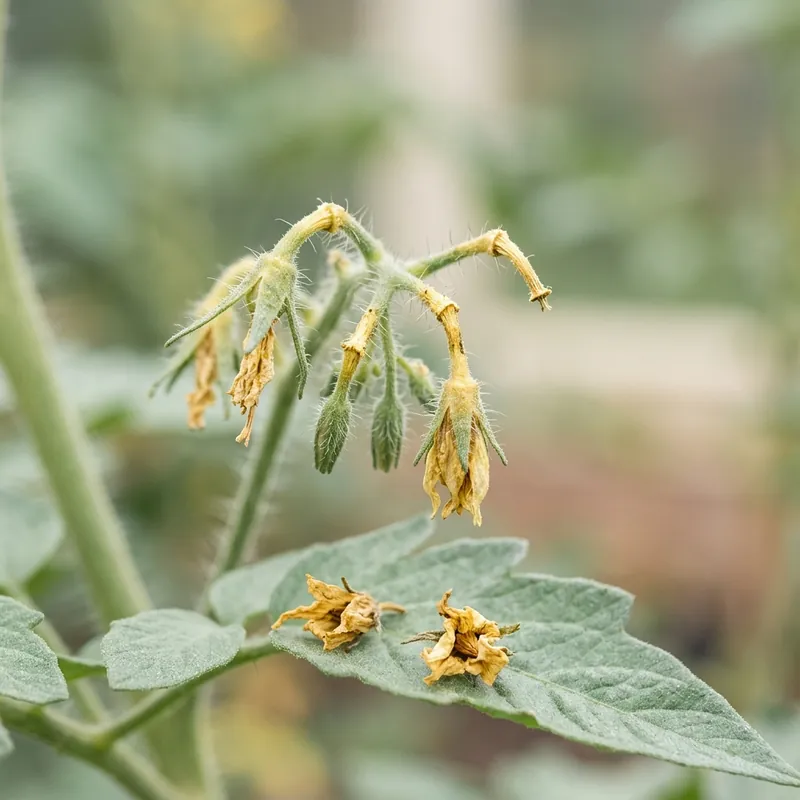
Growing conditions
Blossom drop
Flowers on tomatoes, peppers and beans fall off without setting fruit. Heat, cold nights, dry soil or poor pollination cause it, and plants usually set again once the weather settles.
-
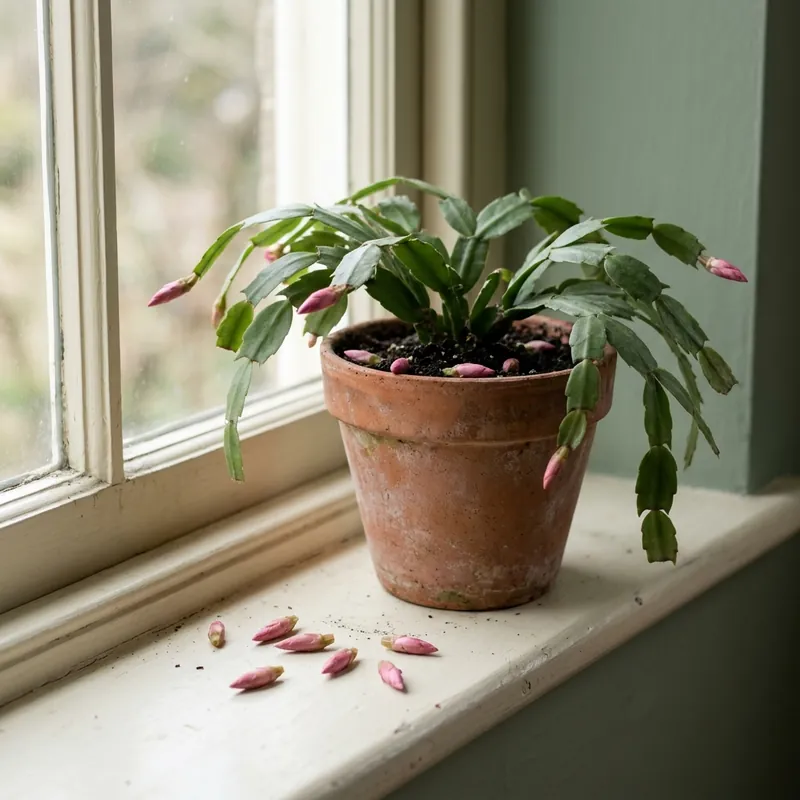
Growing conditions
Bud drop
Flower buds yellow and fall before they open, on Christmas cactus, gardenia, hoya or hibiscus. A move, a draft, dry air, or soil that dries out or stays wet sets it off.
Light, food and climate
-
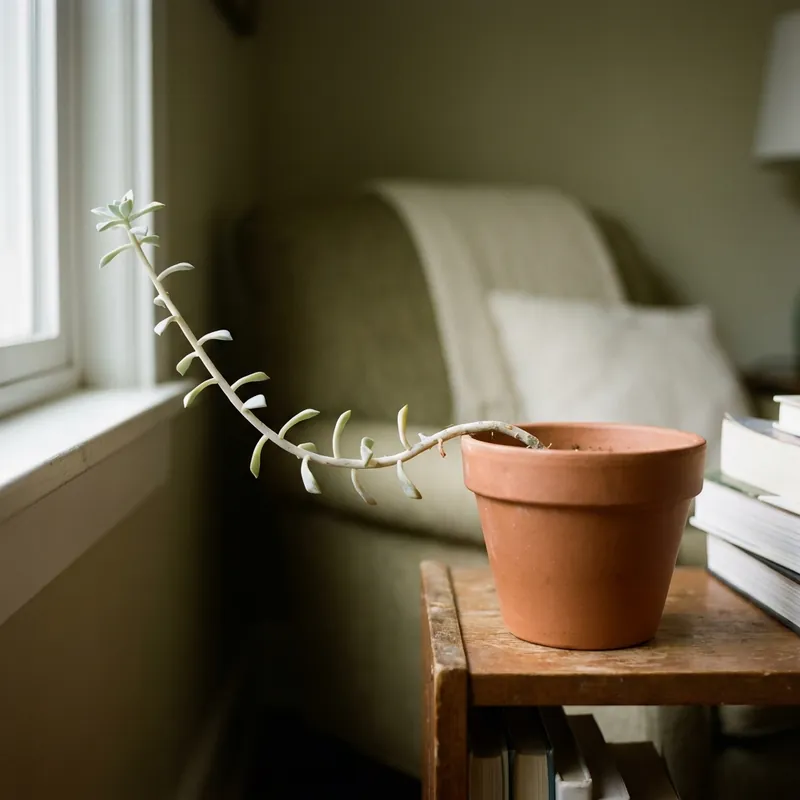
Light
Not enough light
Long stretched stems reaching toward a window, wide spacing between leaves, and new leaves smaller than old ones.
-
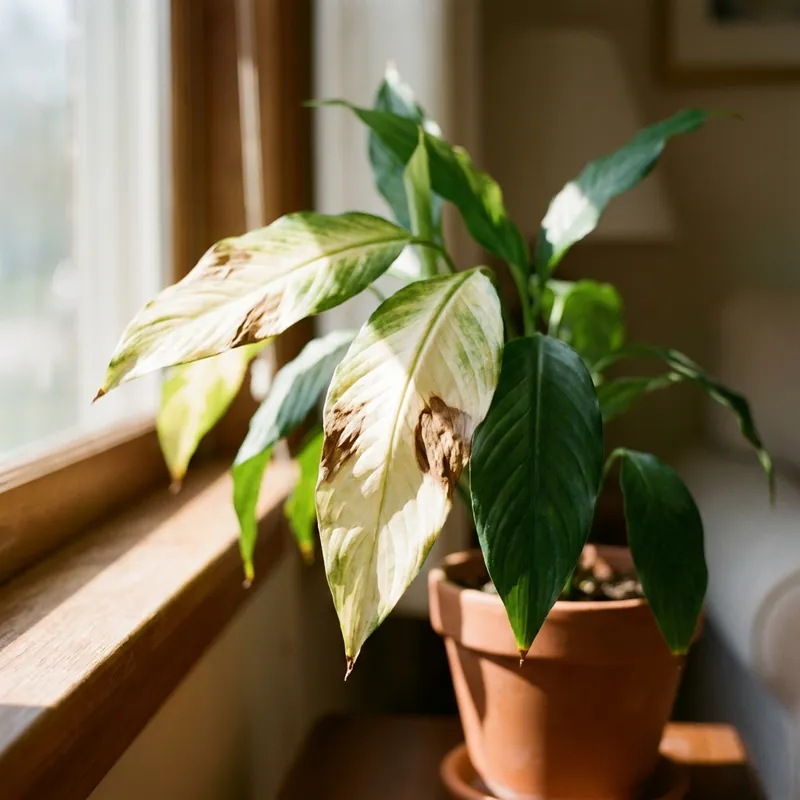
Light
Too much direct sun
Bleached pale patches or crisp brown scorching, usually on the side facing the window.
-
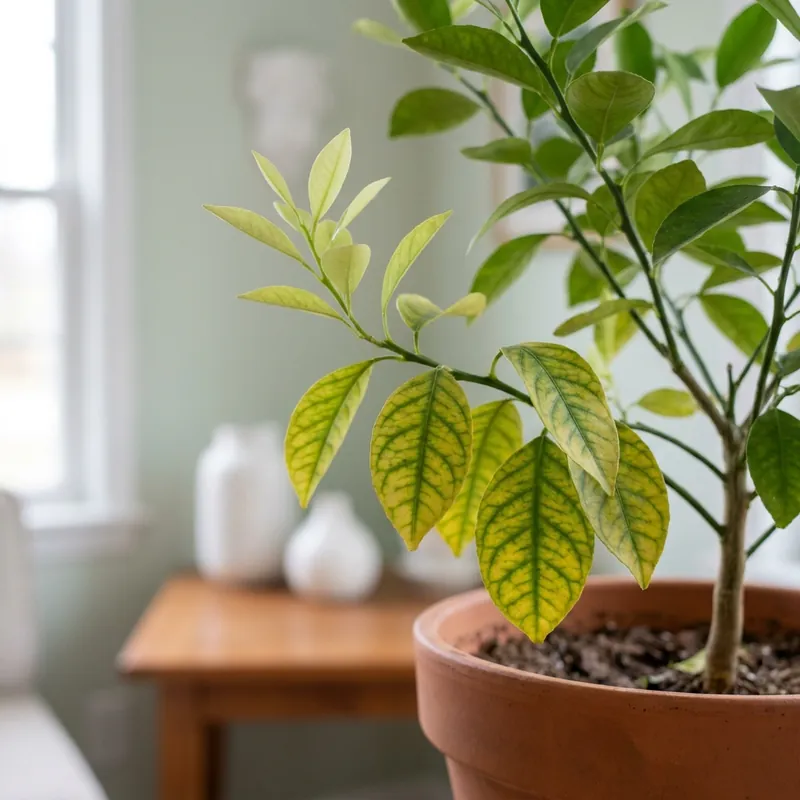
Nutrients
Nutrient deficiency
Older leaves yellowing while veins stay green, and growth slowing. Common in plants left in the same soil for years.
-
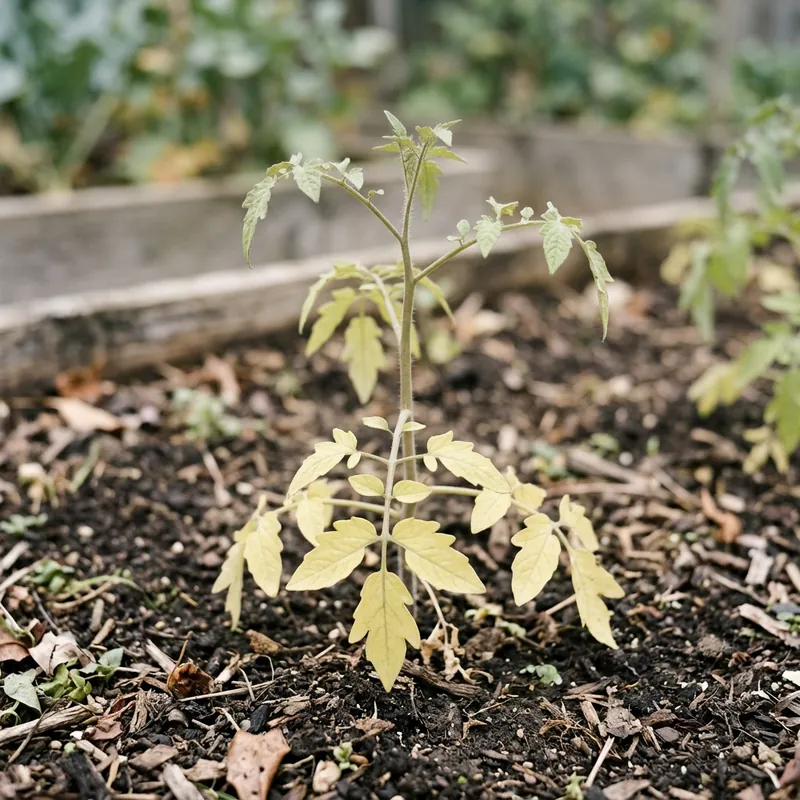
Nutrients
Nitrogen deficiency
Older, lower leaves turn evenly pale green to yellow, veins included, and new growth is small and slow. Common in pots left unfed and in vegetable beds on poor soil.
-
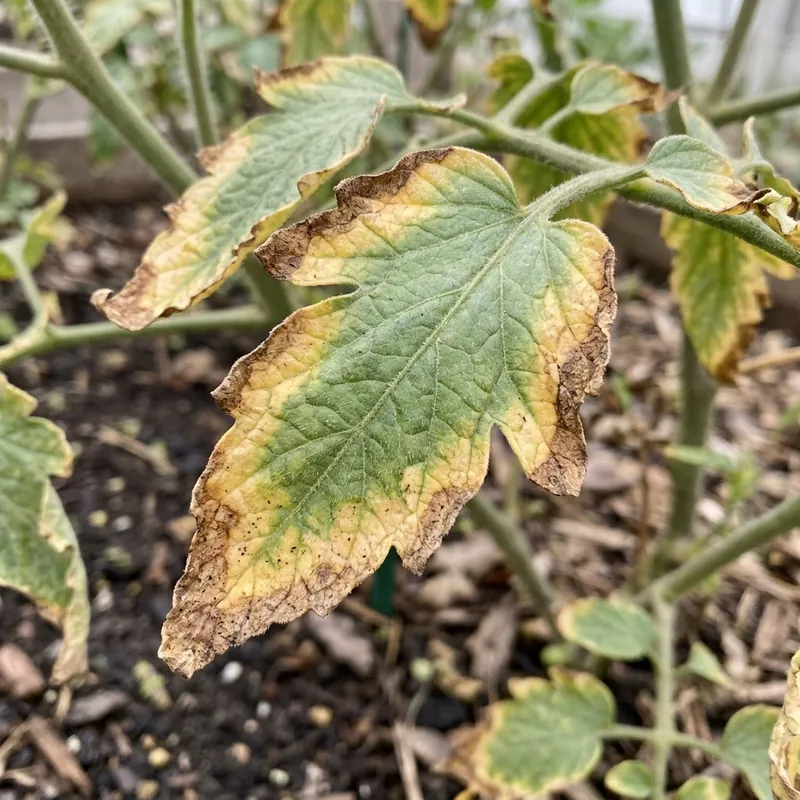
Nutrients
Potassium deficiency
Older leaves turn yellow at the edges, then brown and crisp as if scorched. Flowers and fruit are few and small, and tomatoes ripen unevenly. Common on light, sandy soil.
-
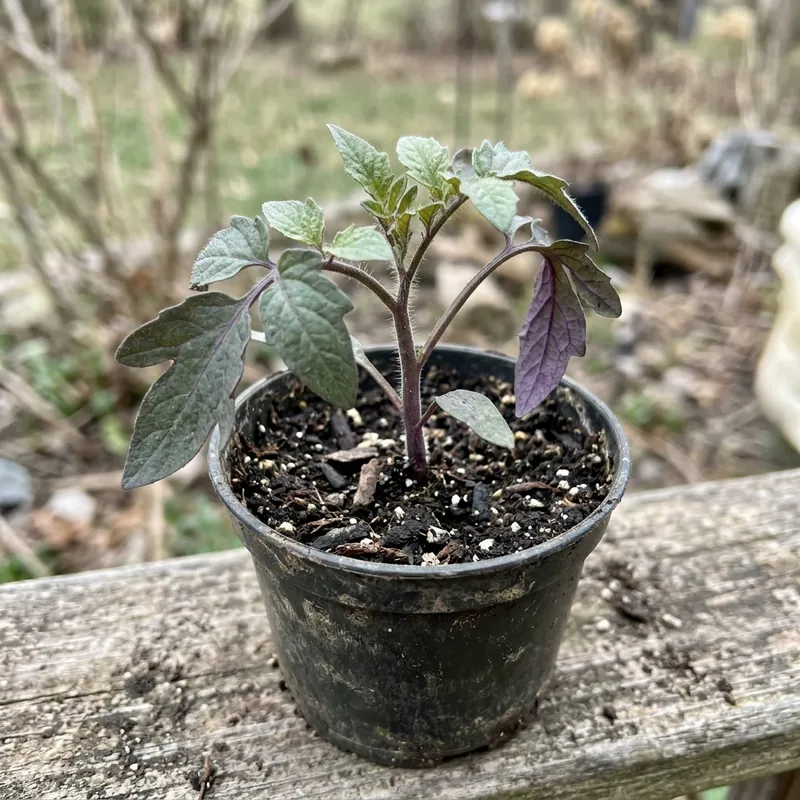
Nutrients
Phosphorus deficiency
Older leaves turn dull dark green with a purple or bronze tint, often underneath, and plants and roots stay small. Most common in cold, wet soil in spring.
-
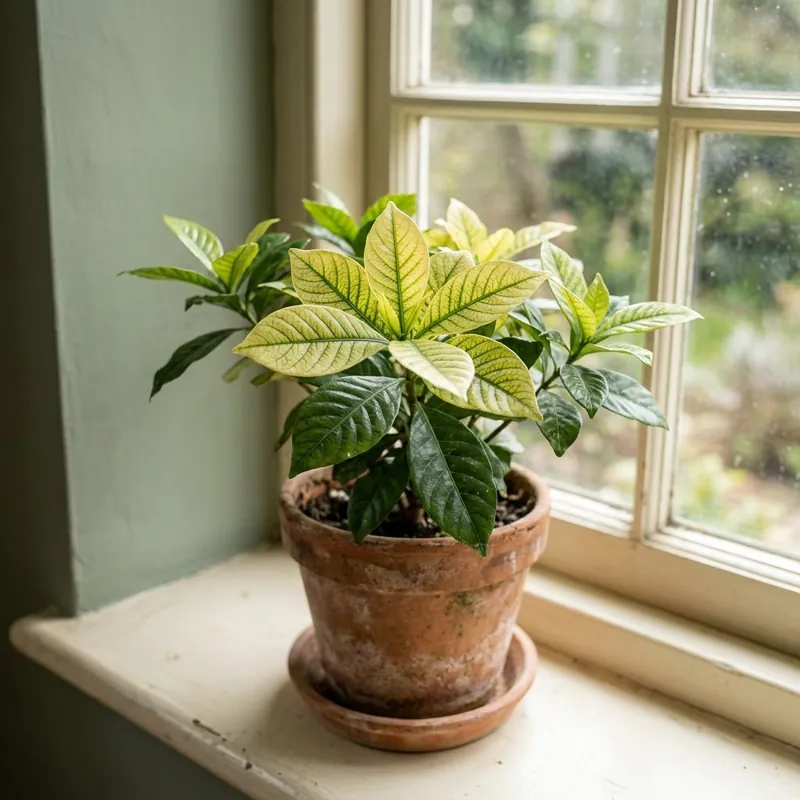
Nutrients
Iron deficiency
The youngest leaves turn pale yellow while their veins stay sharply green. Alkaline soil or hard tap water locks the iron away. Blueberries, azaleas and citrus suffer most.
-
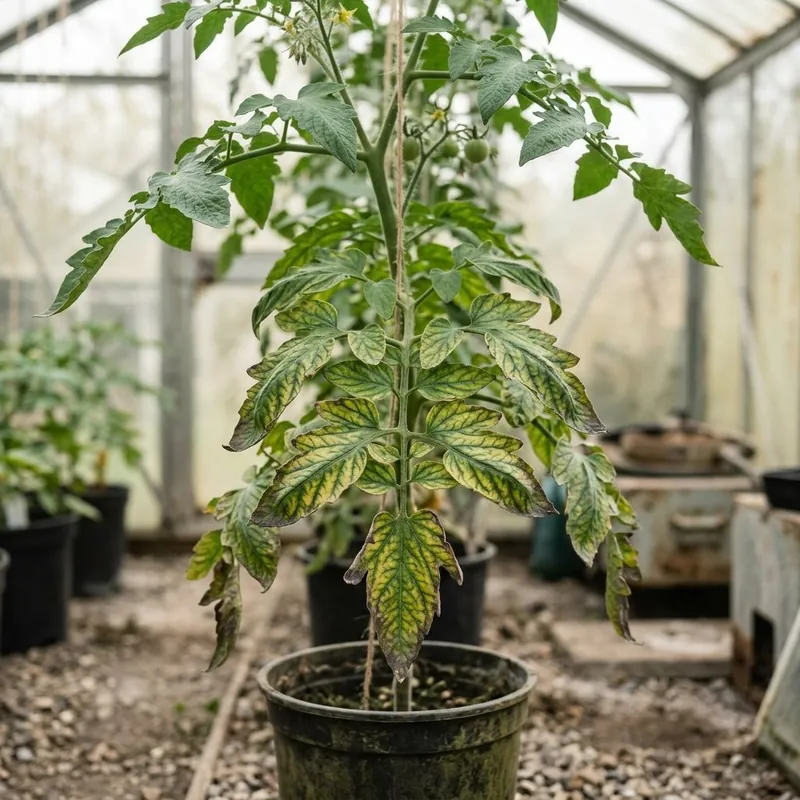
Nutrients
Magnesium deficiency
Older, lower leaves turn yellow between the veins while the veins stay green, sometimes with reddish purple blotches. Common on tomatoes given lots of high potash feed.
-
Nutrients
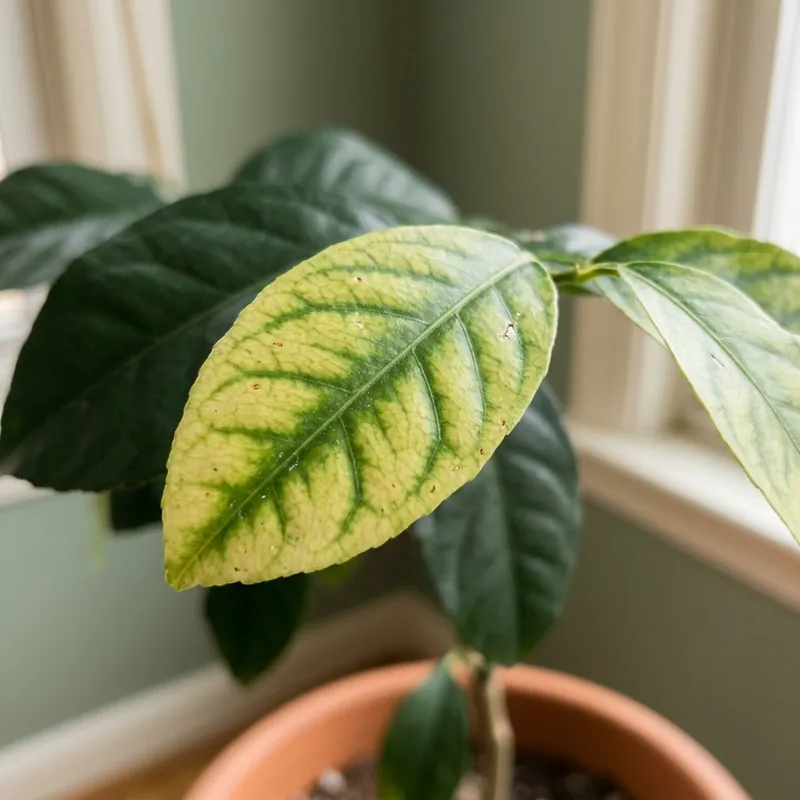
Manganese deficiency
Younger and middle leaves turn pale yellow between the veins, with a broad green band along each vein and sometimes small brown specks. Common on alkaline, chalky or over-limed soil.
-
Nutrients
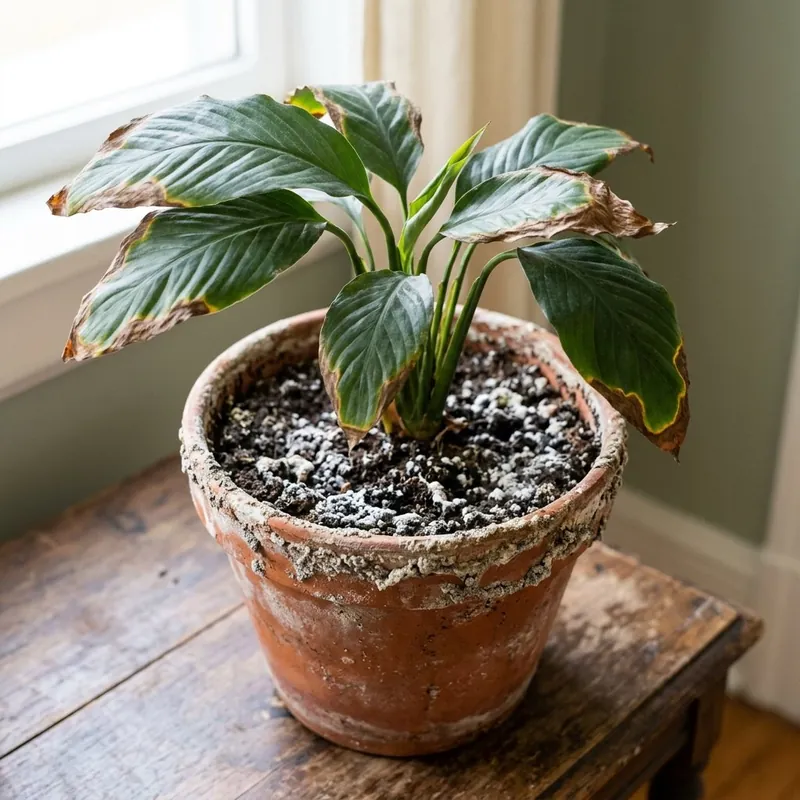
Fertilizer burn
Brown, crisp leaf tips and edges, wilting in damp soil and a white crust on the compost or pot rim. Too much fertilizer leaves salts that pull water out of the roots.
-
Watering
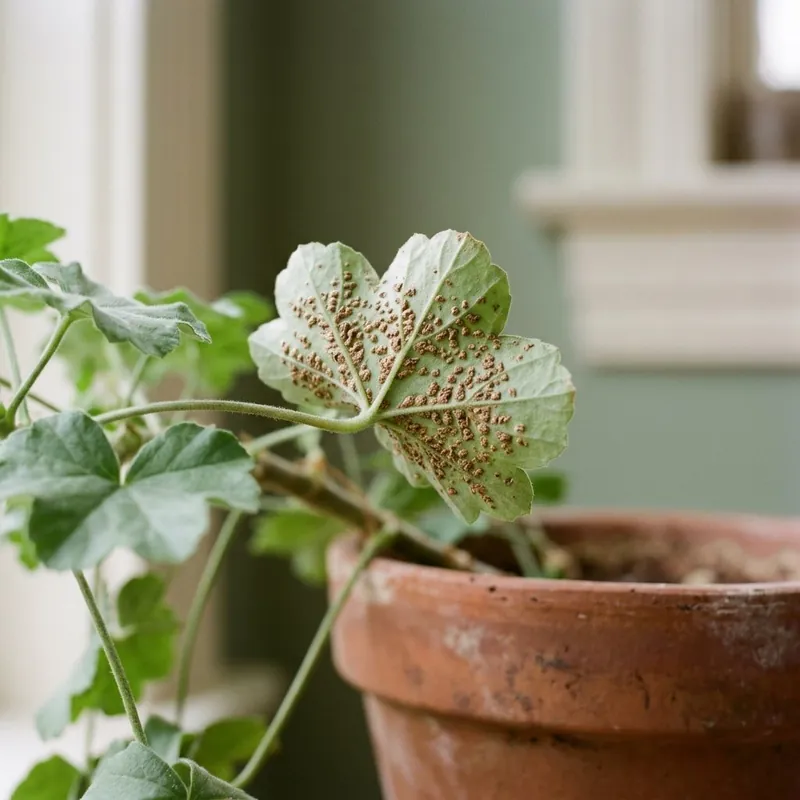
Edema
Small watery blisters on leaf undersides that turn brown and corky. Roots take up water faster than leaves lose it, in cool, humid, dull weather. Common on pelargoniums.
-
Growing conditions
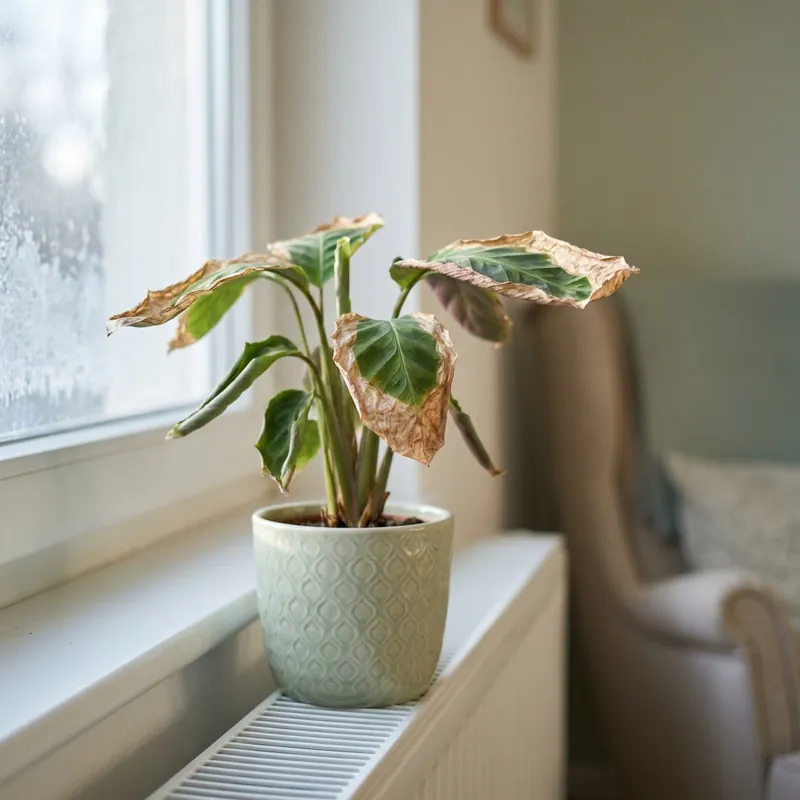
Low humidity
Crisp brown edges and tips, especially in winter with heating on. Tropical plants suffer most.
-
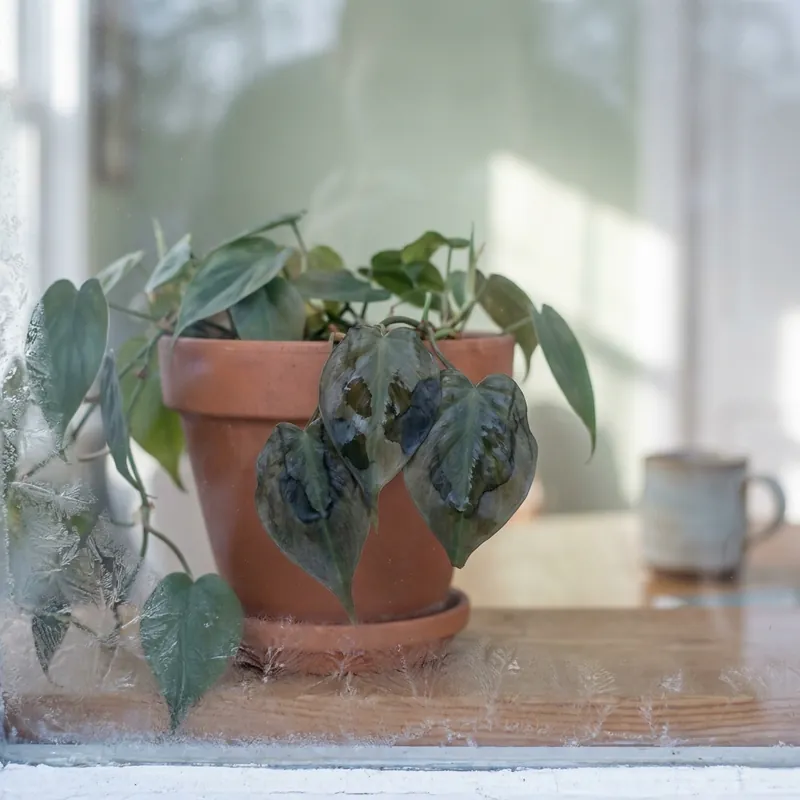
Growing conditions
Cold damage
Blackened, translucent or mushy patches after cold exposure, from a drafty window or a night left outside.
-
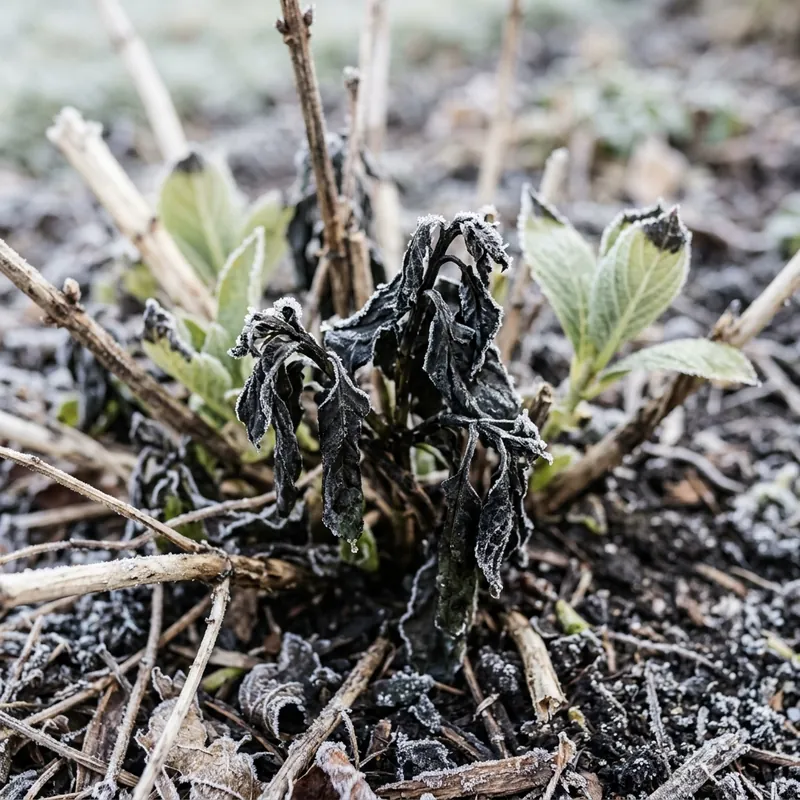
Growing conditions
Frost damage
Soft shoots and new leaves turn black, brown or limp after a frosty night, and bark can split on young trees. Tender plants and early spring growth suffer most outdoors.
-
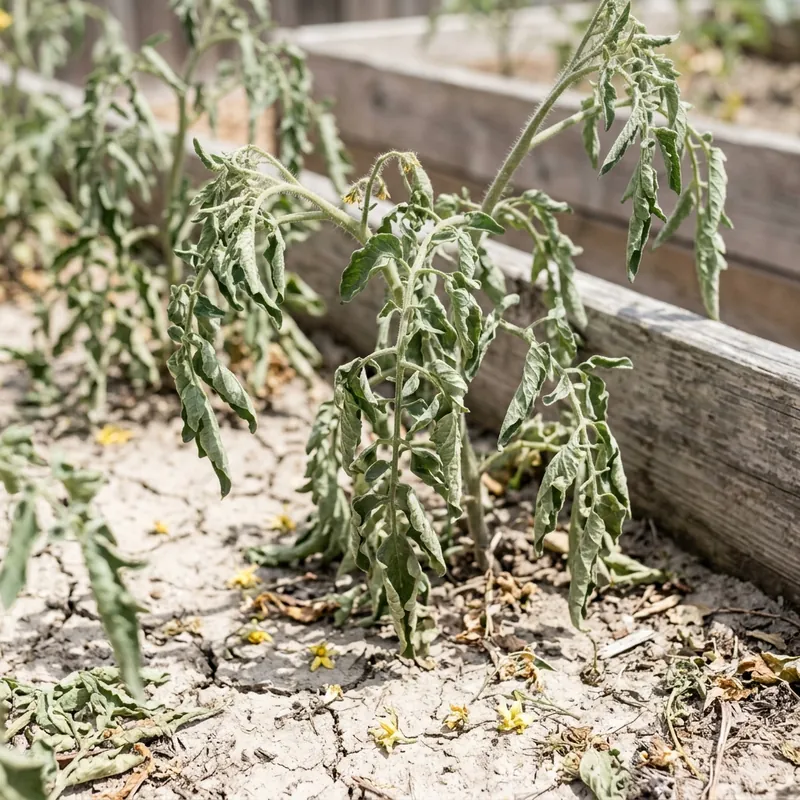
Growing conditions
Heat stress
Leaves wilt in the midday heat, curl or scorch at the edges, and flowers and young fruit drop during heatwaves. Plants usually perk up in the evening if their roots have water.
-
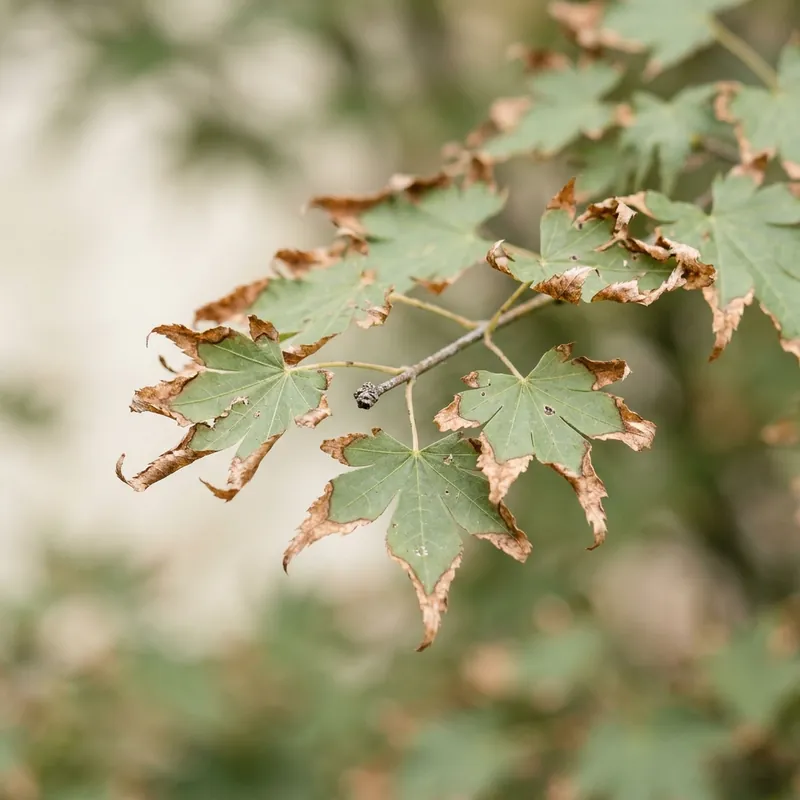
Growing conditions
Leaf scorch
Brown, dry edges on the leaves of trees and shrubs such as Japanese maples and horse chestnuts. Wind, sun, drought or damaged roots starve the leaves of water. It is not a disease.
-
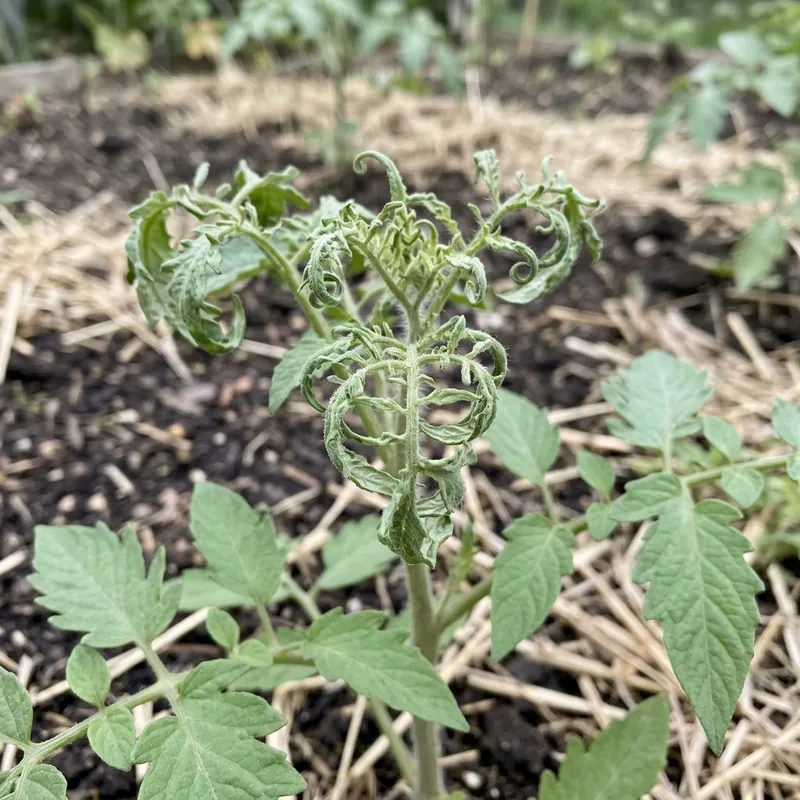
Growing conditions
Herbicide damage
New leaves curl, cup and twist, or grow narrow and fern-like, on tomatoes, beans and potatoes. Weedkiller drift does it, and so do manure or compost carrying weedkiller residues such as aminopyralid.