Phosphorus deficiency in plants: purple leaves and slow growth
Phosphorus deficiency in plants shows as older leaves turning a dull, dark green with a purple or bronze tint, often strongest on the undersides. Young tomatoes, sweet corn and other tender plants show it most in spring, when the soil is still cold and wet. In most gardens the soil has enough phosphorus, and the plants green up on their own once the ground warms.
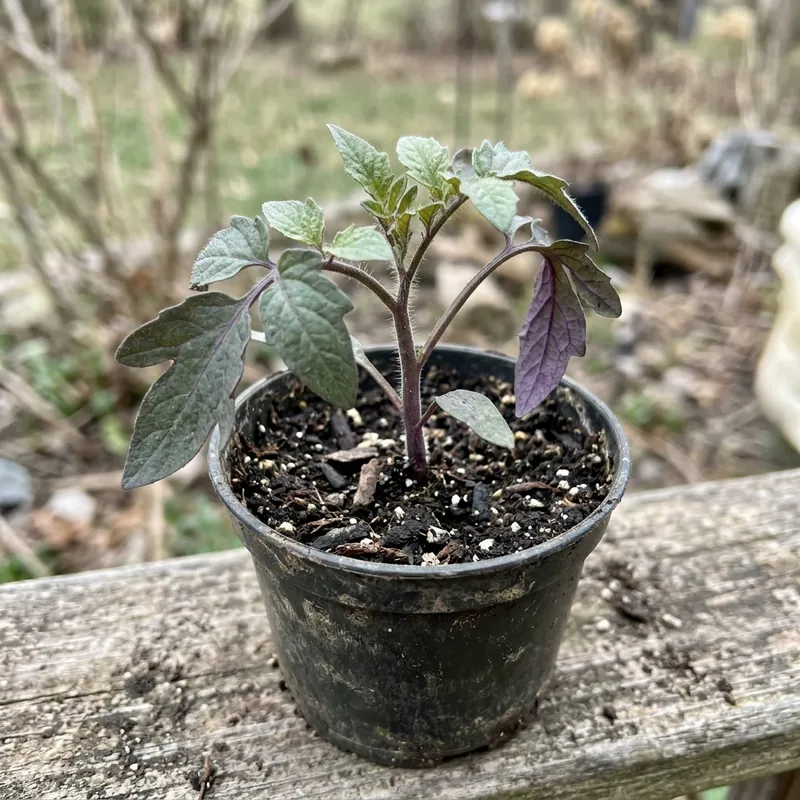
Short answer: If young plants have dark green older leaves with a purple tint underneath and are slow to grow, cold soil is usually holding back their phosphorus uptake. Wait for warmer weather before you do anything, and the new leaves usually come in green. Only feed with a balanced fertilizer if the problem lasts into summer, and test the soil before adding any phosphate.
What it looks like
- Older, lower leaves turning dull dark green with a purple or bronze tint
- Purple color strongest on the leaf undersides and along the veins
- Small plants that sit still and barely grow
- Weak root growth when you check a transplant
- Flowering that starts late or not at all
- Symptoms appearing in early spring, after planting into cold or wet soil
Is it phosphorus deficiency or something else?
| Could also be | How to tell |
|---|---|
| Transplant shock | Plants set out from a warm indoor spot into cold ground can turn purple from the shock alone. It shows within days of planting and fades as roots settle in. |
| Magnesium deficiency | Magnesium shortage also starts on older leaves and can bring reddish purple blotches, but the leaf turns yellow between green veins. Phosphorus shortage keeps the leaf dark green, with the purple tint spread across it. |
| Nitrogen deficiency | Nitrogen shortage turns older leaves evenly pale green to yellow. Phosphorus shortage makes them darker, with a purple cast. |
Why it happens
Phosphorus doesn't wash out of the soil easily, so a true shortage is uncommon in gardens that have been worked and fed for years. The usual problem is uptake. Cold, wet soil slows root growth, and roots in heavy clay or waterlogged potting mix take up phosphorus poorly, especially in cool weather.
Warm-season crops planted out too early suffer most. The RHS names young tomatoes and sweet potatoes, and UConn Extension calls cold soil the most common look-alike for phosphorus deficiency. Very acidic or very alkaline soil can also make phosphorus harder for roots to use.
How to fix it
- Wait for warmer weather first. Young plants usually green up by themselves as the soil warms. Give them a few weeks of warm weather and watch the new leaves, which tell you more than the old purple ones.
- Warm the bed before planting out. Lay row cover fabric over the bed, or set cloches over planting spots, for a while before you plant. Warmer soil gets young roots growing straight away.
- Hold tomatoes and sweet corn back. Keep warm-season crops in their pots until the soil has warmed and the nights are mild. A plant set out a little later into warm soil soon overtakes one that sat cold.
- Improve heavy or soggy soil. Mulch beds with compost or other organic matter to open up heavy clay over time. In pots, check that water drains freely and the plant isn't sitting in a saucer of water.
- Feed only if it lasts into summer. If leaves are still purple once the weather is warm, use a balanced fertilizer and follow the label. Test the soil before you reach for a high-phosphate fertilizer.
Watch out: Many garden soils already hold plenty of phosphorus, and too much harms soil life and pollutes streams. Test the soil before you add a phosphate fertilizer.
How to prevent it
- Plant tomatoes, peppers, sweet corn and sweet potatoes only after the soil has warmed in spring
- Harden off seedlings gradually before they go outside
- Warm beds with row covers or cloches ahead of planting
- Add compost to heavy clay soil so it drains and warms better
- Get a soil test every few years instead of adding phosphate by habit
Plants it often affects
- Tomato purple undersides on lower leaves after planting into cold soil
- Sweet corn purple seedlings in cool spring weather that usually fade as it warms
- Sweet potato slow, purple-tinged growth when planted out too early
- Pepper stalls and darkens in cold ground, like tomatoes
Questions people ask
Why are my tomato seedling leaves purple underneath?
Usually because the soil or air is too cold for the roots to take up phosphorus. It is common on seedlings moved outside early. Once the weather warms, new leaves should come in green, and the plant usually catches up.
Should I add bone meal or phosphate fertilizer?
Only if a soil test shows a shortage. Most garden soils have enough phosphorus, and adding more won't fix a plant held back by cold soil. Extra phosphorus can also run off into streams.
Will purple leaves turn green again?
Lightly tinted leaves sometimes lose their purple color as the plant recovers, but older leaves may stay dark. Judge the plant by its new growth once the soil is warm.

Not sure it's phosphorus deficiency?
Take a photo in Liana and the health check names the problem and tells you what to do first. Liana also reminds you to check the soil, so watering mistakes don't start. Get Liana for iPhone.
Sources
- Royal Horticultural Society, Nutrient deficiencies
- UConn Extension Integrated Pest Management, Tomato - Phosphorous Deficiency