Silver leaf disease: how to spot it on plums and cherries
Silver leaf disease is a fungal infection that gives the leaves of plums, cherries and their relatives a silvery, metallic sheen, branch by branch. The silvered branches then slowly die. Cutting into an affected branch shows a dark brown stain in the wood, which is the surest sign.
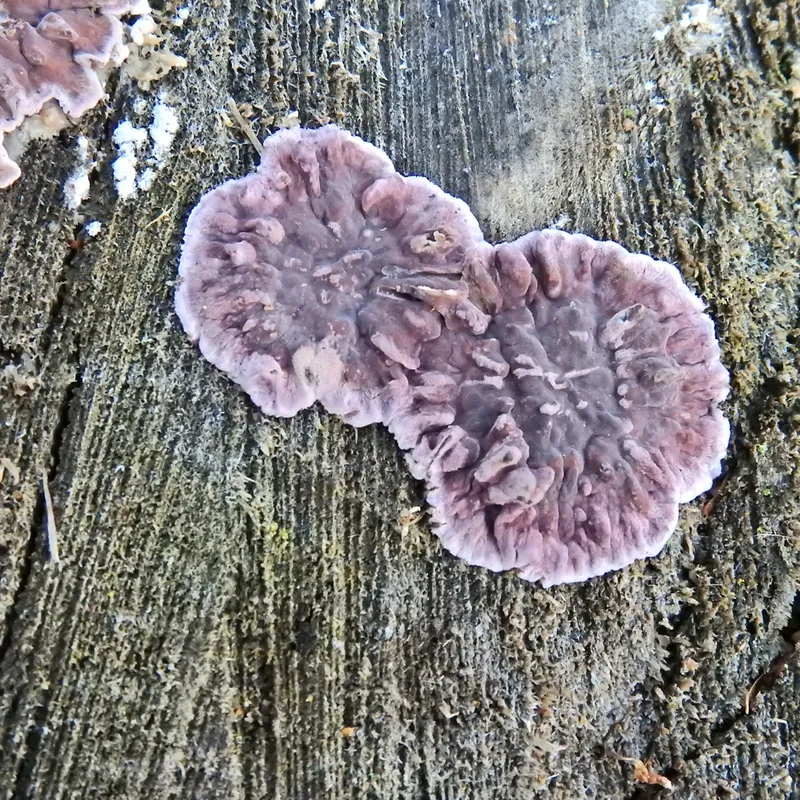
Short answer: Silver leaf is a wood-rotting fungus that gets into plum and cherry trees through wounds. The giveaway is leaves with a silvery sheen on one branch at a time, plus a dark stain in the center of the cut wood. In summer, cut silvered branches back about 6 inches beyond any stain and get rid of the wood right away.
What it looks like
- Leaves with a silvery, metallic sheen, branch by branch, most obvious on plums
- Silvering that shows in summer, often on one branch before the rest
- A dark brown stain in the center of the wood when you cut an affected branch
- Silvered branches that die back over one or more seasons
- Flat, bracket-shaped fungi on dead branches or the trunk, whitish and woolly on top and purple-brown underneath
Is it silver leaf or something else?
| Could also be | How to tell |
|---|---|
| False silver leaf | Drought, cold or hungry soil can make leaves look silvery too, often over the whole tree at once. Cut a small branch: false silver leaf has no stain in the wood. |
| Bacterial canker | Bacterial canker also kills plum and cherry branches, but it leaves sunken patches of bark oozing amber gum and small holes in the leaves. The leaves don't turn silver. |
Why it happens
Silver leaf is caused by a fungus that grows in the brackets on dead wood. They release spores, mainly in damp fall and winter weather, and the spores land in fresh wounds, most often pruning cuts. The fungus grows into the wood, staining and killing it.
The silvering itself comes from a toxin the fungus sends up in the sap, so the leaves change color well above the infected wood. The branch dies some time after the leaves start to silver.
Plums are hit hardest, along with cherries, apricots, almonds and apples. Hawthorns, roses and poplars can also get it. Pruning in fall and winter, when spores are about and wounds heal slowly, is what invites it in.
How to fix it
- In summer, cut silvered branches back past the stain. Cut a silvered branch, look at the cut end, and keep cutting back until the wood is clean. Then make the final cut about 6 inches beyond the last of the stain.
- Get rid of the wood straight away. Put the cut branches in the trash or burn them where that's allowed. Wood left lying around can grow the spore-making brackets.
- Prune plums and cherries only in summer, on dry days. Spores are fewest and cuts heal fastest in summer. Clean your pruners between cuts and trees.
- Remove the tree if brackets appear on the trunk. Purple-brown brackets on the main trunk mean the fungus is deep in the tree and will keep spreading spores. Take the tree out and remove the wood from the garden.
Watch out: Silvering with no stain in the wood is often false silver leaf, from dry or hungry soil. Check the wood before you cut a tree back hard.
How to prevent it
- Prune plums, cherries and their relatives only in summer, in dry weather
- Make clean cuts and avoid tearing bark or leaving stubs
- Clear away dead branches and stumps that could grow brackets
- Disinfect pruners between trees
- Keep trees well watered in drought and fed lightly so they heal fast
Plants it often affects
- Plum the most common and obvious host; leaves turn strongly silver
- Cherry branches silver and die back after winter pruning wounds
- Apricot prone, with silvering and dieback
- Almond gets silver leaf through wounds
- Apple can be infected, though less often than plums
- Hawthorn another host in gardens and hedges
Questions people ask
Can a tree recover from silver leaf?
Often, if you act early. Cutting silvered branches back past the stain in summer removes the fungus before it reaches the trunk, and a vigorous tree heals those cuts quickly. Once brackets form on the trunk, the tree is beyond saving.
When should I prune plum trees to avoid silver leaf?
Prune in summer on a dry day. Spores fly mostly in damp fall and winter weather, and summer cuts heal faster, so they give the fungus less chance to get in.
Is silver leaf the same as false silver leaf?
No. False silver leaf comes from stress such as drought, cold or poor soil, and there is no fungus involved. Cut a branch and look: true silver leaf leaves a dark stain in the wood, while false silver leaf doesn't.

Not sure it's silver leaf?
Take a photo in Liana and the health check names the problem and tells you what to do first. Liana also reminds you to check the soil, so watering mistakes don't start. Get Liana for iPhone.
Sources
- Royal Horticultural Society, Silver leaf